
Farcaster 2026 limits to account for
Use this section to make the Farcaster decision easier to compare in real life, not just on paper. Start with the reader's actual constraint, then separate must-have requirements from details that are merely nice to have. A practical choice should survive normal use, maintenance, timing, and budget. If a recommendation only works in an ideal situation, call that out plainly and give the reader a fallback path.
The simplest way to use this section is to write down the must-have criteria first, then compare each option against those criteria before weighing nice-to-have features.
Farcaster 2026 choices that change the plan
The 2026 landscape for Farcaster is defined by a shift from early experimentation to structured utility. With Neynar taking over protocol operations in January 2026, the platform has moved away from its initial "Ethereum social" roots toward a more decentralized, email-like identity model where users control their own data. This transition brings distinct advantages and limitations that potential users and developers must weigh carefully.
The most immediate tradeoff is the barrier to entry. Unlike traditional social networks that are free to join, Farcaster requires a $5 initiation fee. This economic model is designed to minimize bot activity and prevent spam accounts, effectively filtering out low-effort users. While this creates a higher-quality community, it also means you cannot simply sign up with an email address; you need a crypto wallet and a small amount of capital to begin posting. This cost is a significant filter for casual browsers but a necessary anchor for the platform's integrity.
Another critical factor is the valuation and ownership structure. Reports from early 2026 indicate a valuation hovering near $1 billion, though details remain shrouded in secrecy. The founding team, Dan Romero and Varun Srinivasan, have seen their roles evolve, with the project now heavily supported by infrastructure firms. This professionalization brings stability and resources but also introduces corporate dynamics that some early adopters found lacking in the original open-source vision. Users must decide if they trust this new centralized infrastructure layer to maintain the decentralized promise.
Monetization on Farcaster is possible but not guaranteed. The platform incentivizes engagement through weekly USDC payouts, rewarding users who drive meaningful interaction. However, this is not a get-rich-quick scheme. Earnings are tied to genuine community participation and the development of useful Frames or clients. For most users, Farcaster is a tool for connection and expression rather than a primary income source, though it offers a novel way to earn crypto through social activity.
| Factor | Benefit | Drawback |
|---|---|---|
| Cost to Join | Filters out bots and spam | Requires $5 fee and crypto wallet |
| Data Ownership | You control your identity and posts | Backup and recovery are your responsibility |
| Monetization | Weekly USDC payouts for engagement | Income is inconsistent and effort-based |
| Growth | High-quality, engaged niche communities | Slower user acquisition than Web2 platforms |
The community evidence suggests that while the technical learning curve is steep, the resulting network effects are strong. Users who manage the initial setup often find a more authentic and less algorithmic social experience than what is available on mainstream platforms. The tradeoff is clear: you give up convenience for control and quality.

Choose the next step
Farcaster has moved from a niche experiment to a billion-dollar protocol, but the user experience still depends on where you start. The platform’s core value lies in its composability—casts, frames, and clients work together like building blocks rather than a walled garden. To proceed effectively, you need to decide whether you are here for communication, creation, or commerce.
1. Start with a client that matches your workflow
The protocol is client-agnostic, meaning you can choose an interface that fits your habits. Warpcast remains the default for most users due to its polished mobile app and built-in frame ecosystem, making it the easiest entry point for social interaction. However, if you prefer a desktop-first experience or want to avoid the main feed’s noise, clients like Supercast or Yapp offer different layouts and curation tools. Pick the client that feels least friction-heavy for daily use.
Choose a client based on your primary device. For mobile-first socializing, Warpcast offers the most seamless onboarding. For desktop power users, consider Supercast or other third-party clients that offer advanced filtering or timeline management.
2. Experiment with Frames for interactive content
Frames are the defining feature of Farcaster, turning static casts into mini-apps. You can mint NFTs, play games, or vote on polls directly within your feed without leaving the app. This is where the "social media" aspect transforms into a "social computer." If you are a creator or developer, spending time building or interacting with frames is essential to understanding the platform’s unique value proposition.
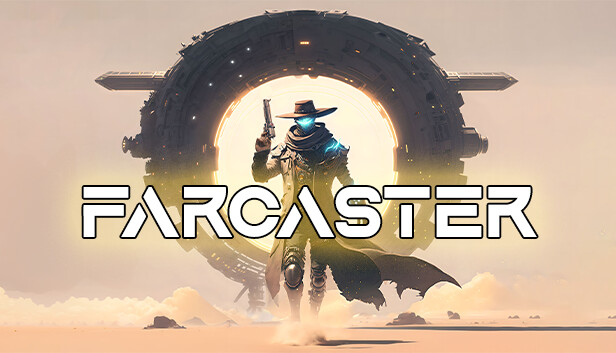
Frames allow for in-feed interactivity. Use them to mint assets, play games, or engage with dynamic content. This is the core differentiator from traditional social platforms, enabling a richer, more functional user experience.
3. Evaluate economic incentives and costs
Farcaster is not entirely free. New users must pay a $5 initiation fee to create an account, a mechanism designed to reduce bot spam and ensure some level of skin in the game. While this is a small barrier, it significantly impacts the quality of the community. Conversely, active users and developers can earn USDC through weekly rewards programs and airdrops, making it possible to potentially monetize engagement, though this should be viewed as a bonus rather than a primary income source.
A $5 fee is required to join, which helps filter out spam. In return, active users and developers can earn USDC through engagement rewards and potential airdrops, creating a unique incentive structure for long-term participants.
Checklist for getting started
-
Download a Farcaster client (Warpcast, Supercast, etc.)
-
Pay the $5 onboarding fee to create your account
-
Connect your social profiles to establish identity
-
Try interacting with at least one Frame to understand the format
-
Explore the "Frames" directory to find interactive content
Watchouts: Misleading Claims and Weak Options
The $1 billion valuation announced in January 2026 casts a long shadow over Farcaster’s current reality. While the protocol’s infrastructure now rests with Neynar, the gap between that ambitious figure and daily active user counts reveals a platform still searching for mass-market traction. Buyers of early hype should separate the protocol’s technical potential from its current market position.
Spam prevention remains Farcaster’s most visible friction point. The $5 initiation fee effectively blocks bots but creates a barrier for casual users who simply want to browse. This economic model prioritizes quality over quantity, a tradeoff that keeps the network clean but limits viral growth compared to free-to-join alternatives.
Developers often overestimate the ease of monetization. While weekly USDC payouts exist for high-engagement creators and builders, these rewards are highly concentrated. Most users will not see meaningful income, and the ecosystem is still maturing beyond simple frames and casts. Proceed with realistic expectations about reach and revenue.
Farcaster 2026: frequently asked: what to check next
Here are the practical answers to common questions about using Farcaster in 2026.
No comments yet. Be the first to share your thoughts!