
What is Farcaster in 2026?
Farcaster is a decentralized social protocol built on the Ethereum blockchain that prioritizes user ownership of data and identity. Unlike traditional platforms where corporations control your feed and profile, Farcaster allows users to hold their social graph on-chain, meaning you can move your followers and content between different applications seamlessly.
The landscape shifted significantly in January 2026 when infrastructure firm Neynar assumed control of the protocol's operations. This transition followed a period of uncertainty for the platform, which was originally founded in 2020 by Dan Romero and Varun Srinivasan. The change in leadership was accompanied by a reported valuation near $1 billion, though the company has since faced challenges as daily active users fluctuated and early founders stepped back from public visibility.
Today, Farcaster serves as a hub for crypto-native communities, AI agent interactions, and on-chain identity verification. It functions less like a traditional social media feed and more like a decentralized public square where developers build specialized clients and users curate their own experiences. The protocol’s structure encourages niche communities to form around specific interests, from governance discussions to developer updates, without the algorithmic interference common on centralized networks.
Farcaster 2026 choices that change the plan
Use this section to make the Farcaster decision easier to compare in real life, not just on paper. Start with the reader's actual constraint, then separate must-have requirements from details that are merely nice to have. A practical choice should survive normal use, maintenance, timing, and budget. If a recommendation only works in an ideal situation, call that out plainly and give the reader a fallback path.
| Factor | What to check | Why it matters |
|---|---|---|
| Fit | Match the option to the primary use case. | A good deal still fails if it does not fit the job. |
| Condition | Verify age, wear, and service history. | Hidden condition issues erase upfront savings. |
| Cost | Compare purchase price with likely upkeep. | The cheapest option is not always the lowest-cost option. |
Choose the next step
Farcaster sits at a unique intersection where decentralized social networking meets on-chain identity. The platform’s transition under new ownership and its integration of AI agents have shifted the focus from pure social interaction to building verifiable digital identities. For users and developers, the decision to engage now hinges on understanding the practical mechanics of on-chain reputation and the emerging role of autonomous agents.
This section outlines the critical steps to evaluate whether Farcaster aligns with your goals for identity management and social engagement in 2026.

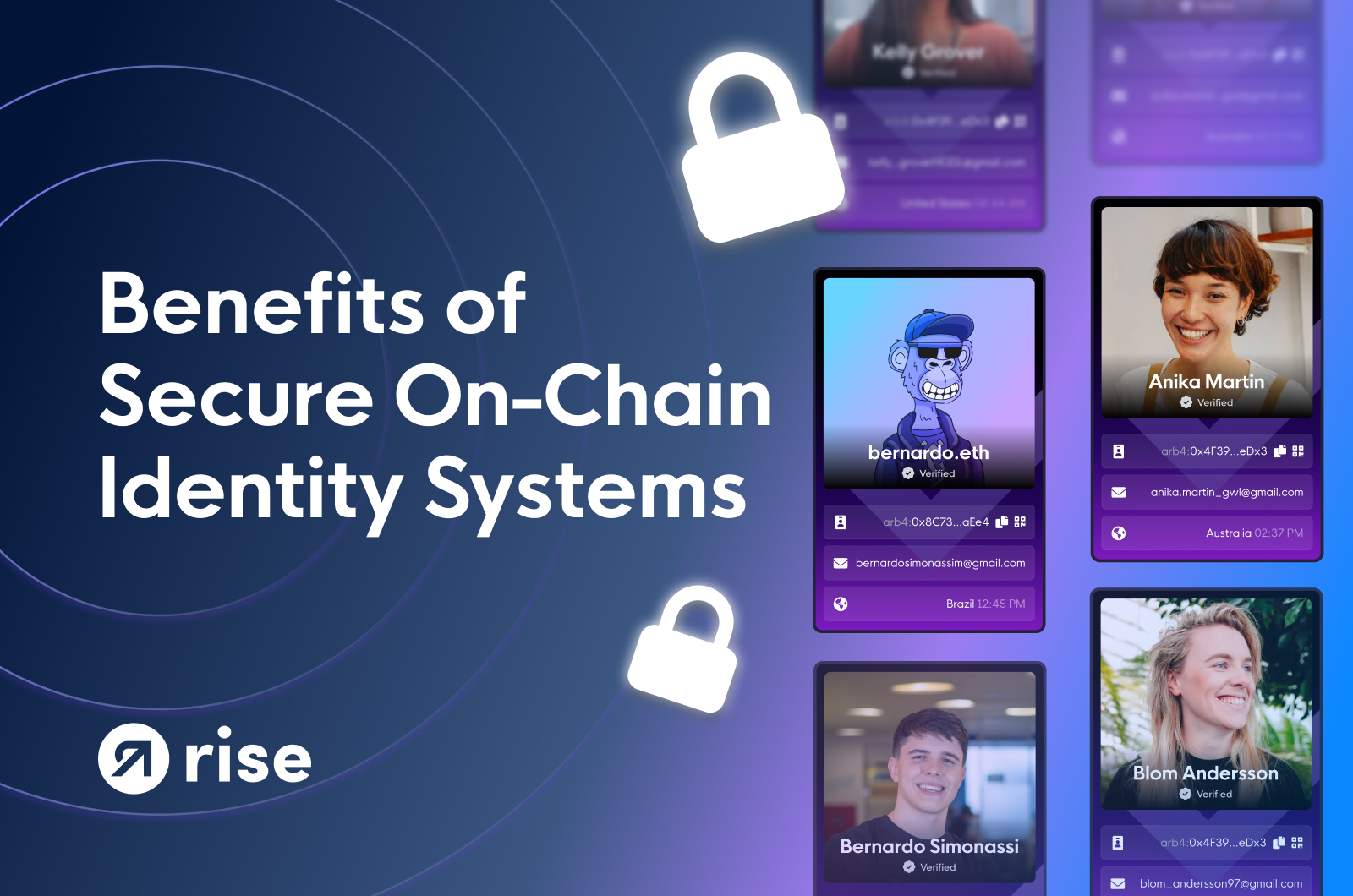
Start by anchoring your social presence to a verifiable on-chain identity. Unlike traditional platforms, Farcaster uses Ethereum-based accounts (ENS names) and on-chain frames to establish trust. This step is essential for participating in the ecosystem’s reputation systems, which are increasingly used to filter spam and validate user contributions.

Evaluate how AI agents are being used within your specific use case. Agents on Farcaster can automate interactions, curate content, or manage community engagement. Determine if these tools enhance your workflow or if they introduce noise. The platform’s open protocol allows for diverse agent applications, from simple bots to complex autonomous entities.

Understand the economic model. Farcaster requires a small initiation fee to prevent spam, currently set at $5 in USDC. This fee is not a subscription but a one-time deposit that can often be recovered. Consider whether this minimal barrier aligns with your long-term engagement strategy and if the potential for USDC rewards justifies the initial outlay.
For developers, the platform offers a robust API and a growing ecosystem of frames. Building on Farcaster means creating interactive experiences that live directly within social feeds. Assess the technical complexity and the potential for monetization through user engagement or data utility before committing resources to development.
KeyTakeaways items=["Verify your on-chain identity to build trust and reputation.", "Assess AI agent integration for workflow enhancement.", "Understand the $5 initiation fee and potential USDC rewards.", "Explore developer opportunities for building interactive frames."]
Spotting the Weak Spots in Farcaster's 2026 Narrative
As Farcaster’s valuation hovers near $1 billion, the gap between marketing hype and operational reality has widened. The transition to new ownership by Neynar in early 2026 introduced structural shifts that many users still misunderstand. Below are the most common misleading claims and practical tradeoffs you should watch for.
The "Billion-Dollar" Valuation Myth
Recent reports claim a $1 billion valuation, but this figure is shrouded in secrecy and lacks transparent backing. Daily active users (DAU) have not kept pace with these financial projections, suggesting the valuation is driven more by speculative funding than organic growth. Treat these numbers as potential targets, not current realities.
Ownership Transition Confusion
Many assume Farcaster remains independent, but infrastructure firm Neynar now handles protocol operations. This shift means technical decisions and governance may prioritize infrastructure stability over open community control. Users should verify which features are community-driven versus Neynar-managed before relying on them for critical communication.
The $5 Fee Misconception
The $5 initiation fee is often cited as a simple entry cost, but it serves a specific anti-spam function. This fee limits how many accounts a single user can create, reducing bot activity. It is not a subscription or a revenue stream for the platform; it is a security deposit. Expect occasional refunds or waivers for legitimate developer accounts.
Making Money vs. Sustainable Engagement
Weekly USDC payouts incentivize engagement, but they do not guarantee income. These rewards favor early adopters and high-volume posters, often at the expense of quality. New users should view these payouts as temporary bonuses, not a reliable revenue model. Long-term value comes from building authentic connections, not chasing token rewards.
Farcaster 2026: what to check next
What is Farcaster used for?
Farcaster is a decentralized social protocol that powers clients like Warpcast. It functions similarly to Twitter or Threads, allowing users to post updates, follow others, and engage with content. Unlike traditional platforms, your data lives on the blockchain, giving you true ownership of your social graph and identity.
Does Farcaster cost money?
Yes, creating an account requires a small fee. New users must contribute a $5 initiation amount to prevent spam and bot activity. This fee is paid in cryptocurrency and is often refundable if you maintain your account in good standing. There are no monthly subscription costs to use the protocol itself.
Who is behind Farcaster?
The protocol was founded in 2020 by Dan Romero and Varun Srinivasan. In January 2026, ownership transferred to Neynar, a long-time infrastructure provider for the network. This shift moved operations from the original founders to a dedicated infrastructure firm, aiming to stabilize the platform's growth.
Can you make money on Farcaster?
Users can earn rewards through engagement and development. Farcaster incentivizes activity by distributing weekly USDC payouts to users who drive meaningful interaction. Additionally, builders can create applications and tools on the protocol to generate recurring revenue, supported by a network designed for developer growth.
No comments yet. Be the first to share your thoughts!