
Farcaster 2026 budget
Farcaster is a decentralized social protocol, not a product you buy off the shelf. The "budget" here refers to the operational costs of maintaining your on-chain identity and the tools you use to interact with the network. In 2026, the landscape has shifted under new ownership, but the core economic model remains simple: you pay for storage, and you choose your interface.
The baseline cost to exist on Farcaster is the storage fee. You must rent "units" of storage on the Optimism network to keep your profile and posts alive. This fee is paid in ETH and currently sits around $7 USD per unit per year. If you are just starting out, this is your only mandatory expense. You can manage this directly through the Farcaster docs or via your wallet interface, ensuring you never lose your digital identity due to an expired subscription.
Beyond the protocol fee, you will likely spend money on client applications. While Warpcast remains the most popular free client, many power users prefer third-party apps that offer advanced features like AI agent integration or custom feeds. These apps may charge monthly subscriptions or require you to hold specific tokens. For example, some clients offer "pro" tiers for enhanced analytics or priority support, which can range from $5 to $15 a month depending on the feature set.
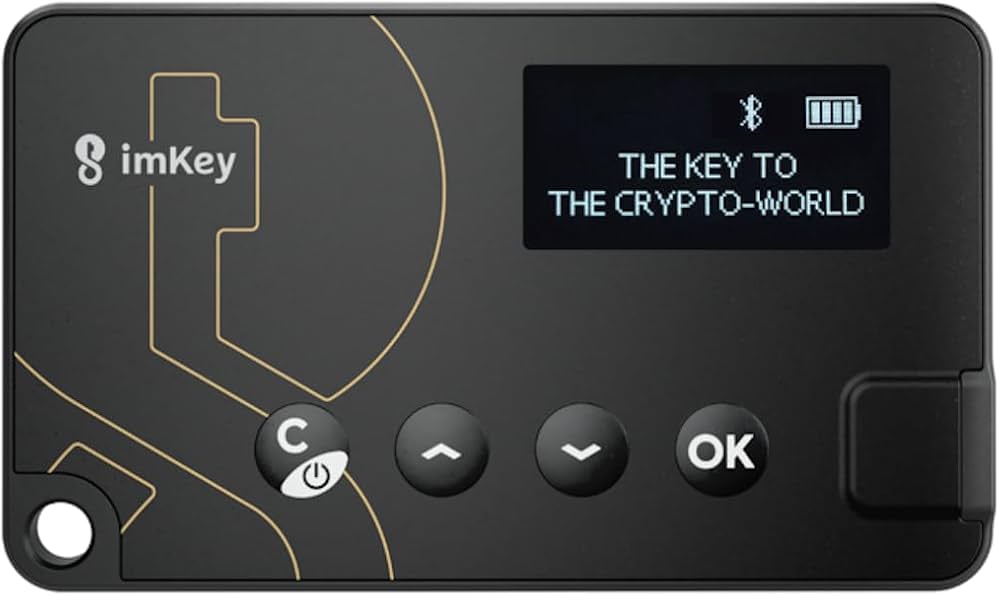
If you are looking for hardware to secure your identity, you might consider a hardware wallet like a Ledger or Trezor. These devices keep your private keys offline, adding a layer of security that software wallets alone cannot provide. While not required, they are a wise investment for anyone serious about their on-chain presence. The cost typically ranges from $50 to $150, a small price for peace of mind in a decentralized ecosystem.


![$10 Xbox Gift Card [Digital Code]](https://m.media-amazon.com/images/I/61K+OVB92LL._AC_UL960_QL65_.jpg)
As an Amazon Associate, we may earn from qualifying purchases.
The total cost of entry is low, but the value of your identity is high. Treat your storage fee as a non-negotiable utility bill, and view spending on clients and hardware as investments in your digital safety and experience.
Compare the Best Farcaster Alternatives in 2026
Farcaster is no longer the only decentralized option on the table. With on-chain identity becoming the standard for social verification, several platforms now offer different approaches to ownership, moderation, and user experience. Choosing the right protocol depends on whether you prioritize censorship resistance, ease of use, or specific feature sets like AI agent integration.
The following comparison highlights the strongest alternatives to Farcaster in 2026. These platforms represent the most active competitors in the decentralized social landscape, each with distinct technical foundations and community models.
Farcaster: The Builder’s Choice
Farcaster remains the most robust option for developers and power users. Its architecture on Optimism allows for cheap, fast transactions, while its client-side moderation model gives users granular control over what they see. The recent transition to Neynar has stabilized infrastructure, making it the preferred choice for those building AI agents or complex social applications.
Bluesky: The Familiar Experience
Bluesky uses the AT Protocol to offer a Twitter-like experience without the centralized ad-driven model. Its custom handle system allows for easy portability, and its decentralized moderation lets users curate their own feeds. It is ideal for users who want decentralization but prefer a more traditional social media interface.
Lens Protocol: The Creator’s Network
Lens Protocol leverages Polygon zkEVM to provide a highly customizable social graph. Users own their profiles as NFTs, which can be integrated into other Web3 applications. Its DAO-governed moderation and strong focus on creator monetization make it a top choice for influencers and digital artists.
Friend.tech: The Speculative Platform
Friend.tech, built on Base, offers a unique model based on wallet-based access and creator-controlled monetization. Users can buy and sell keys to access private content from creators. While less focused on long-term social graph ownership, it remains a significant player for those interested in speculative social trading.
Inspect the expensive parts
Before you commit to a Farcaster client or build your own infrastructure, treat your setup like a high-stakes vehicle purchase. You are looking for the expensive failure points: custody, storage, and reputation. A broken key or an expired storage unit doesn't just cause a glitch; it can permanently lock you out of your digital identity or erase your social graph.
Here is the practical checklist for inspecting the most critical components of your Farcaster stack.
Check if the client supports social recovery or hardware wallet integration. Most users rely on a single seed phrase. If the app doesn't allow you to back up your key securely or recover it through trusted contacts, you are one lost device away from total account loss. Look for explicit support for Gnosis Safe or similar multi-sig structures if you hold significant on-chain reputation.
Farcaster requires annual storage payments in ETH via the Storage Registry. If this fee lapses, your cast history becomes inaccessible. Inspect the client's auto-renewal features. Does it send timely reminders? Can it handle the ETH price oracle fluctuations? A silent failure here means losing your entire social history, which is harder to recover than a lost password.
As AI agents become central to Farcaster, inspect how the client handles delegated permissions. Can you revoke an agent's access instantly? Does the interface clearly show which bots are posting on your behalf? Poor permission management allows rogue agents to spam your timeline or post malicious content, damaging your reputation irreparably.
Ensure your chosen client can export your data and migrate to others if needed. Proprietary locks are rare in open protocols, but data formats vary. Test if you can seamlessly switch from Warpcast to another client without losing your frames, casts, or follower lists. This flexibility is your insurance policy against platform-specific bugs or policy changes.
Look for published security audits of the client's codebase. Since Farcaster is built on Optimism, ensure the client properly handles Layer 2 transaction finality. Check if the app uses secure enclaves for key storage on mobile devices. These technical details prevent silent data corruption and unauthorized access attempts.


As an Amazon Associate, we may earn from qualifying purchases.
The real cost of owning your identity
Farcaster is free to join, but keeping your account alive requires a small annual fee. This is not a subscription for premium features; it is a rent payment for storage on the blockchain. If you stop paying, your profile, messages, and history disappear. The fee is set by the Storage Registry and currently costs about $7 USD per unit per year, paid in ETH. This model ensures the network remains decentralized without relying on central servers to host your data.
The price fluctuates with the cost of ETH, so your actual spend may vary slightly depending on the market. Most users only need one unit of storage, which covers a standard profile and a reasonable amount of posts. However, if you plan to store heavy media or run a high-traffic bot, you may need additional units, which increases the annual cost. This is a transparent cost that you can check directly in the docs before committing.
Beyond the storage fee, you should budget for a hardware wallet. While you can use a custodial wallet to sign in, losing your seed phrase means losing your Farcaster ID forever. A dedicated device like a Ledger or Trezor is the standard way to protect your digital identity. This one-time hardware investment is far cheaper than trying to recover a lost account or build a new reputation from scratch.


![Anker Cable [5 Pack, 6FT], USB A to USB C Cable for iPhone 17 Series,Samsung Galaxy S10 S10+, LG V30, Beats Fit Pro and More (Black)](https://m.media-amazon.com/images/I/81B6QXA5xBL._AC_UY654_QL65_.jpg)
As an Amazon Associate, we may earn from qualifying purchases.
Farcaster 2026: what to check next
Before you migrate your social graph to the blockchain, it helps to understand the practical tradeoffs of on-chain identity. Farcaster operates differently than traditional platforms, requiring a shift in how you manage accounts, costs, and security.
No comments yet. Be the first to share your thoughts!