
Farcaster 2026 trends
Farcaster is evolving from a niche developer tool into a scalable public utility, driven by the integration of AI-driven moderation and Decentralized Physical Infrastructure Networks (DePIN). This shift forces users and builders to reconsider how identity, content safety, and network reliability intersect in a decentralized social landscape.
At its core, Farcaster remains an open protocol built on Ethereum. It does not operate as a traditional centralized app but as a foundation for decentralized applications (dApps). Users hold their own keys and data, allowing for true interoperability across the social graph. This architectural choice means that growth is not dictated by a single company’s roadmap, but by the collective adoption of clients and hubs.
The 2026 update introduces critical changes to how content is managed. AI moderation tools are now embedded at the client level, allowing users to filter noise without sacrificing censorship resistance. Simultaneously, DePIN integrations aim to reduce the cost of running nodes, making the network more resilient against infrastructure bottlenecks. These two forces—smarter filtering and cheaper infrastructure—are reshaping user growth patterns.
While early adoption was driven by crypto natives, the current trend points toward broader mainstream utility. The challenge lies in balancing these new features with the protocol’s original ethos of simplicity. As the user base expands beyond early adopters, the tradeoff between ease of use and decentralization becomes the central debate for the platform’s future.
Farcaster 2026 trends choices that change the plan
Use this section to make the Warpcast's Update decision easier to compare in real life, not just on paper. Start with the reader's actual constraint, then separate must-have requirements from details that are merely nice to have. A practical choice should survive normal use, maintenance, timing, and budget. If a recommendation only works in an ideal situation, call that out plainly and give the reader a fallback path.
| Factor | What to check | Why it matters |
|---|---|---|
| Fit | Match the option to the primary use case. | A good deal still fails if it does not fit the job. |
| Condition | Verify age, wear, and service history. | Hidden condition issues erase upfront savings. |
| Cost | Compare purchase price with likely upkeep. | The cheapest option is not always the lowest-cost option. |
How to Choose the Right Farcaster Client
The 2026 update introduces AI moderation and DePIN integrations, making client selection more critical than ever. Your choice determines how you interact with the protocol, from content filtering to network performance. Rather than defaulting to the most popular option, evaluate clients based on your specific needs for security, speed, and customization.
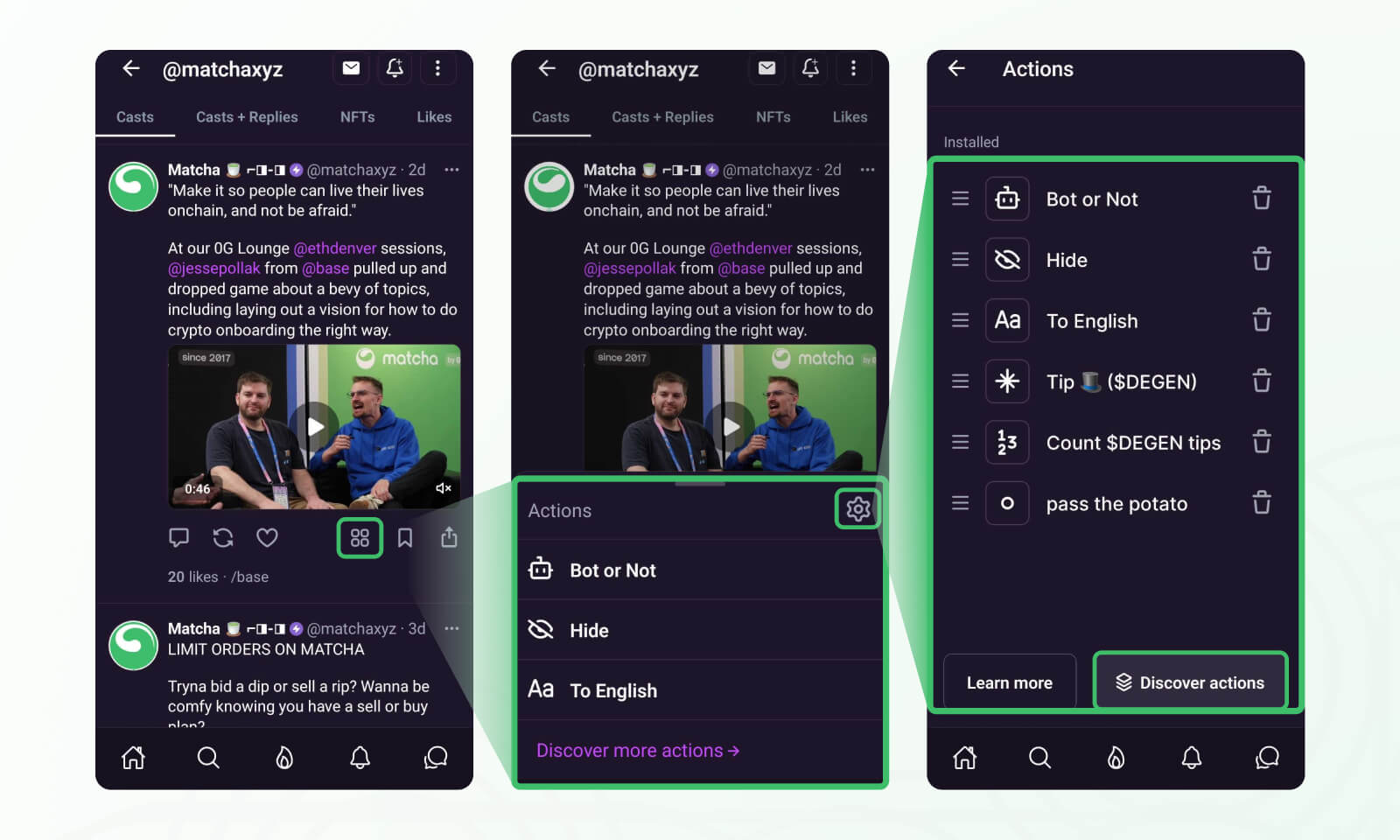
With new AI features, moderation flexibility is key. Check if the client allows granular control over AI-generated content filters. Some clients may apply strict default filters, while others offer customizable thresholds for spam and harmful content detection.
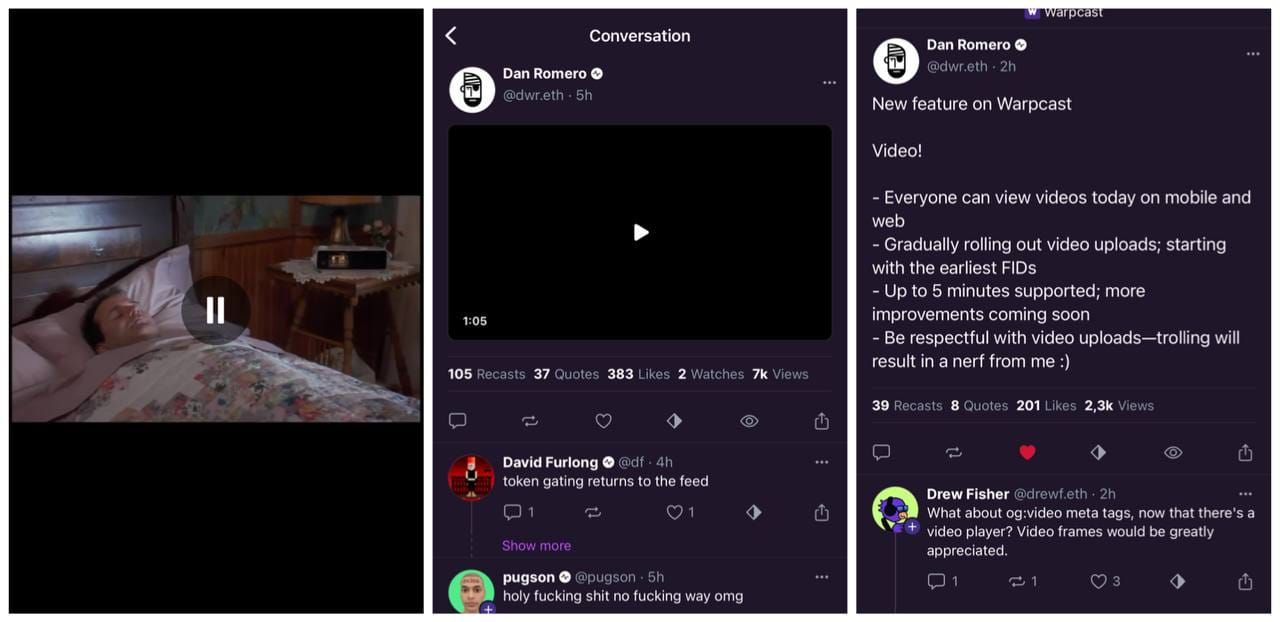
DePIN (Decentralized Physical Infrastructure Networks) support varies by client. Look for clients that seamlessly integrate with hardware wallets and local storage solutions. This ensures better privacy and reduces reliance on centralized servers for data retrieval.
Since Farcaster is built on Ethereum, client compatibility with EVM chains is essential. Ensure the client supports smooth interactions with other blockchain networks. This interoperability is crucial for developers building dApps on top of the Farcaster protocol.
Performance matters as the user base grows. Test the client’s load times and UI responsiveness. A cluttered interface can hinder productivity, especially when managing multiple casts and frames. Choose a client that balances feature richness with simplicity.
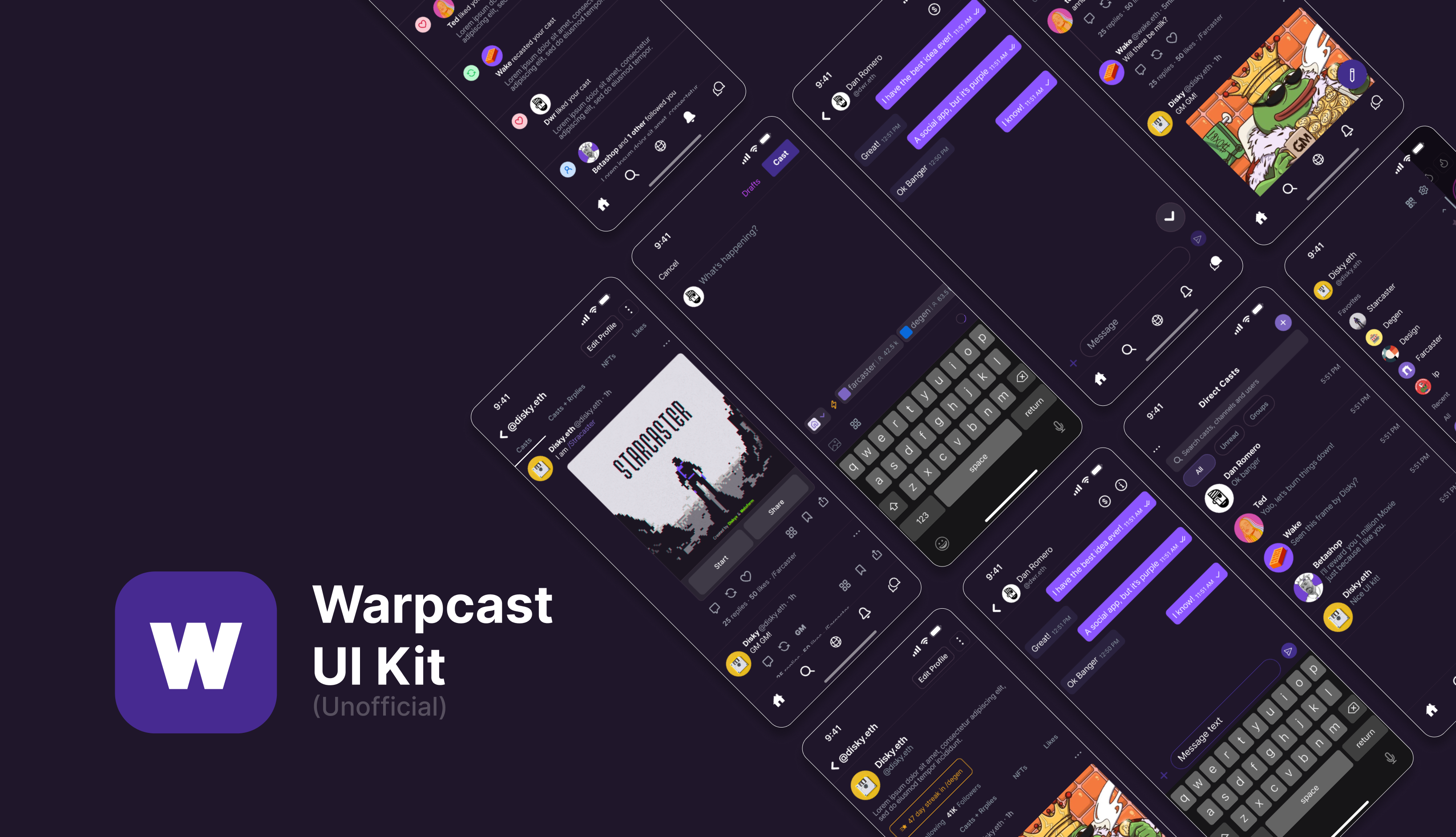
Active development and community support are vital for long-term usability. Check the client’s GitHub activity and Discord channels. Clients with active contributors are more likely to quickly adapt to protocol updates and fix bugs.
Spotting the Hype
Warpcast’s 2026 update promises AI moderation and DePIN integrations, but the narrative often outpaces the technical reality. While the protocol runs on Ethereum, allowing for robust interoperability between social applications, the core infrastructure remains complex. Users should verify that new features actually improve latency and data sovereignty rather than just adding marketing buzz.
Common Pitfalls
Many guides claim Farcaster is a simple dapp, but it is a protocol that enables them. This distinction matters for developers and power users. Another weak option is assuming user growth metrics are static; registered users hit over 546,000 in 2024, but engagement varies wildly by client. Be cautious of sources citing outdated stats or vague "billion-dollar dreams" without concrete roadmap evidence.
Practical Checks
Before integrating, check the official Warpcast documentation for API rate limits and DePIN node requirements. Avoid clients that obscure data ownership. Focus on tools that provide clear export options and transparent moderation logs. If a feature feels like a gimmick, it probably is. Stick to the core protocol benefits: identity portability and open social graphs.
Farcaster 2026 trends: what to check next
Before committing to the 2026 updates, it helps to understand the underlying mechanics of the protocol. Farcaster is built on the Ethereum blockchain, which anchors user identity and data. This foundation allows for the creation of public social profiles and communities that remain portable across different applications, distinguishing it from traditional walled-garden social media.
The platform has seen significant growth in active engagement. While early user counts were modest, the network welcomed approximately 140,000 new registered users in 2023. By 2024, that base expanded further, with registered user counts reaching roughly 546,494. This trajectory signals a maturing ecosystem as the protocol integrates new moderation and DePIN features.
Users often ask if Farcaster functions as a decentralized application. Technically, it is more accurate to view it as a protocol that enables other dApps. Its focus on interoperability allows developers to build various social media applications on top of the Farcaster protocol, facilitating a fluid exchange of information and assets across different platforms without being locked into a single interface.
For those interested in the organizational structure, Farcaster is an acquired company based in Los Angeles. Founded in 2020 by Dan Romero and Varun Srinivasan, the team has navigated several ownership changes in 2026. These shifts reflect the broader maturation of the decentralized social sector, moving from experimental startups to established infrastructure providers.
No comments yet. Be the first to share your thoughts!