
Farcaster growth 2026 market overview
The decentralized social landscape in 2026 is defined by a single, resilient protocol: Farcaster. While the broader crypto social sector has seen many projects fade after their initial hype cycles, Farcaster has maintained a steady, organic expansion. This persistence is not accidental; it stems from a design that prioritizes user ownership and censorship resistance over centralized algorithmic control. As we move deeper into 2026, the distinction between "trying out" decentralized social and actively living on it has blurred, creating a more mature, albeit niche, ecosystem.
Valuation metrics suggest a market that has moved past the speculative frenzy of earlier years. Reports from early 2026 indicate that Farcaster's valuation hovers near the $1 billion mark, a figure that reflects a more grounded, sustainable growth trajectory rather than the inflated expectations of previous bull markets. This stability is crucial for developers and users alike, as it signals long-term commitment from founders and investors who are no longer chasing quick exits. The focus has shifted from raw user acquisition numbers to meaningful engagement and retention.
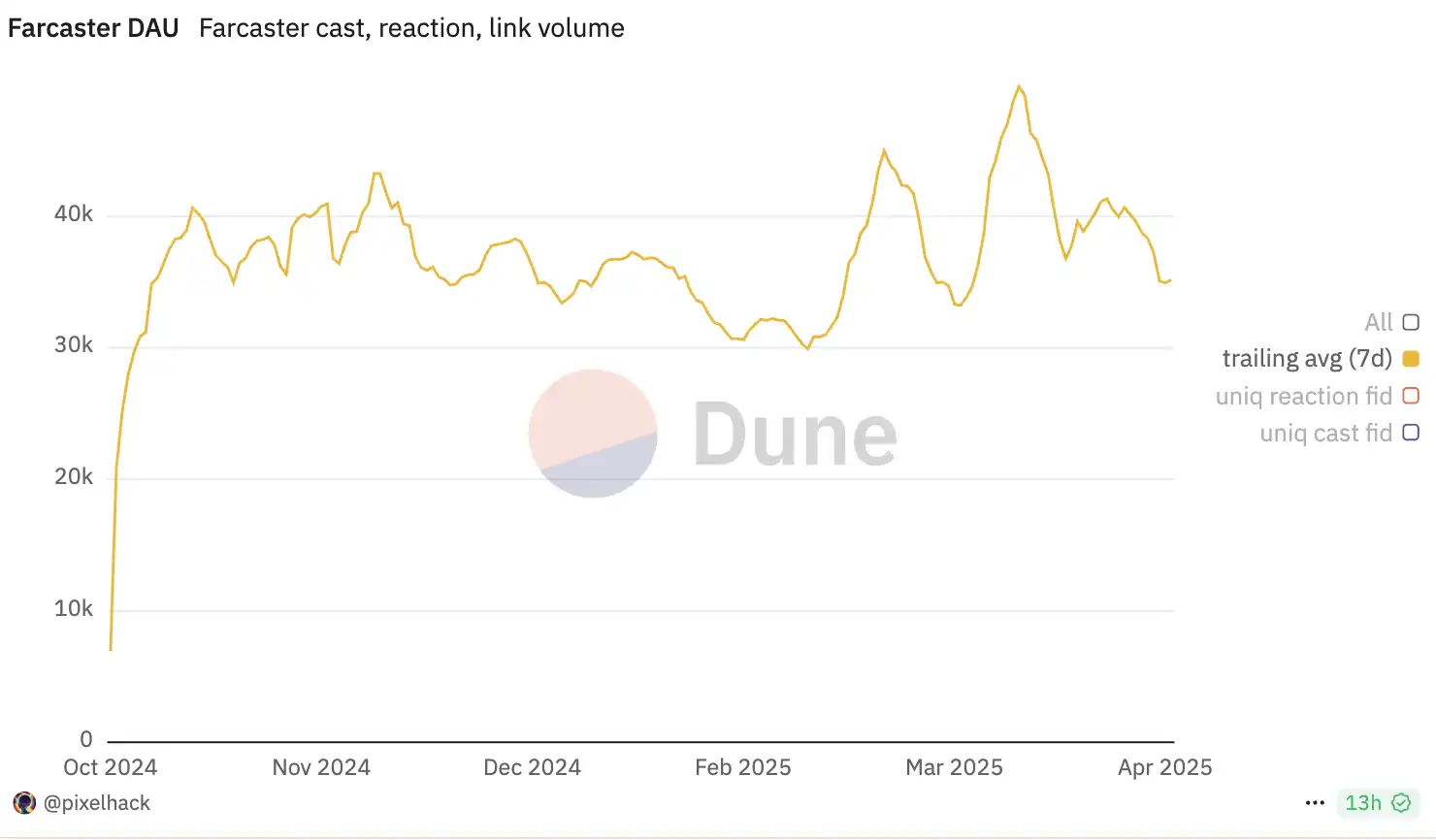
Daily active users (DAU) continue to climb, driven by a network effect that rewards genuine interaction. Unlike traditional social platforms where engagement is often manipulated by opaque algorithms, Farcaster’s growth is fueled by its clients and the tools built on top of the protocol. The user base is smaller than that of Web2 giants, but it is significantly more engaged and loyal. This concentration of high-intent users makes the platform particularly attractive for creators, developers, and brands looking to build direct relationships with their audience.
The choice of client remains the primary gateway to this ecosystem. With Warpcast leading the charge in mainstream adoption, other clients like Yasswag and Supercast are carving out specialized niches. This fragmentation is not a weakness but a feature, allowing users to tailor their experience to their specific needs. Whether you prefer a minimalist text-focused interface or a rich media experience, the underlying protocol ensures that your identity and content remain portable. This flexibility is what sustains Farcaster's growth, ensuring that no single point of failure can derail the network.
As we look at the tools available for managing your Farcaster presence, it is important to remember that the protocol itself is just the foundation. The real value lies in the applications that bring it to life. From analytics dashboards to automated posting tools, the ecosystem is expanding to support the needs of a growing user base. Understanding this landscape is the first step in leveraging Farcaster for personal or professional growth in 2026.
Warpcast remains the dominant client
Warpcast has solidified its position as the primary entry point for new users, effectively serving as the default gateway to the Farcaster protocol. Its intuitive interface lowers the barrier to entry, allowing newcomers to navigate decentralized social networking without needing to understand the underlying technical infrastructure. This user-centric design is a major driver behind the platform's Farcaster growth 2026 metrics, as it converts casual observers into active participants.
The client’s recent updates have focused on streamlining the posting experience and integrating seamless wallet connections. By removing friction points like complex key management for everyday interactions, Warpcast has made the protocol feel comparable to mainstream social apps. This approach aligns with the broader strategy of leading with a useful tool and adding social layers on top, a shift that has helped Farcaster find its product fit after years of development.
As the network expands, Warpcast continues to prioritize features that encourage retention, such as improved discovery tools and enhanced profile customization. These updates not only keep existing users engaged but also attract developers building on the protocol, creating a virtuous cycle of growth. The platform’s dominance is not just about volume; it is about establishing a sustainable, user-friendly foundation for the future of decentralized social media.
Best alternative Farcaster clients
While Warpcast dominates the mainstream, Farcaster growth 2026 is fueled by a diverse ecosystem of third-party clients. These alternatives offer distinct interfaces, specialized features, and different approaches to social interaction that Warpcast does not prioritize. Choosing the right client depends on whether you value minimalism, creative expression, or specialized community tools.
The protocol’s open nature allows developers to build unique experiences. Some clients focus on clean, text-first reading, while others integrate gamification or advanced identity verification. Below, we compare the most notable third-party options currently shaping the decentralized social landscape.
| Client | Primary Focus | Unique Feature | Best For |
|---|---|---|---|
| Supercast | Minimalist Reading | Clean, distraction-free interface | Power users who prioritize content over noise |
| Yup | Identity & Social Graph | Integrated on-chain identity and permissions | Users building verified social reputations |
| Farcaster Clients (General) | Protocol Diversity | Wide range of UI/UX experiments | Developers and early adopters testing new paradigms |
Essential Farcaster hardware and tools
Running a Farcaster node or managing your identity at scale requires specific hardware and software configurations. As the protocol matures into 2026, the infrastructure needs have shifted from simple mobile app usage to more robust desktop and server-side setups for serious participants.
Hardware for Node Operators
If you are running a Farcaster hub, reliable hardware is non-negotiable. You need consistent uptime and sufficient storage for the growing data graph. Standard consumer-grade drives often fail under the write load of a full history sync. Look for hardware with NVMe SSDs and at least 16GB of RAM to handle the database queries efficiently.
Software and Management Tools
Beyond raw hardware, effective management software streamlines the Farcaster experience. Tools like Warpcast for mobile engagement and desktop clients like Supercast or Yup enhance your ability to interact with the network. For node operators, monitoring dashboards like Grafana paired with Prometheus provide critical visibility into hub health and sync status.
Recommended Gear
The right tools make the difference between a smooth experience and constant debugging. Below are concrete hardware and software recommendations that support Farcaster growth and stability.


As an Amazon Associate, we may earn from qualifying purchases.
Protocol upgrades and costs
The infrastructure running Farcaster is facing a steep climb in 2026. As the network adopts protocol upgrades to handle more data, the cost to operate a single hub is projected to surge dramatically. Early estimates suggested annual hub costs might reach $575,000 in 2026, a figure that raises serious questions about who can afford to keep the lights on.
This financial pressure is the central paradox of Farcaster growth 2026. While the protocol becomes more powerful, the barrier to entry for infrastructure providers rises. If hub costs outpace user adoption, the network could face a sustainability bottleneck, limiting its ability to scale beyond its current core community.
For now, the focus remains on whether the value generated by these upgrades justifies the expense. If the user experience doesn’t improve proportionally to the cost, the model may struggle to attract the next wave of decentralized social adopters.
Frequently asked questions about Farcaster
How much does it cost to join Farcaster?
Getting started on Farcaster requires a small daily fee paid in cryptocurrency, typically ranging from $5 to $10 per month depending on the client. This "proof of human" fee covers the storage costs on the underlying blockchain (Optimism) and helps prevent spam. Services like Warpcast handle this billing automatically, so you only need to pay once to maintain your account across different apps.
Which client should I use: Warpcast or others?
Warpcast is the most popular Farcaster client for beginners due to its polished interface and built-in discovery features. However, Farcaster is a protocol, meaning your identity travels with you. If you prefer a minimalist experience or specific niche communities, clients like Supercast or Yup offer different interfaces without forcing you to create a new account.
Is Farcaster really decentralized?
Yes. Unlike traditional social media, your account is stored on a blockchain, giving you full ownership of your data. You can switch clients at any time without losing your followers or history. While Warpcast is the dominant gateway, the network itself remains censorship-resistant, with growth trends showing steady adoption across various independent apps.
No comments yet. Be the first to share your thoughts!