
Get farcaster frames 2026 right
Use this section to make the Farcaster decision easier to compare in real life, not just on paper. Start with the reader's actual constraint, then separate must-have requirements from details that are merely nice to have. A practical choice should survive normal use, maintenance, timing, and budget. If a recommendation only works in an ideal situation, call that out plainly and give the reader a fallback path.
The simplest way to use this section is to write down the must-have criteria first, then compare each option against those criteria before weighing nice-to-have features.
Build your first Farcaster frame
Farcaster frames turn static posts into interactive mini-apps. Instead of just reading text, users can mint, vote, or play directly inside their feed. This shifts social media from passive scrolling to active participation.
Follow these steps to build a basic frame that responds to user clicks. You will need a web server, a domain, and a Farcaster account.
Start by installing Node.js and creating a new project folder. Initialize a simple HTTP server using Express or Next.js. You need a public URL that HTTPS endpoints can reach. Frames require a secure connection to verify signatures and serve content reliably.

Create a JSON file that describes your app's behavior. This includes the frame version, buttons, and input fields. The metadata tells the Farcaster client how to render the interface. Be specific about button labels and what action each one triggers. This is the blueprint for your user interface.
When a user clicks a button, Farcaster sends a request to your server. You must write code to process this request. Update your internal state, mint an NFT, or record a vote. Then, return the updated frame JSON. This loop creates the interactive experience that keeps users engaged.
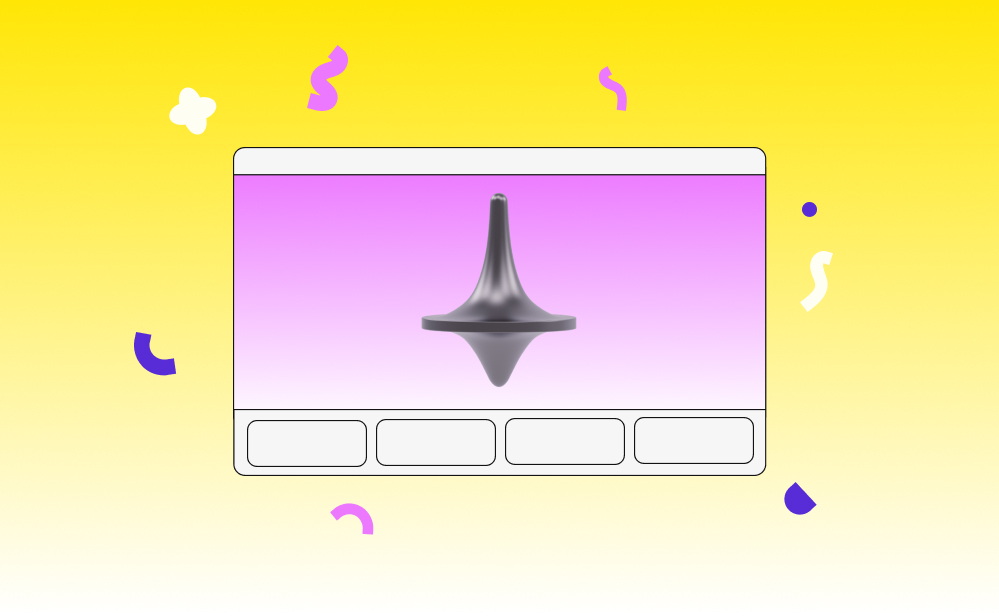
Before going live, test your frame in a local environment. Use tools like the Warpcast developer console or a local emulator. Check if buttons respond correctly and if the state updates as expected. Debugging locally saves time and prevents broken interactions from reaching your audience.
Push your code to a hosting provider like Vercel or AWS. Ensure your domain is configured correctly. Use the Farcaster frame validator to check your metadata. Once validated, share your frame URL. Users can now interact with your app directly from their feed.
After building, verify that your frame works across different clients. Test on both mobile and desktop views. Check that images load quickly and buttons are accessible. A smooth experience encourages users to return and share your creation.
Common Farcaster Frame Mistakes
Even with robust tooling, building a functional Frame is fraught with pitfalls that can break engagement or prevent indexing entirely. These errors usually stem from misunderstanding how Frames interact with the Farcaster protocol and client apps like Warpcast.
Skipping the Frame Metadata Headers
The most frequent failure point is omitting the required HTTP headers. A Frame is not just an OG image; it is an interactive application embedded in a post. If your server does not return fc:frame and fc:frame:image headers in the HTML response, clients will not recognize it as a Frame. They will simply render the image as a static attachment.
Ensure your backend explicitly sets these headers for every request. Without them, your interactive elements—buttons, inputs, and state updates—will never load.
Ignoring the Frame Schema Version
Developers often forget to declare the fc:frame:version header. While early Frames might have worked without it, the ecosystem has standardized on version "next". If you omit this header or use an outdated version string, some clients may reject the Frame or render it with limited functionality. Always include fc:frame:version: next to ensure compatibility with the latest client updates.
Mismanaging State and Postbacks
Frames are stateless by default. Every interaction triggers a postback to your server, which must then return a new Frame state. A common mistake is assuming the previous state persists automatically. If your postback handler does not correctly update the fc:frame:state header, user inputs (like text fields or button clicks) will reset or behave unpredictably.
Test your postback endpoints thoroughly. Ensure they return a complete, valid Frame response with all necessary headers, not just a partial update.
Overlooking Image Size and Aspect Ratio
While not a code error, ignoring image constraints can ruin the user experience. Frames must have a primary image that fits within specific aspect ratios (typically 1.91:1). If your image is too large, too small, or the wrong shape, clients may crop it awkwardly or fail to display it correctly. Use standard web image optimization techniques to ensure your assets load quickly and display properly across different devices.
Farcaster frames 2026: what to check next
Frames have shifted from experimental widgets to the core way users interact on Farcaster. As 2026 progresses, the line between a "post" and an "app" has blurred, with many creators treating Frames as their primary engagement layer. Here are the most common practical questions about building and using them.
No comments yet. Be the first to share your thoughts!