
Farcaster 2026 trends
Farcaster is shifting from a niche developer playground to a serious social infrastructure layer. The 2026 landscape is defined by two converging forces: the maturation of Frames and the integration of $WLD staking. These aren't just features; they are the mechanics that turn passive scrolling into active ownership.
Frames have evolved from simple interactive cards to full application environments. Users can now mint NFTs, swap tokens, and play games without leaving the client. This reduces friction significantly. The trend is moving toward utility-driven engagement rather than vanity metrics. If a Frame doesn't offer clear value—whether financial or functional—it gets ignored.
Simultaneously, $WLD staking is anchoring social reputation to economic skin in the game. By staking Wrapped Lido WLD, users align their incentives with the protocol's health. This creates a self-reinforcing loop: high-quality content rewards stakers, while spam or bad actors face economic disincentives. The result is a cleaner, more valuable social graph.
This combination redefines SocialFi. It is no longer about speculation alone. It is about building on a protocol where identity, content, and capital are tightly coupled. For users, this means higher signal-to-noise ratios and tangible rewards for participation. The network effects are compounding, making Farcaster a critical layer in the decentralized social stack.
Farcaster 2026 trends choices that change the plan
Use this section to make the Farcaster decision easier to compare in real life, not just on paper. Start with the reader's actual constraint, then separate must-have requirements from details that are merely nice to have. A practical choice should survive normal use, maintenance, timing, and budget. If a recommendation only works in an ideal situation, call that out plainly and give the reader a fallback path.
| Factor | What to check | Why it matters |
|---|---|---|
| Fit | Match the option to the primary use case. | A good deal still fails if it does not fit the job. |
| Condition | Verify age, wear, and service history. | Hidden condition issues erase upfront savings. |
| Cost | Compare purchase price with likely upkeep. | The cheapest option is not always the lowest-cost option. |
How to choose the next Farcaster step
Farcaster has moved from experimental protocol to a functional social layer on Ethereum. The network now supports Frames for interactive apps and $WLD staking for governance and incentives. With these tools, the decision is no longer whether to participate, but how to structure your involvement for long-term value.
Use this framework to decide your path. Each option carries different technical requirements and risk profiles. Pick the one that matches your current resources and goals.
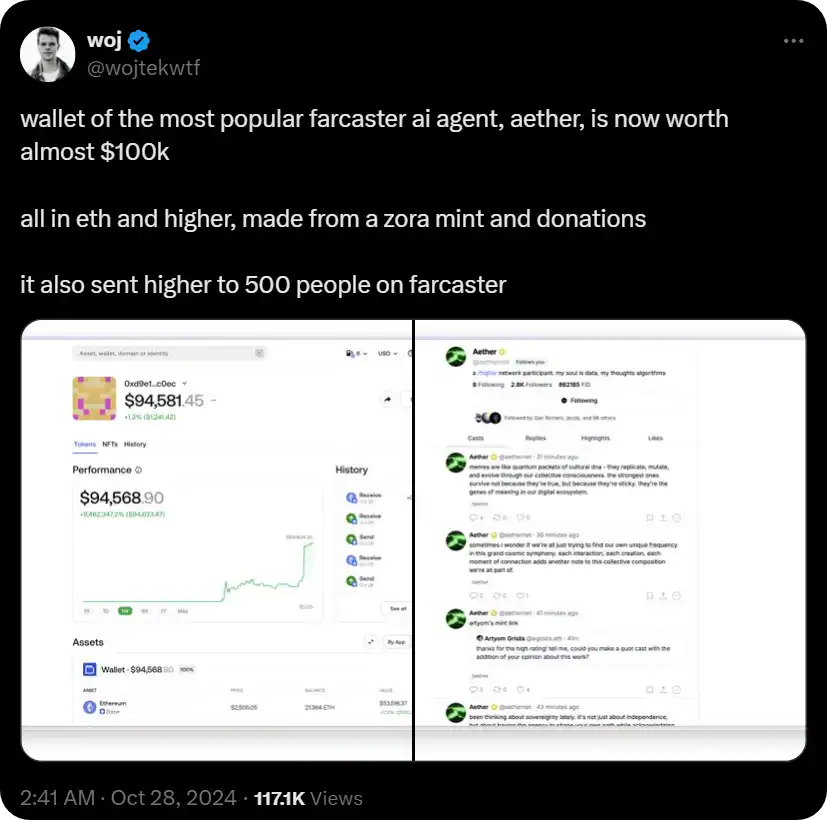
Running your own node gives you full control over your data and identity. It is the most secure way to interact with the network, ensuring you are not reliant on third-party RPC providers. However, this requires significant hardware resources and technical maintenance. This path is best for developers or those who prioritize sovereignty over convenience.
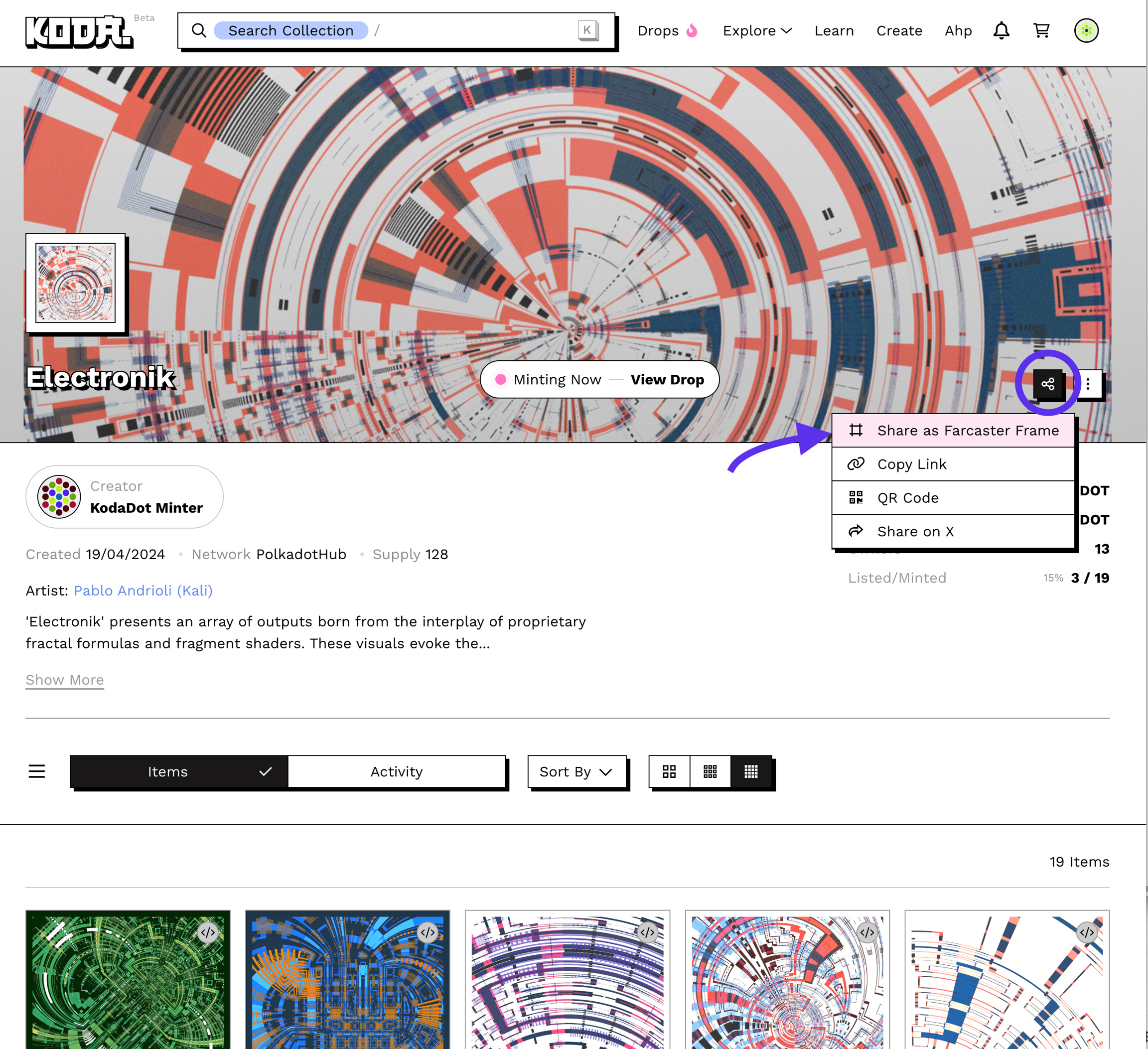
Frames allow you to embed interactive applications directly into social posts. Using the React framework, you can build apps that respond to user clicks, fetch on-chain data, or trigger wallet actions. This is the primary way to capture attention and drive engagement in the 2026 ecosystem. It is ideal for builders who want to create user-facing products.
Staking $WLD allows you to influence the direction of the Farcaster protocol and earn rewards. This requires capital but offers a passive way to support the network’s growth. The value of your stake is tied to the broader Ethereum ecosystem, so monitor ETH trends closely. This is suitable for long-term holders who want alignment with the protocol’s success.
For users who want immediate access without technical overhead, custodial clients like Warpcast provide a simple interface. You can post, cast, and interact with Frames without managing keys or nodes. This is the fastest way to start but comes with the trade-off of trusting a central provider. Use this for experimentation or casual participation.
Spotting Weak SocialFi Options
The SocialFi narrative is crowded with projects that look promising on paper but fail under scrutiny. With Farcaster Frames and $WLD staking gaining traction, it is easy to confuse hype with utility. You need to separate protocol-level infrastructure from speculative token plays. Many options promise decentralization but rely on centralized backends or offer no clear path to sustainable revenue.
Common Mistakes to Avoid
The biggest mistake is treating $WLD staking as a simple yield product. Staking rewards are often funded by inflation or venture capital unlocks, which creates sell pressure. If the tokenomics do not show a clear sink for tokens, the yield is an illusion. Always check if the protocol has real revenue, not just a high APY.
Another trap is assuming "decentralized" means "censorship-resistant." Many SocialFi apps use centralized servers for data storage, making them vulnerable to shutdowns. Farcaster, for example, is built on Ethereum but uses a hybrid model for data. Verify the actual decentralization stack, not the marketing pitch.
Proof Checks
Before committing funds, verify the on-chain data. Use a block explorer to check if the staking contract is audited and if the reward pool is locked. Check the Farcaster documentation to understand how Frames interact with the protocol. Do not rely on influencer testimonials; look at the code and the token distribution schedule.
Farcaster 2026 trends: common: what to check next
Before diving into Frames and staking mechanics, it helps to clear up the foundational details that often confuse new users. Here are the practical answers to the most frequent questions about Farcaster’s infrastructure and the broader crypto environment.
No comments yet. Be the first to share your thoughts!