
Why Farcaster 2026 Matters
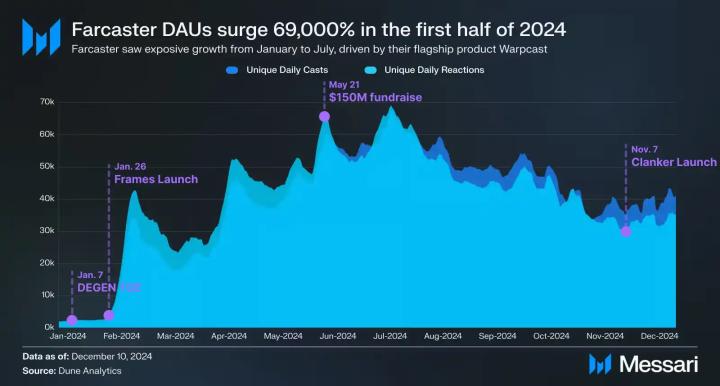
Farcaster has solidified its position as the leading decentralized social protocol in 2026, driven by a shift toward stable infrastructure and the explosive growth of interactive Frames. Unlike traditional social networks that rely on opaque algorithms, Farcaster operates on an open protocol where users own their data and identity. This ownership model has attracted developers building tools that prioritize transparency and user control over engagement bait.
A pivotal moment for the ecosystem occurred in January 2026, when infrastructure firm Neynar took over protocol operations from the original founders. This transition was not a departure from decentralization but a stabilization of the underlying network. By moving operational control to a dedicated infrastructure company, Farcaster ensured that the core protocol remains robust, scalable, and resistant to single points of failure.
The rise of Frames has further cemented Farcaster's relevance. Frames allow any post to become an interactive application, enabling users to mint NFTs, play games, or execute transactions directly within their feed. This capability has turned Farcaster from a simple messaging board into a functional web3 social layer, attracting a dedicated daily active user base that values utility over vanity metrics.
As the ecosystem matures, the focus has shifted from speculative growth to sustainable tooling. The apps and tools we highlight in this guide are selected based on their ability to enhance this decentralized experience, offering everything from enhanced client interfaces to powerful analytics for Frames. These tools are essential for navigating the 2026 landscape, where the line between social media and application layer continues to blur.
Best Farcaster Mobile Clients
Farcaster operates as a decentralized protocol, meaning the client you choose is your window into the network. While the protocol handles identity and data storage, the mobile app handles the user experience. For most users, the official client remains the most stable entry point, though several third-party options offer distinct interface preferences.
Farcaster Official Client
The official Farcaster app is the baseline for the network. It provides direct access to the protocol without intermediary layers, ensuring your casts and replies sync correctly with the wider network. The interface is clean and functional, prioritizing the feed and direct messaging over complex customization. It is the recommended starting point for new users who want a straightforward experience without configuring third-party relays.
Third-Party Alternatives
Several third-party clients have emerged to offer different visual styles or niche features. Apps like Warpcast and Supercast provide alternative layouts, dark modes, or integrated wallet features that some users prefer. These clients connect to the same Farcaster data but may load content differently or offer unique social features like custom themes or enhanced media galleries. Choosing a third-party client often comes down to personal preference for interface design rather than significant functional differences.
Key Considerations for Mobile Users
When selecting a mobile client, consider how it handles your keypair. The best apps make it easy to back up your private key securely, as losing access means losing your identity on the network. Additionally, check the app's update frequency; active development ensures compatibility with the latest protocol features like frames or power badges. For most users, sticking with the official client or a well-established third-party option minimizes technical friction.


As an Amazon Associate, we may earn from qualifying purchases.
Frames and SocialFi Trends
Interactive Frames have shifted from experimental widgets to the primary driver of engagement on Farcaster. In 2026, these embeds allow users to like, comment, mint, or trade directly within the feed without leaving the app. This frictionless interaction has turned social feeds into active marketplaces, particularly on the Base network where transaction costs remain negligible.
The rise of SocialFi has blurred the line between content creation and financial activity. Creators now monetize attention through on-chain actions embedded in frames, while users engage with real-time data and assets. This model rewards active participation more effectively than traditional ad-based social media.
To understand the current landscape, it helps to compare the leading integrations that power these experiences.
| Feature | Protocol | Utility |
|---|---|---|
| Interactive Frames | ||
| SocialFi Payments | ||
| Identity Verification |
For users looking to build or integrate these tools, several key products facilitate the development and deployment of Frames and SocialFi applications. These tools handle the complex backend interactions, allowing creators to focus on user experience.



As an Amazon Associate, we may earn from qualifying purchases.
Developer Ecosystem and Tools
Building on Farcaster requires navigating a stack that separates social identity from financial settlement. The protocol itself handles the core social graph, allowing users to move their identity across different applications. For developers, this means you do not need to build your own user authentication system from scratch.
The infrastructure relies on a clear division of labor. Identity management sits with Farcaster, while payments and content monetization typically run on Base. This combination lets apps focus on user experience rather than backend complexity. Many onchain consumer apps launched in 2026 explicitly target this Farcaster+Base stack to reduce friction for new users.
Developers also need to account for the network's growth. While the user base is smaller than traditional social media, the active user count provides a focused community. Recent data from the official client API shows approximately 4,387 daily active users with power badges, representing a non-spam core audience. This density makes it easier to build niche communities without the noise of larger platforms.
The ecosystem is supported by official tools and third-party libraries. The Farcaster team provides the core protocol and reference clients, while the broader developer community contributes SDKs for various languages. This open-source approach allows developers to iterate quickly on new social features without reinventing the wheel.
For those looking to integrate commerce or premium features, the network now supports paid subscriptions through Farcaster Pro. These subscriptions can be handled via USDC or Warp on the Base network, providing a seamless way to monetize content or access premium tools.


As an Amazon Associate, we may earn from qualifying purchases.
Farcaster 2026 FAQs
Is Farcaster paid?
The core Farcaster protocol remains free to use, but the ecosystem has introduced paid tiers. Farcaster recently launched "Farcaster Pro," a subscription service available on mobile apps. Users can pay for these features using USDC or Warp. The base protocol, however, does not require a fee to create an account or post messages.
How many active users does Farcaster have?
User counts vary depending on how "active" is defined. Public API data from the official client identifies approximately 4,387 users with "power badges," which serves as a rough proxy for genuine daily active users (DAU) free of spam. Broader metrics suggest the platform is still in a growth phase compared to legacy social networks, with daily engagement hovering around the 5,000 mark.
Who is behind Farcaster?
Farcaster was founded by Dan Romero and Varun Srinivasan. Romero previously served as the Head of Product at Coinbase, bringing significant experience from the centralized crypto exchange world to this decentralized protocol. The project is backed by major venture capital firms, including Paradigm and a16z, which have supported its development as a competitor to traditional social media platforms.
No comments yet. Be the first to share your thoughts!