

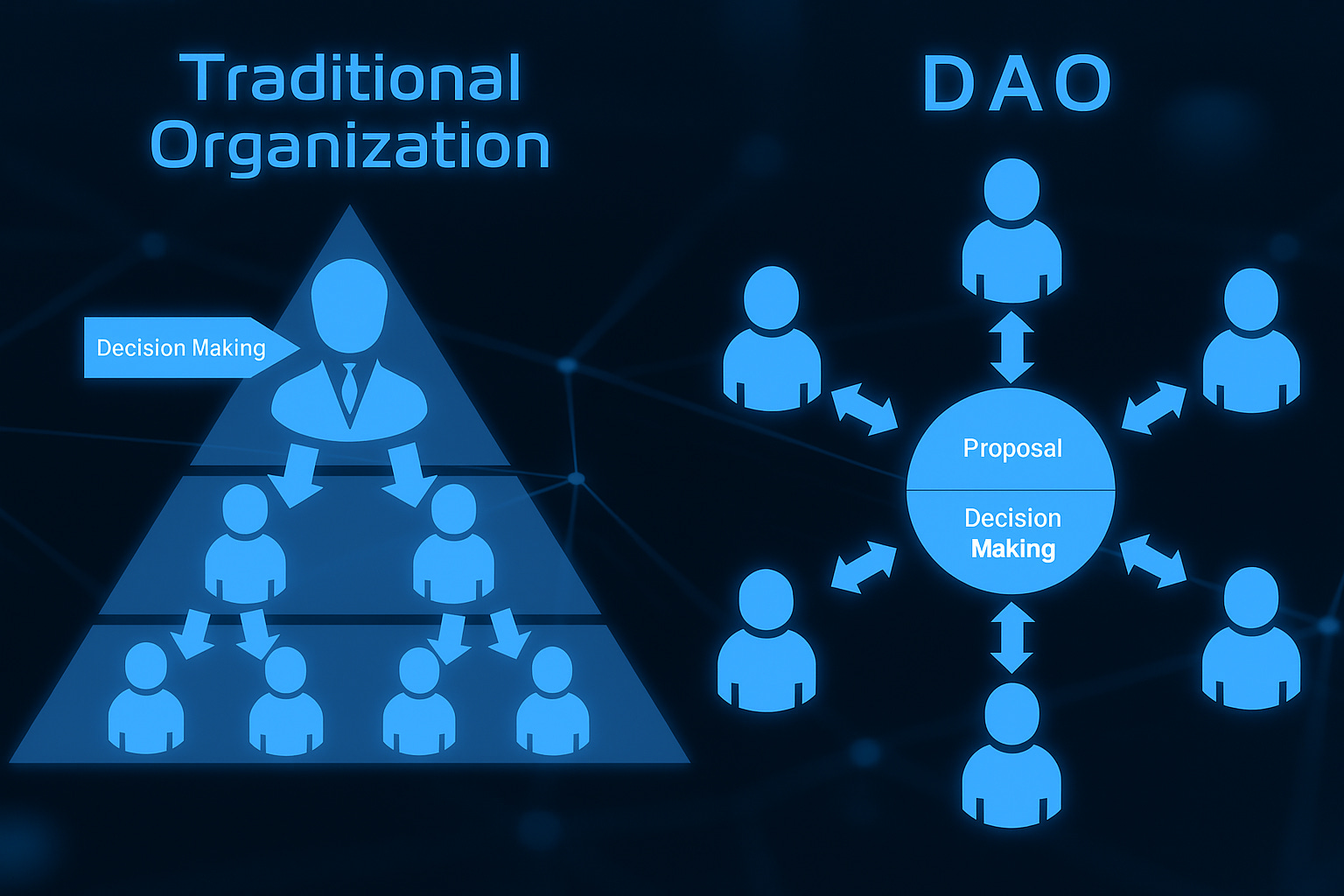
Decentralized social media is no longer a distant vision - it is rapidly taking form through protocols like Lens Protocol, which is building a foundation for community-driven governance in Web3. By leveraging DAOs and transparent proposal systems, Lens aims to shift power from centralized platforms to users, creators, and developers. This article explores how Lens Protocol DAOs are redefining social media governance for an era of open participation and collective decision-making.
What Makes Lens Protocol DAO Governance Unique?
Unlike traditional social platforms where decisions are made behind closed doors, Lens Protocol fosters community governance through mechanisms such as Lens Improvement Proposals (LIPs). These LIPs allow any community member to suggest upgrades, new features, or bug fixes via the project’s public GitHub repository. Instead of relying solely on token-weighted votes, the Lens approach emphasizes broad community feedback and transparency, aiming for inclusivity over plutocracy.
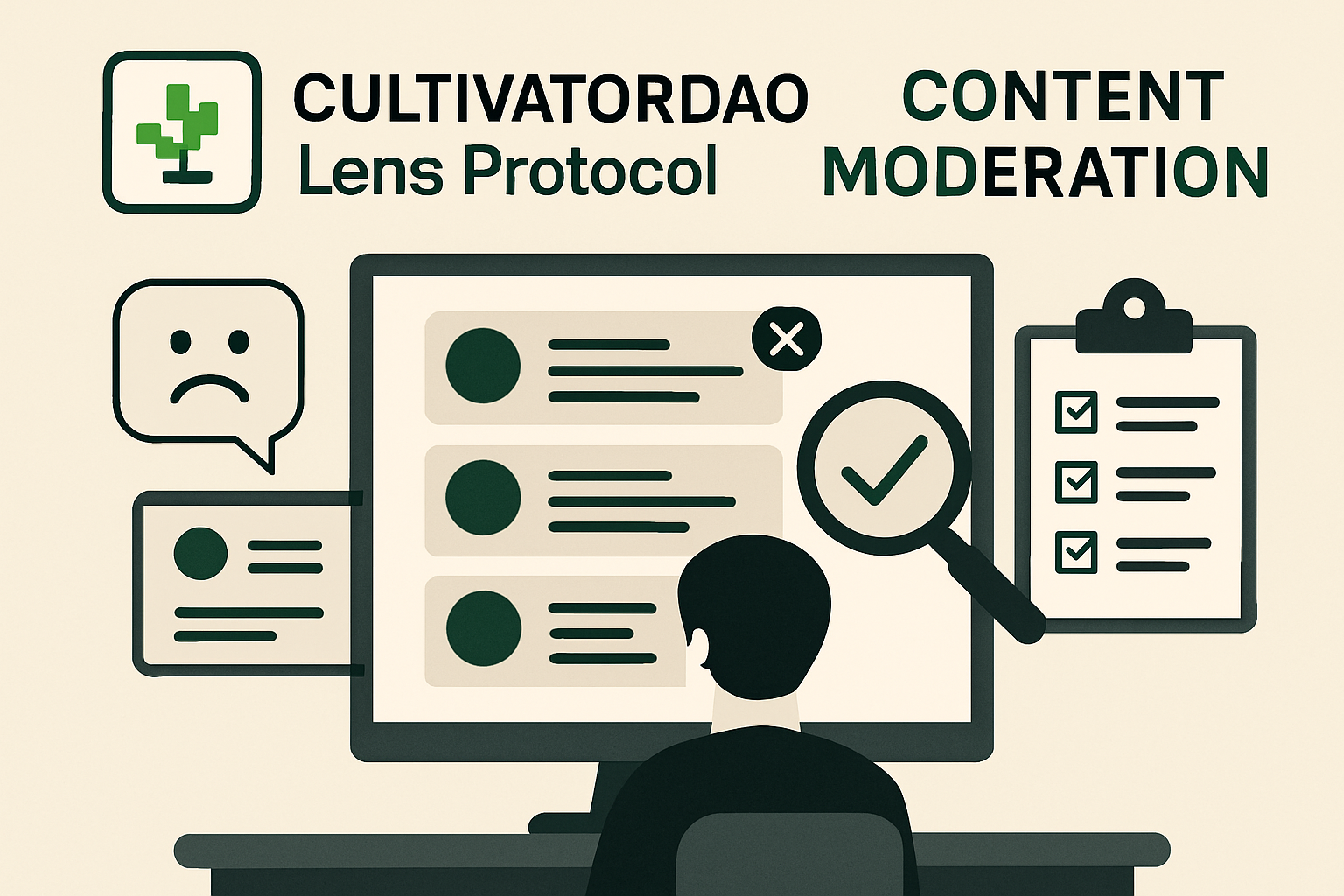
The protocol has also introduced CultivatorDAO, a decentralized content moderation system. This DAO manages public lists to help filter spam and verify authentic content without resorting to opaque algorithms or unilateral bans. Developers and users can opt in, making moderation a transparent and collaborative process. This marks a significant departure from the black-box content moderation models that dominate Web2.
The Role of Permissionless Participation in Social DAOs
One of the most transformative aspects of Lens Protocol’s evolution is its move to a permissionless model. Now anyone can mint a profile on Lens, while developers are free to build applications atop its decentralized social graph without gatekeepers. This open architecture is designed to catalyze innovation by reducing friction for both end-users and builders.
This permissionless ethos extends into the DAO layer as well. Community members aren’t just passive users - they can actively shape platform policies, participate in curation (via CultivatorDAO), and even propose protocol-level changes that affect the entire ecosystem. The result is an environment where governance is not just accessible but expected as part of everyday participation.
Key Features Empowering Community Governance on Lens
Key Features Powering Decentralized Governance on Lens Protocol
- Lens Improvement Proposals (LIPs): LIPs are the backbone of community-led governance on Lens Protocol. Anyone can submit proposals for upgrades, bug fixes, or new features via the public GitHub, ensuring open participation and transparency in protocol evolution.
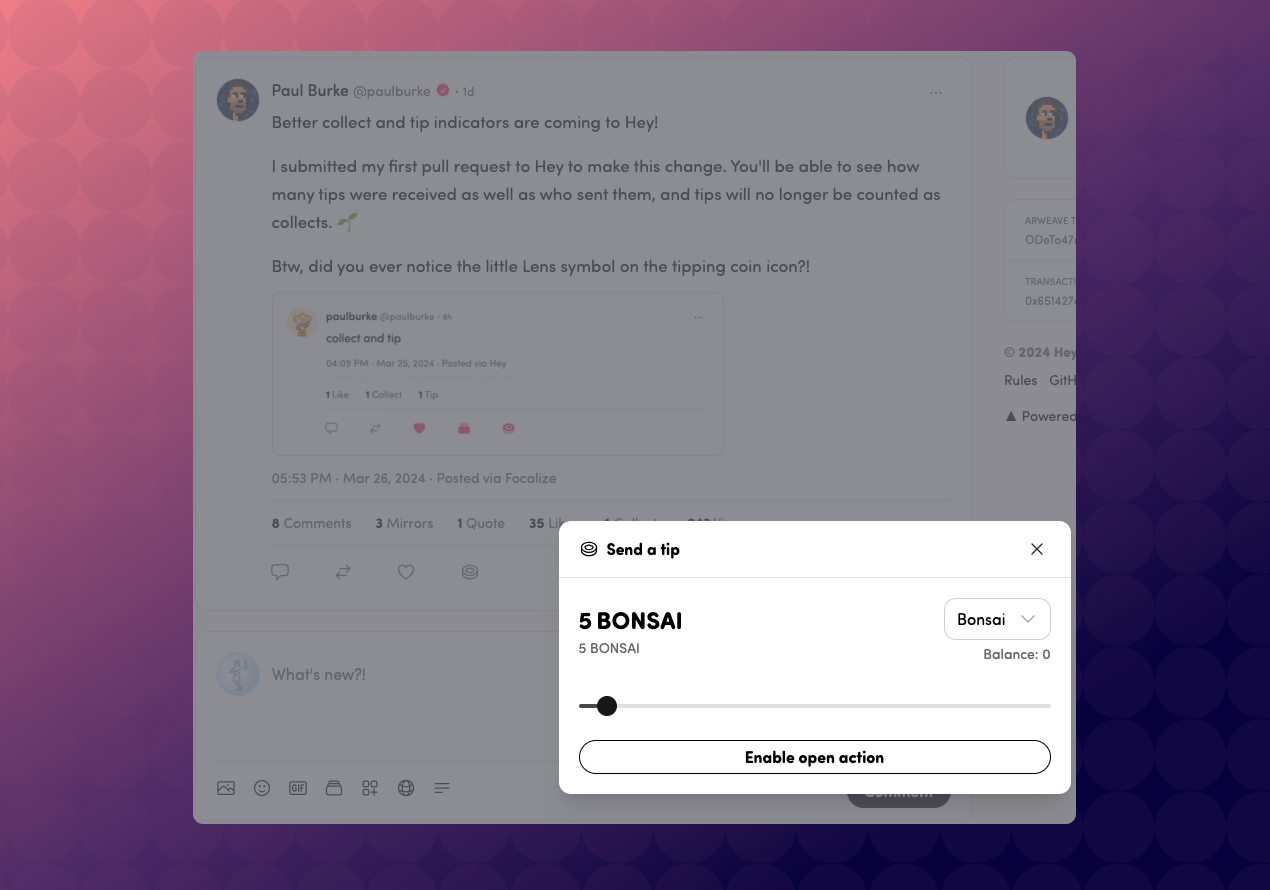
- CultivatorDAO: This decentralized content moderation DAO empowers the community to manage public spam lists and verify content. Users and developers can opt in, fostering trust, safety, and transparent curation across the ecosystem.
- Profile Ownership: Lens Protocol enables users to mint and fully own their social profiles as NFTs. This guarantees data sovereignty and portability, letting users control their identity and connections across dApps.

- Permissionless App Development: By moving to a permissionless model, Lens allows any developer to build on its decentralized social graph. This encourages rapid innovation and a vibrant, community-driven ecosystem.
LIPs (Lens Improvement Proposals) serve as an open channel for upgrades and community feedback.
CultivatorDAO decentralizes moderation while maintaining transparency.
Profile ownership ensures users retain control over their data and monetization options.
Permissionless app development encourages ecosystem diversity and rapid iteration.
The Broader Impact: From Token Voting to True Community Voice
The emergence of DAOs within the Lens Protocol DAO ecosystem signals a shift away from token-only voting models toward more holistic approaches that prioritize engagement over simple capital allocation. By inviting meaningful participation through LIPs and DAOs like CultivatorDAO, Lens sets a precedent for other decentralized social projects seeking legitimacy through transparency and user empowerment.
Lens Protocol’s approach to community governance is already influencing the wider Web3 landscape. By decoupling voting power from pure token holdings and focusing on open proposal systems, Lens aims to mitigate the concentration of influence that has historically plagued DAO models. Instead, the protocol leverages social capital, continued engagement, and transparent discussion as the primary drivers of change.
This evolution is particularly significant for decentralized social DAOs, where the risks of plutocracy are magnified by network effects and early adopter advantages. Lens Protocol’s model demonstrates that it is possible to build a governance layer where diverse voices are heard and acted upon, without sacrificing efficiency or innovation. The public nature of LIPs encourages accountability, while CultivatorDAO’s opt-in moderation system provides a blueprint for community-driven content curation that other protocols can emulate.
Challenges and Ongoing Experiments in Web3 Governance Tools
No governance system is without its challenges. As Lens Protocol continues to expand its permissionless ecosystem, questions remain around scalability, sybil resistance (preventing fake accounts from gaming votes), and balancing speed with deliberation. The protocol’s ongoing experiments with decentralized social DAO guide practices, such as quadratic voting or reputation-based systems, will be important case studies for the entire sector.
The move to fully permissionless profiles has also introduced new complexities around onboarding, identity verification, and spam prevention. Here, CultivatorDAO acts as both a filter and a proving ground for more nuanced moderation strategies that do not rely on centralized blacklists or arbitrary bans. As DAOs mature within Lens, expect further innovation in how communities coordinate around shared values while maintaining openness.
What’s Next for Community Governance on Lens?
The future of community governance on Lens will likely involve deeper integrations between creators, developers, and everyday users. Expect more granular DAO structures focused on specific topics, such as curation collectives or interest-based guilds, alongside broader ecosystem-wide proposals through LIPs.
This ongoing iteration is possible because of the protocol’s open architecture and commitment to transparency. As more developers build permissionless apps atop Lens’ social graph, and as new DAOs emerge to steward different aspects of platform growth, the result should be an increasingly resilient Web3 governance environment.
Final Thoughts: Redefining Social Media Governance
The rise of Lens Protocol DAO structures marks a turning point for decentralized social networks. By prioritizing community voice over pure financial stake, and by making governance accessible at every layer, Lens offers a compelling vision for what truly user-owned platforms can become.
If you’re exploring decentralized social DAO guides or seeking practical ways to participate in Web3 governance tools, watching the evolution of Lens Protocol will provide valuable insights into the next generation of digital community-building.




No comments yet. Be the first to share your thoughts!