
In the sprawling landscape of Web3 social protocols, Lens Protocol stands at a pivotal crossroads in 2026, transcending its early reputation as a decentralized Twitter alternative. What began as a composable social graph on Polygon has morphed, through acquisition and reinvention, into a foundational layer for innovative applications in gaming, dating, and professional networking. This evolution mirrors broader macroeconomic shifts in digital economies, where ownership of social connections fuels new revenue streams amid faltering centralized platforms. Developers now leverage Lens's updated modular toolkit to craft experiences that blend social interaction with financial incentives, positioning it as a cornerstone for SocialFi's next wave.
Unlock Lens Protocol: Build Gaming, Dating & Networking Web3 Social Apps in 2026

Lens Protocol's Strategic Acquisition Signals Mainstream Ambitions
The January 2026 acquisition by Mask Network marked a seismic shift for Lens Protocol, steering it from developer-centric experimentation toward product-led growth. Mask Network, long a bridge between Web2 interfaces and Web3 infrastructure, injected resources to prioritize user accessibility over raw technical prowess. This move addresses persistent adoption hurdles; despite flashy launches in 2025, Lens apps saw traffic plummet to mere dozens of daily users, underscoring the chasm between hype and habit-forming products. Yet, in this recalibration lies opportunity. By focusing on seamless onboarding, Lens now appeals to broader demographics, setting the stage for Lens Protocol gaming apps and beyond.
Orb Social exemplifies this pivot. As a Lens-powered app available on iOS, it curates interest-based clubs spanning art, music, NFTs, DeFi, writing, and crucially, gaming. Users dive into authentic discussions, fostering communities that feel organic rather than algorithmic. In a macro sense, this reflects global trends toward niche, tokenized social economies, where engagement translates directly to value accrual for creators and participants alike.
It looks like @masknetwork is acquiring /lens. it feels like a move toward consolidating resources and focusing on building better products. I’ve talked about this many times before. It’s honestly a shame that so many big Lens clients have shut down one by one. @phaverapp, Hey.xyz, @buttrfly... and now only orb.club remains, plus @fireflyapp as an aggregator. Whether it was launching a token, memberships, or experimenting with other monetization models, none of these attempts really proved sustainable in the long run. Part of the reason is that Lens’s user base was simply too small. another is that the ecosystem was extremely fragmented. Different clients didn’t interoperate well, features weren’t shared, and users ended up scattered across apps, which only made each individual client weaker. That’s why I think Farcaster’s Product-led protocol development makes a lot of sense. If Mask becomes the new "steward" of Lens, there may finally be an opportunity to consolidate resources across the ecosystem and truly double down on making Orb and Firefly even better products. And, perhaps most importantly, there’s little reason to doubt Mask’s commitment to the ideals of decentralization. Maybe one day we’ll see Farcaster gain a new "steward" as well. There are already some rumors along those lines. If that happens, I wouldn’t be surprised, and I’d be inclined to believe it would be for the same reason: concentrating resources to build better products, attract more users, and ultimately help the protocol grow stronger as a whole. DeSoc can only go mainstream once there are great products that people genuinely use.
Modular Social Primitives: The Developer Arsenal for 2026
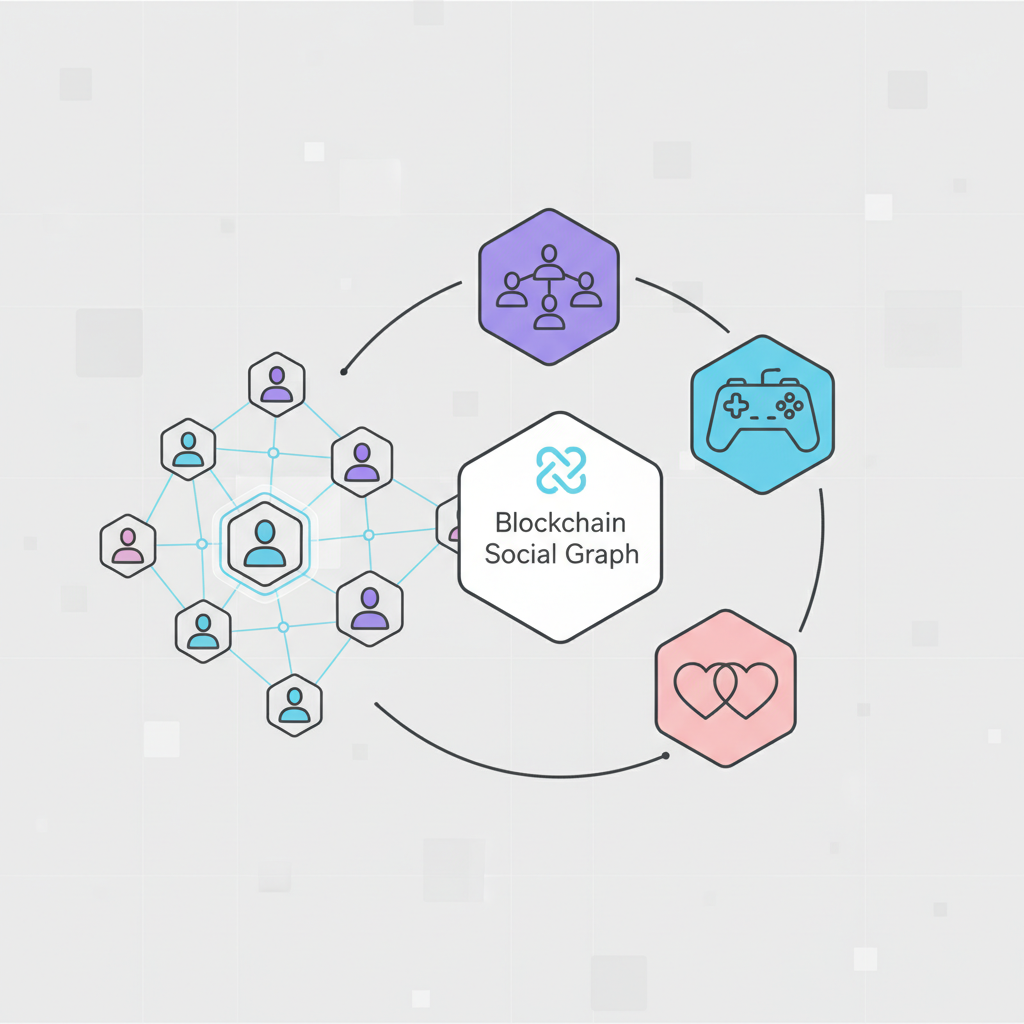
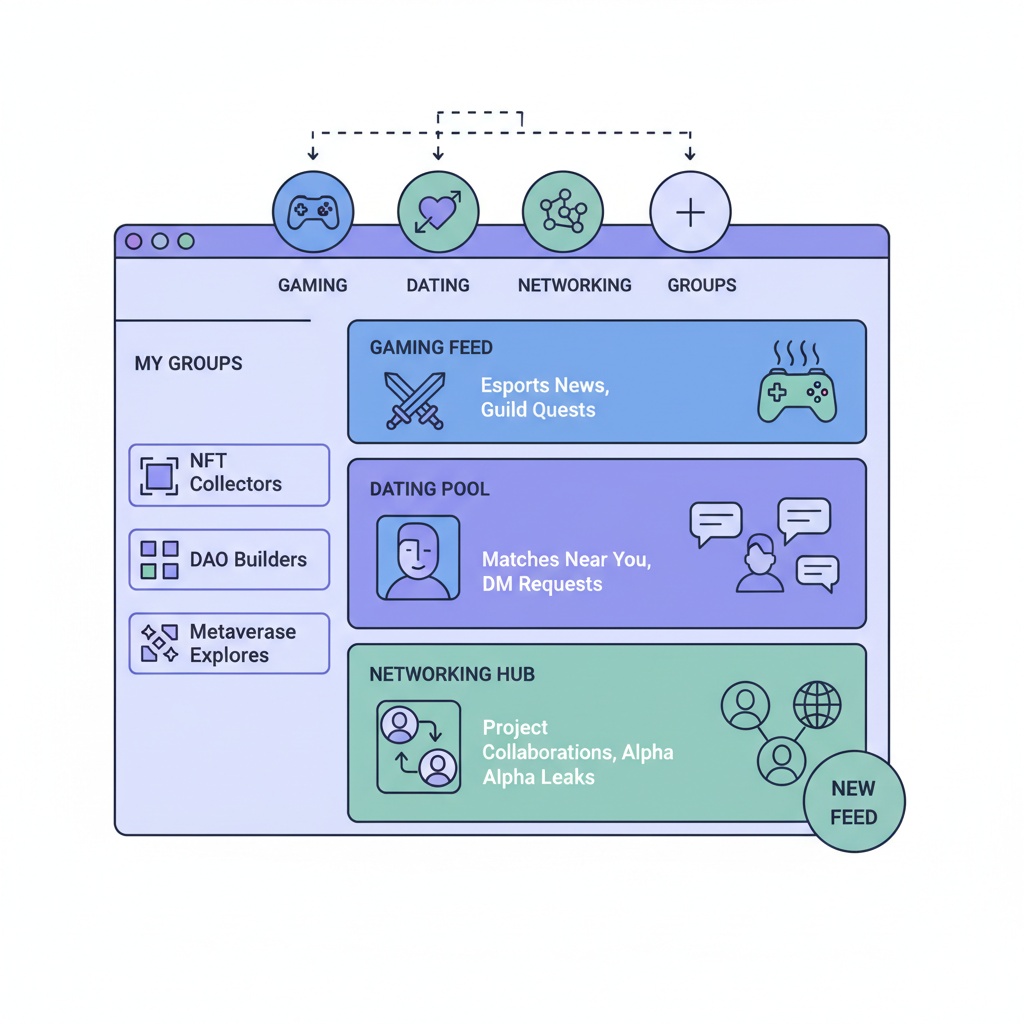
Lens's revamped modular Social Protocol equips builders with Lens developer tools 2026 like Accounts, Usernames, Graphs, Feeds, and Groups. These Web3 social primitives on Lens offer unprecedented flexibility, enabling scalable consumer apps without the rigidity of legacy blockchains. Imagine constructing a decentralized feed that morphs into a matchmaking algorithm or a guild roster for gamers; the composability unlocks such hybrids effortlessly.
Historically, Lens emerged from Aave's innovative ethos, not as a frontend dApp but as a backend protocol for social graphs. Sources like BuidlerDAO reports highlight its Polygon roots, emphasizing creator ownership of connections. Fast forward to 2026, and these primitives address past pitfalls, such as feature bloat without user retention. Developers can now iterate rapidly, integrating financial rails for tipping, staking, or NFT-gated access, all while maintaining permissionless openness.

Gaming Apps on Lens: Where Play Meets Persistent Ownership
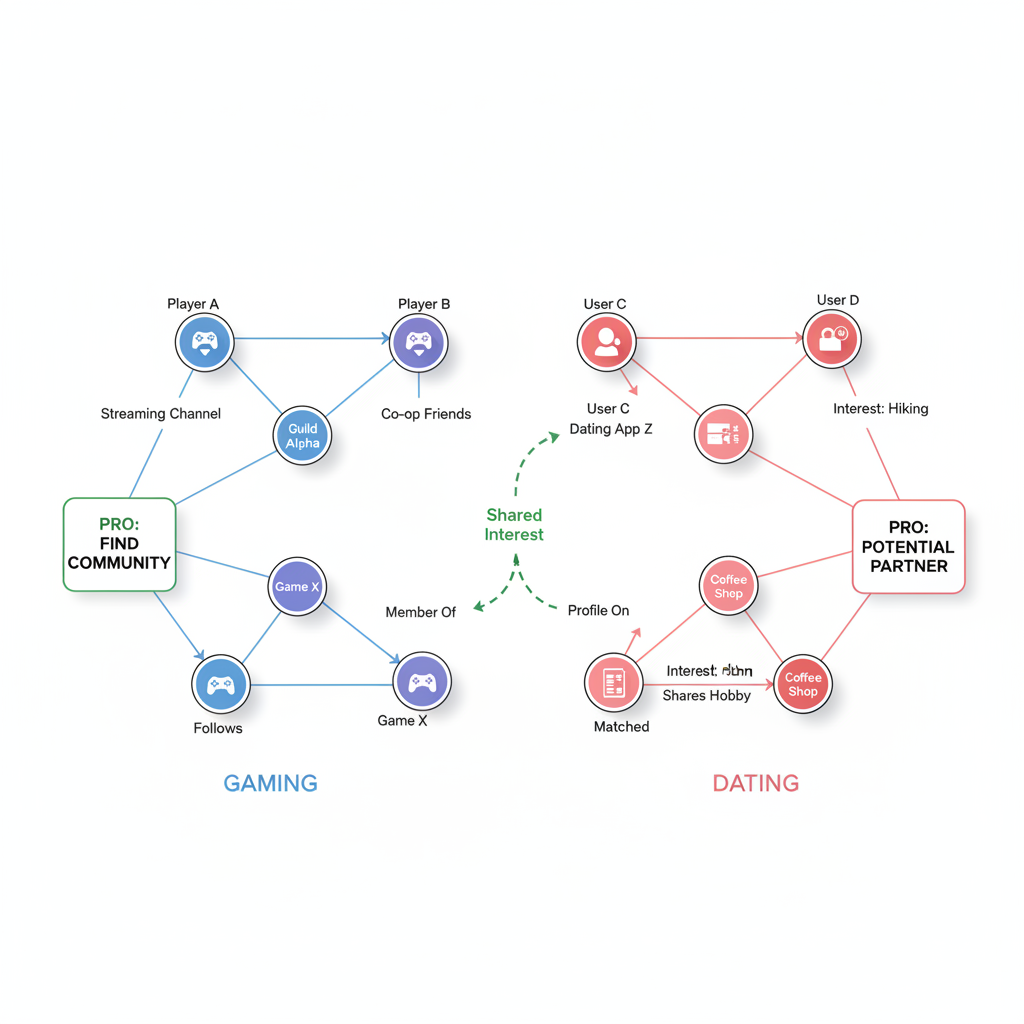
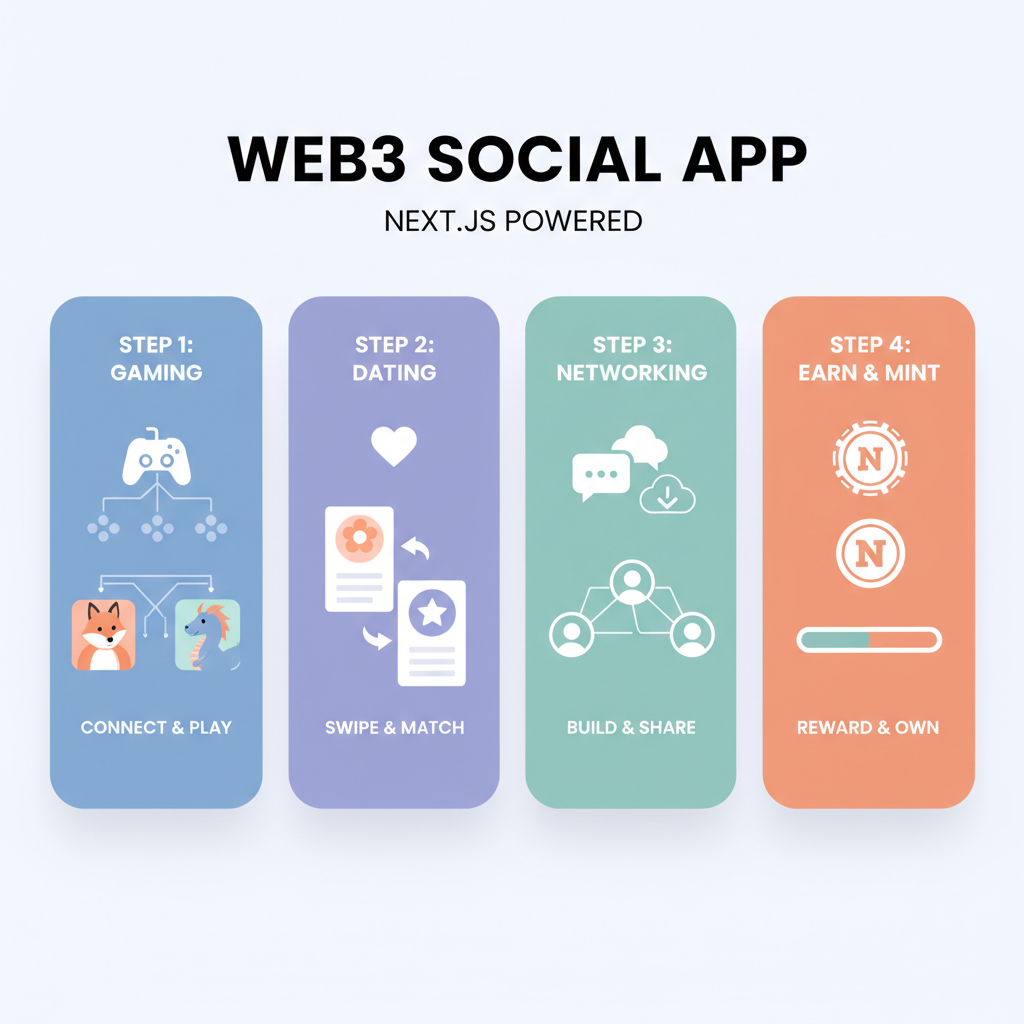
Lens Protocol gaming apps are emerging as the protocol's killer use case, capitalizing on gaming's insatiable demand for social layers. Orb Social's gaming clubs already connect players across titles, enabling shared strategies, tournaments, and even in-game asset trades via Lens profiles. This isn't superficial; profiles carry portable reputations and assets, solving the fragmentation plaguing Web2 gaming social features.
Envision guilds as tokenized entities, where membership yields governance tokens or revenue shares from sponsored events. In macroeconomic terms, as global gaming revenues eclipse traditional media, Lens positions developers to capture a slice of this $200 billion-plus market through decentralized primitives. Challenges remain, like gas fees and UX friction, but Mask Network's influence promises optimizations, potentially rivaling centralized giants in stickiness.
Developers are already prototyping decentralized dating Lens Protocol experiences, where social graphs double as trust layers for romantic connections. Unlike swipe-based Web2 apps that commoditize users into fleeting profiles, Lens enables persistent, verifiable identities tied to on-chain histories of interactions, interests, and even mutual connections. A dating app built on Lens might analyze graph data to suggest matches based on shared club participations in Orb Social or co-authored feeds, infusing serendipity with blockchain-backed authenticity.
Dating Apps on Lens: Tokenized Chemistry in a Trustless World
In this arena, Lens's primitives shine brightest. Usernames and Profiles become digital passports, portable across apps, while Groups facilitate private icebreakers or virtual speed-dating events. Financial incentives add intrigue: imagine micro-tipping for compelling first messages or staking on match longevity, creating skin-in-the-game dynamics absent in Tinder's ad-driven model. From a macroeconomic lens, dating represents a $10 billion industry ripe for disruption, as centralized platforms grapple with data privacy scandals and algorithmic fatigue. Lens offers an antidote, empowering users to own their romantic data capital, monetizable across ecosystems.
Critics might dismiss this as niche, yet the macro trend toward tokenized relationships underscores its potential. Global loneliness epidemics, exacerbated by remote work and urban isolation, demand innovative social fabrics. Mask Network's product focus ensures these apps launch with polished interfaces, sidestepping early Web3 UX pitfalls that doomed prior iterations. Early signals from Lensverse builders suggest dating dApps could drive viral loops, where successful couples evangelize the platform through shared NFTs or co-owned feeds.
Key Lens Primitives for Apps
- Accounts: Portable, user-owned identities enabling seamless profile portability across gaming, dating, and networking apps on Lens Protocol.
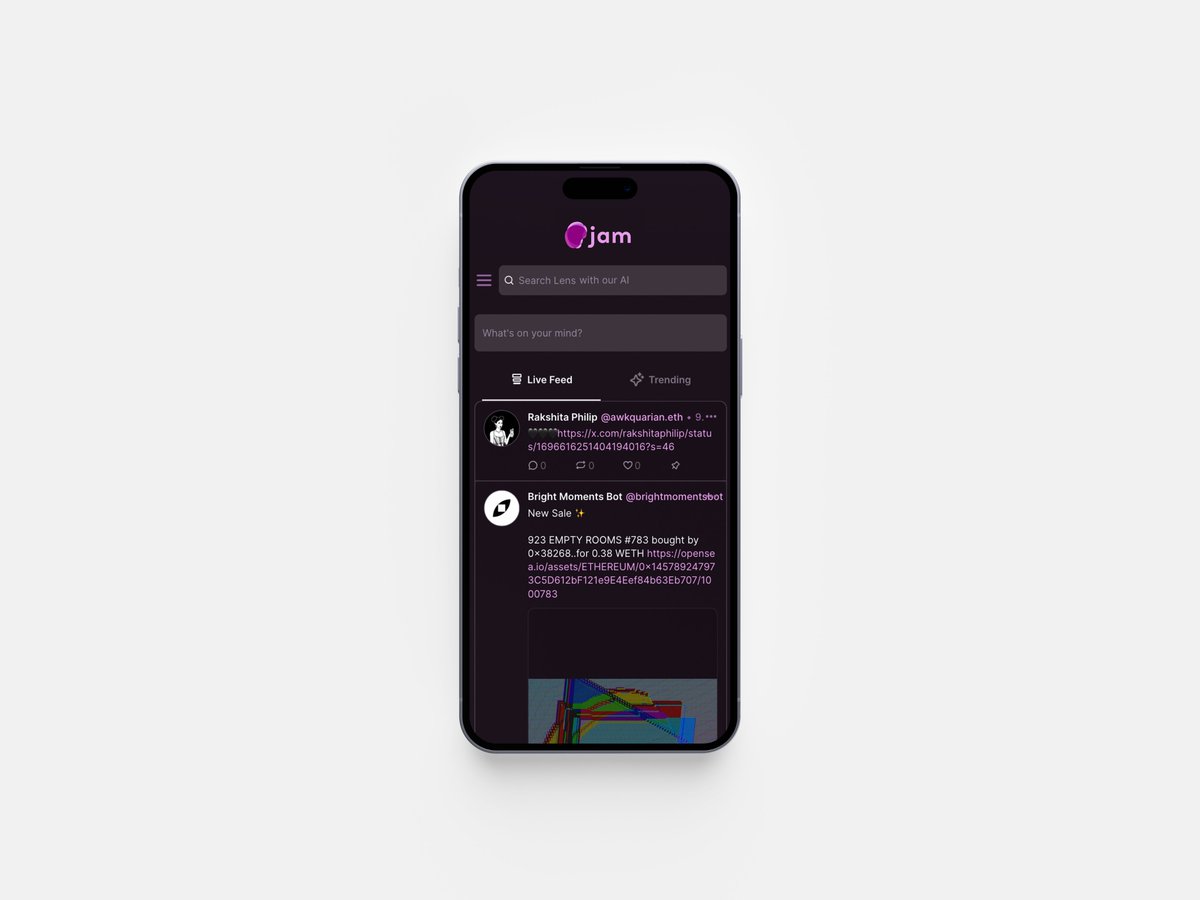
- Graphs: Social relationship mapping for connections, friends in games, matches in dating, and professional networks.

- Feeds: Dynamic, personalized content streams for real-time gaming updates, dating interactions, and networking news.
- Groups: Community tools for gaming guilds, dating interest circles, and professional networking hubs.
- Usernames: Human-readable handles boosting discoverability and search in social apps.
Networking Revolution: Lens Protocol Networking Apps for the Creator Economy
Professional networking on Lens elevates Lens Protocol networking apps to symphonic levels, weaving social graphs into career advancement tools. Think LinkedIn reimagined: decentralized endorsements as NFTs, verifiable skill badges from Group collaborations, and Feeds curating opportunity pipelines. Developers craft apps where intros yield tokenized bounties or equity slices in DAOs, aligning incentives in ways centralized networks never could.
Orb Social's DeFi and writing clubs preview this, linking creators with collaborators across borders. In 2026's fractured job market, amid AI-driven displacements and gig economy dominance, Lens provides resilient networks. Profiles accrue value over time, exportable to job boards or venture pitches, embodying true social capital. Macro forces amplify this: as remote teams proliferate and trust erodes in traditional credentials, blockchain provenance becomes premium. Mask Network's acquisition accelerates rollout, with modular tools slashing build times for enterprise-grade features like encrypted DMs or analytics dashboards.
Challenges persist, notably scalability on Polygon amid surging demand. Yet, Lens Chain's emergence promises dedicated throughput, positioning it against Solana's speed demons. Opinionated take: Lens isn't chasing Twitter's scale; it's forging deeper, monetizable bonds that centralized incumbents envy. Gaming guilds evolve into startup incubators, dating sparks ignite co-founder pairs, and networking graphs underpin global talent flows.
Lensverse Horizon: Composability as Economic Multiplier
Zooming out, the Lensverse ecosystem, as Fabri's Medium analysis posits, harbors ambitions to dwarf historical developer platforms through Web3's composability. Tutorials from Jarrod Watts and Nader Dabit's workshops democratize entry, arming indie builders with full-stack kits. Lenster's legacy as Lens's inaugural dApp proves the protocol's permissionless ethos endures, now supercharged for SocialFi hybrids.
By 2026's close, expect cross-app synergies: a gamer's guild profile fueling dating matches, networking intros spawning joint ventures. This narrative arc, from acquisition-born humility to modular mastery, reflects Web3's maturation. Centralized social media crumbles under monopoly weights and regulatory sieges; Lens rises as the open alternative, where users harvest the fruits of their digital labor. Developers, seize these Lens developer tools 2026; the forest of opportunity awaits those who plant composable seeds today.



No comments yet. Be the first to share your thoughts!