

Decentralized social networks have moved from niche experiments to robust ecosystems by 2025, with Farcaster and Lens Protocol leading the charge. If you’re aiming to build a decentralized social app that puts users in control, understanding these two protocols is critical. This guide breaks down the latest architectures, developer strategies, and integration patterns for creating a next-gen Web3 social platform.
Why Build on Farcaster and Lens Protocol?
The traditional social media model is broken - centralized platforms own your data, dictate your reach, and monetize your attention. Farcaster and Lens flip this script by giving users true ownership of their identities and content. In 2025, both protocols have matured:
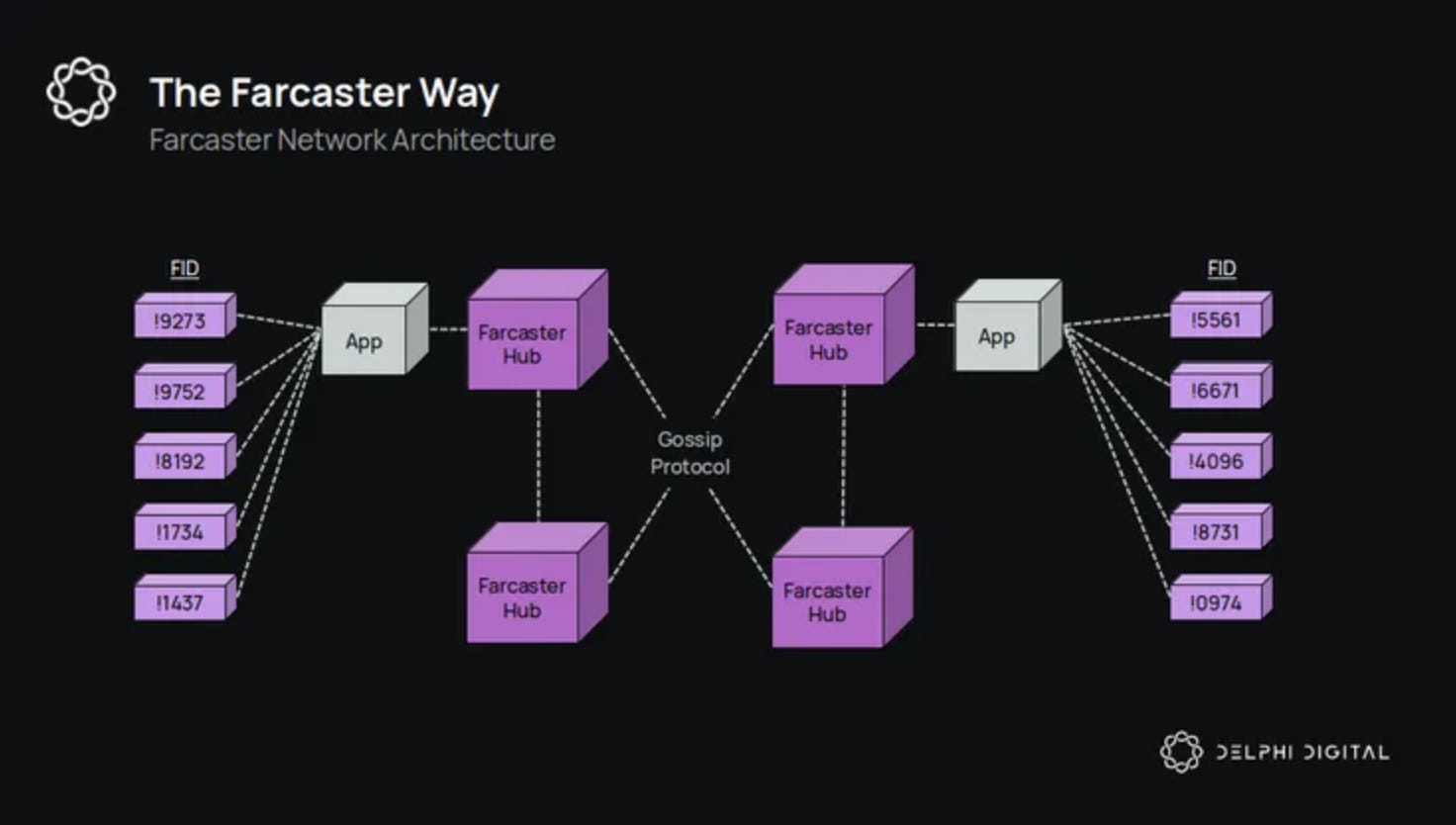
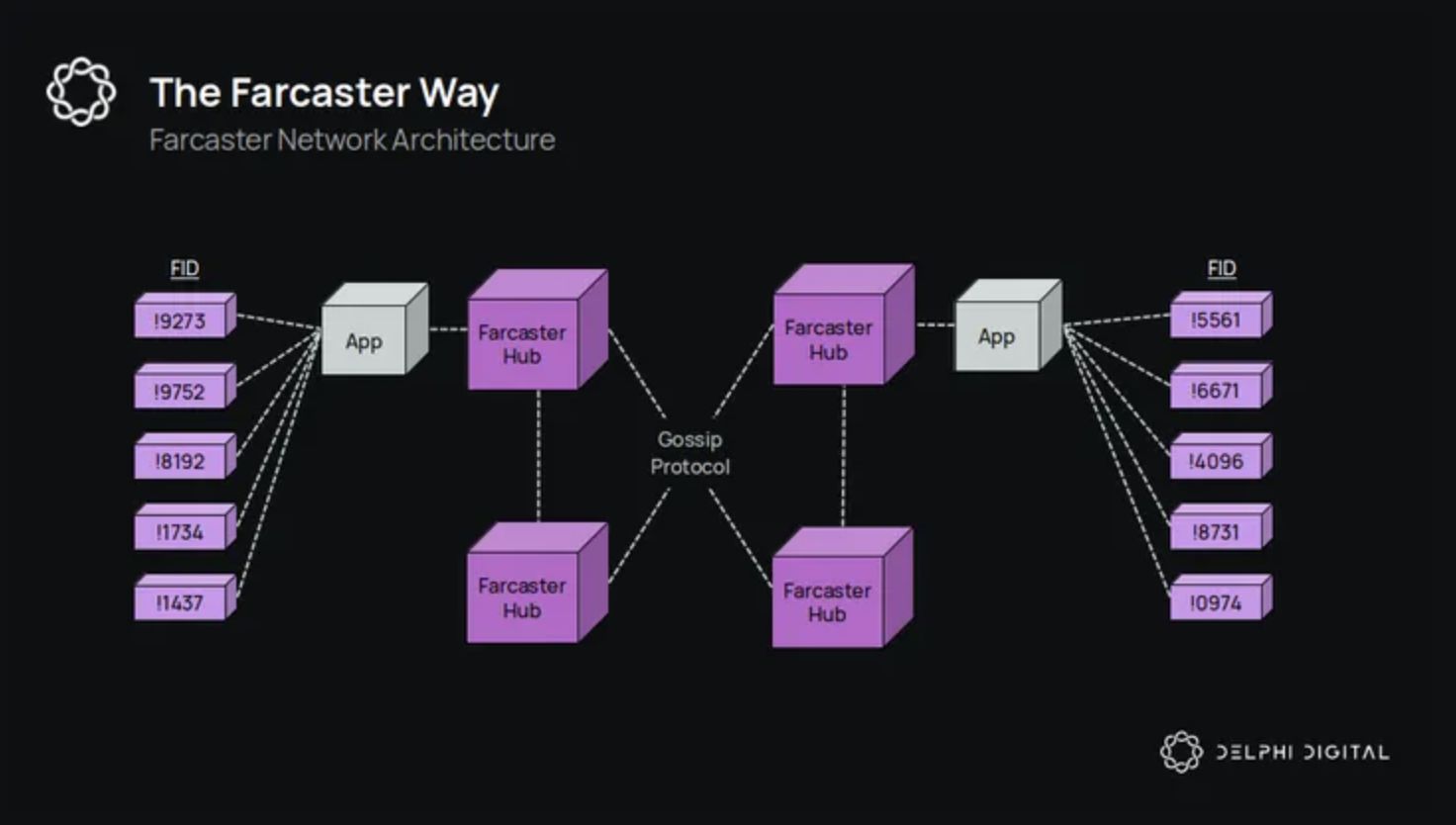
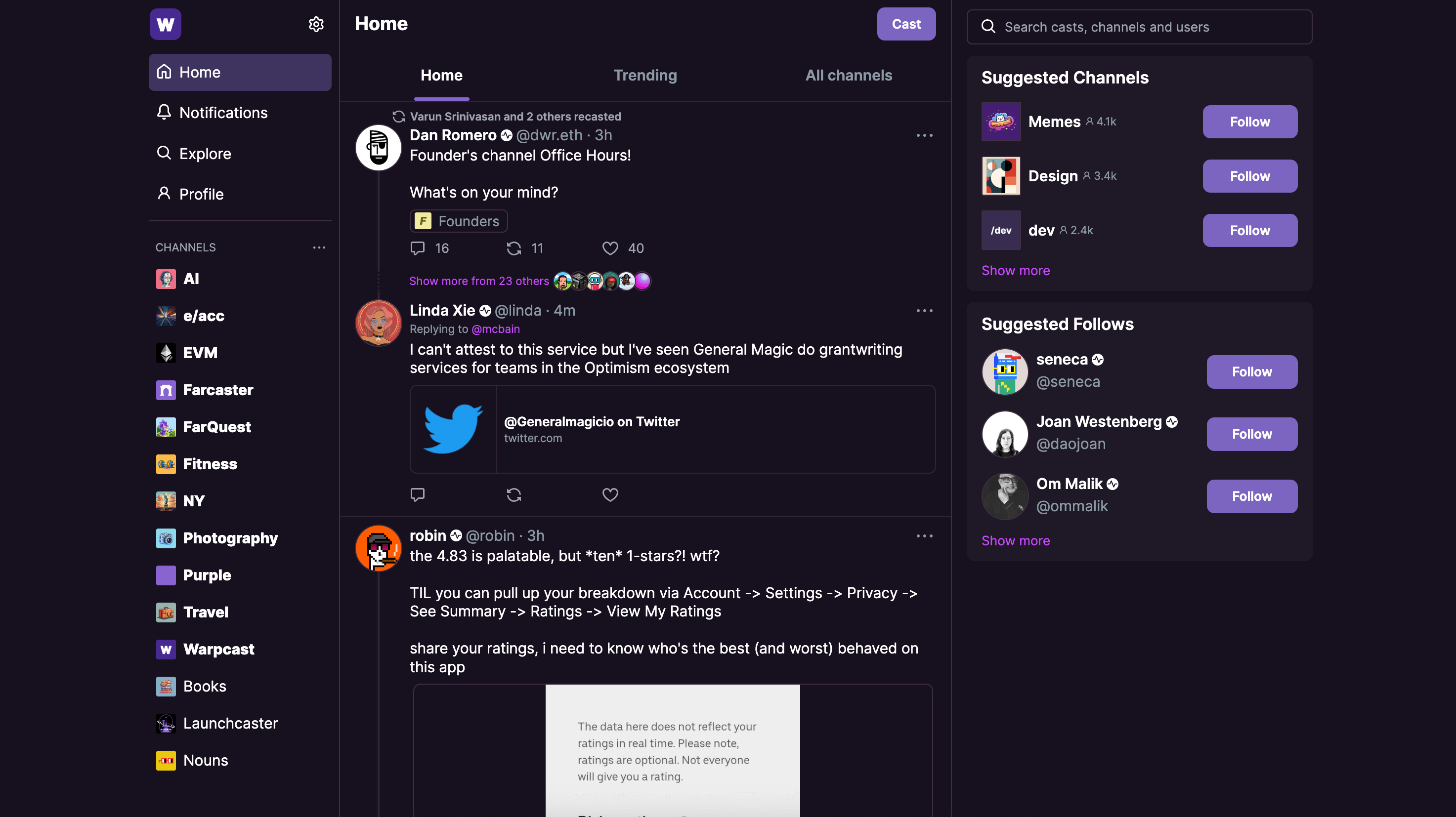
- Farcaster: Built on Ethereum’s Optimism and Base chains, it manages user identities on-chain while storing posts off-chain for speed. Warpcast remains the flagship app but countless third-party apps are emerging.
- Lens Protocol: Developed on Polygon by the Aave team, it uses NFT-based profiles where every interaction is an on-chain event. Its open API powers apps like Lenster and Orb, enabling innovative creator monetization.
Together, they enable developers to build censorship-resistant platforms with programmable monetization and zero reliance on ads or algorithms.
Key Differences: Farcaster vs. Lens for Developers
If you’re deciding which protocol to anchor your project on - or considering hybrid integration - here’s what matters most:
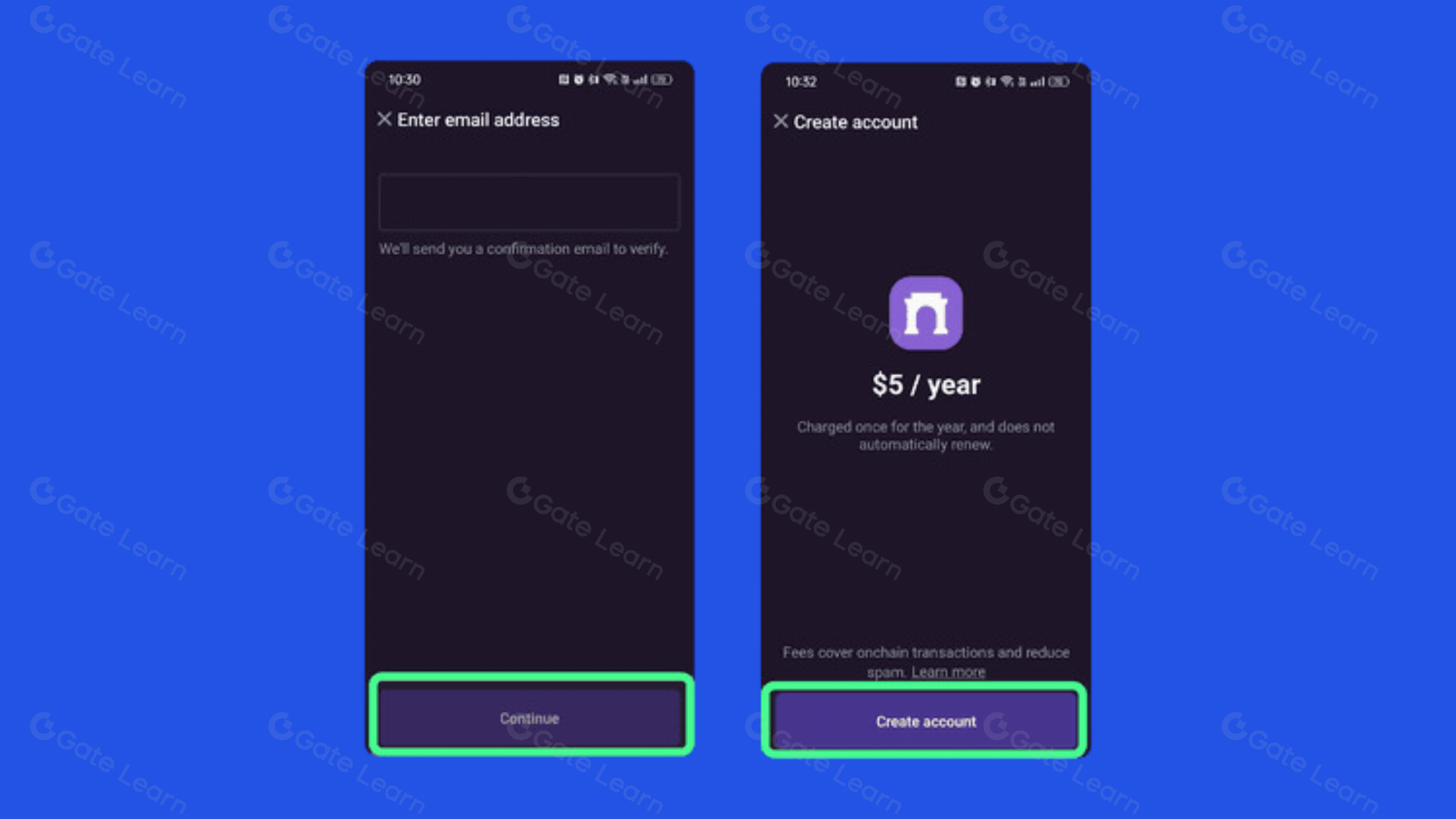
- User Identity: Farcaster keeps identity management strictly on-chain (with a nominal annual fee to deter spam), while Lens uses NFT profiles as portable passports across apps.
- Content Storage: Farcaster stores messages off-chain for efficiency; Lens bakes every interaction into the blockchain as NFTs.
- Ecosystem Model: Farcaster’s core protocol evolves rapidly under a single team; Lens relies on multiple independent teams building diverse clients atop its open graph.
- User Monetization: Both support tipping and subscriptions natively - but Lens’ programmable media NFTs offer deeper monetization logic for creators.
This architectural divergence means you can tailor your app’s UX and business model based on your audience’s needs. For a deep technical dive into implementation patterns, check out our guide at /how-to-build-decentralized-social-apps-using-farcaster-and-lens-protocol-apis.
The Core Building Blocks: What You Need Before You Start Coding
Pushing out a decentralized social MVP in today’s market means moving fast while respecting Web3 principles. Here are the prerequisites before you write a line of code:
- Define Your Social Graph Model: Are you building around public broadcasts (like Twitter), private groups (like Discord), or something new? Your choice impacts whether you lean more heavily into Farcaster or Lens features.
- Select Your Stack: Most teams combine React (for frontend), Node. js/TypeScript (for backend logic), Ethers. js/web3. js (for blockchain calls), plus IPFS or Arweave for optional content pinning.
- User Onboarding Flow: Decide if users will bring their existing wallets or create new ones in-app. Both Farcaster and Lens support wallet-based auth but differ in onboarding friction.
- Ecosystem Integration Plan: Will you tap into existing social graphs via APIs? Will you support cross-posting between Warpcast/Lenster? Planning interoperability up front saves headaches later.
The market now expects seamless wallet onboarding, instant posting, native tipping/subscriptions, and true user data portability from any new Web3 social platform.
The Developer Workflow: From MVP to Mainnet Launch
Your development journey typically follows these steps:
- Create/Test Smart Contracts: For identity management (Farcaster) or profile/content NFTs (Lens).
- Integrate Protocol APIs: Use official SDKs to fetch/post data from/to each network efficiently.
- Add Monetization Features: Enable tipping/subscription flows using protocol-native methods rather than bolt-ons.
- User Experience Polish: Optimize onboarding, notifications, feed curation - all without sacrificing decentralization principles.
This process is iterative - expect rapid feedback loops from early adopters who care deeply about privacy and ownership. For step-by-step code samples and integration advice see our related resource: /how-to-build-a-decentralized-social-app-using-farcaster-and-lens-protocol.
Once your MVP is live, the real test begins. The decentralized social space is fiercely user-driven, with communities quick to adopt apps that respect autonomy and just as quick to abandon those that fail on privacy or UX. Both Farcaster and Lens Protocol offer active developer support channels, regular ecosystem hackathons, and open bounties for innovative integrations.
Best Practices for Launch and Growth in 2025
To stand out in the evolving Web3 social landscape, focus on these action points:
Best Practices for Launching a Decentralized Social App in 2025
- Leverage Farcaster’s User-Controlled Identity: Build on Farcaster to enable users to own their digital identity, ensuring data sovereignty and seamless cross-app authentication.
- Utilize Lens Protocol’s NFT-Based Social Graph: Integrate Lens Protocol to let users create, own, and monetize NFT profiles, posts, and connections, fostering transparent creator economies.
- Prioritize On-Chain/Off-Chain Data Balance: Store critical data (like identities) on-chain for security, while keeping content off-chain for scalability, following Farcaster’s hybrid architecture.
- Implement Spam Prevention and Transparent Monetization: Adopt Farcaster’s annual fee model to reduce spam, and Lens’s programmable monetization (tips, subscriptions) to empower creators without ads or algorithmic feeds.
- Engage with Active Communities: Join developer and user communities on platforms like Farcaster Discord and Lens Protocol Discord for real-time feedback and collaboration.
1. Prioritize Data Portability: Make it easy for users to move their content and identity between platforms. Both protocols provide robust APIs, leverage them to enable import/export features from day one.
2. Lean Into Community Tools: Farcaster’s Frames and Lens’ modular NFT actions let you build custom interactions (polls, gated content, tokenized rewards) without reinventing the wheel. Use these primitives to encourage engagement without relying on algorithmic feeds.
3. Monetization Without Middlemen: Integrate native tipping, paid subscriptions, or token-gated experiences directly into your UI. Lens Protocol’s programmable NFTs are especially powerful, think beyond simple paywalls to dynamic access tiers or collaborative revenue splits.
4. Transparent Moderation: With decentralization comes new moderation challenges. Consider open-source moderation contracts or community voting mechanisms to handle spam and abuse while preserving user rights.
What Sets Successful Web3 Social Apps Apart?
The top-performing decentralized social apps in 2025 have several traits in common: frictionless onboarding (wallet connect and social recovery), instant posting with cross-protocol compatibility (Farcaster ↔️ Lens), and clear value exchange for creators and curators.
It's been something I've had a hard time trying to articulate, but ultimately, I feel the latest attempt at crypto x social is once again demonstrating a failure of incentive alignment, but worse, it's infecting some of the classic social venues too, as projects try to introduce the same primitives there. Classic social media has used two primary levers traditionally to grow userbase: creator monetization, and network effects from growth in monetization. TikTok speed ran this playbook as the latest example. For a startup, unseating entrenched players is effectively impossible, it requires either an exodus event (which in the case of Twitter, Bluesky partially succeeded, but embraced a very specific cohort which repelled literally everyone else), a way for unknown creators to capture attention unlike how they did on previous platforms (risking that previous platforms won't just steal your playbook for themselves, making your growth rapidly curtailed), a net new social primitive (which again, same risk), or a new monetization strategy. Crypto x social effectively took the last route, and the last route alone. The earliest of these attempts failed in part because crypto was _extremely_ niche (for validation's sake: "could be right idea, wrong time?"), but later attempts took two paths as variations on the theme, sometimes both simultaneously: creator tokens or rewards (top down, mirroring traditional social), or engagement rewards (something only crypto can really do, bottom up). But as the saying goes: show me the incentive, and I'll show you the outcome. Crypto can only do the latter because reward tokens are generally synthetic: the issuer, usually the platform or something ad-hoc attached to it (e.g. noice, and before it, moxie, degen, etc) can mint an infinite supply, and derive allocations dynamically. If a traditional social media company tried to reward reply guys in threads, they'd go bankrupt. But that observation reveals that such an approach is an attention hack for growth – it cannot survive long term. It is no surprise thus that the projects that lead with this either pivoted or died. Creator tokens too show a poor outcome, but I'll spare the discourse, as there's already been plenty around that. So what does that mean? There's no way for crypto x social to succeed as a concept? It only engenders slop posting either at the highest level or a flood of garbage in replies? Neither – it just means that the architecture of _existing_ social primitives has no alignment to crypto primitives. Or more accurately, the existing social primitives that have been attempted for this alignment. This is because in the traditional public forum-style medium, direct transactionality doesn't work – Twitter, Facebook, etc. can afford to lavishly spend on creators with the most command for attention not because it brings on people to spend money in a flywheel on their platform, but because it brings eyeballs to the ads placed around that command. And this shouldn't be a surprise – the original pitches for the companies that produced these products included advertising at the core of their revenue model. The incentives aligned, the architecture of social primitives were melded _by_ the incentives. So how do you use transactional incentives as a social flywheel that doesn't devolve into a carnival of slop? It turns out, we already had a social primitive that mastered it, and to nobody's shock, for their first decade, there was no semblance of advertisements (although they are trying to experiment with it now): Discord and Telegram, the group chats. Of course, now there are some varieties of crypto x GC based projects out there. But they're making the easiest naive move of financialization that kneecaps any attempt at growth: cost to send, either for the user, or the app that integrates. Why do they do this? In part, because a basic blockchain approach can't scale. The inherent limitations of a blockchain's effective "bandwidth" reduces the relationship with incentives to directly "solve" the bandwidth problem – if spam exists, they make it expensive. But we've been there before – trying to solve spam by adding cost was attempted so many times with email that it literally has a meme template reply (https://trog.qgl.org/20081217/the-why-your-anti-spam-idea-wont-work-checklist/). So effectively, discord and telegram "solve" this by having the capacity to handle it (more "bandwidth"), but also one other important factor: self-policing. Because communities self-organize, it's easy to establish safeguards, entry rules, either by invites, performing some kind of robot test, hell, even "react to this message" tests that if you do so too quickly to be human, you're banned. So if you can adopt that social primitive, your _only_ concern becomes the cost of scale. And therein lies the incentive alignment: you design the protocol so that scaling has no inherent "bandwidth cap", but also you design the protocol so that self organizing communities effectively serve themselves while serving others to a limit, such that you can utilize a community subscription model that gains support from the "1,000 true fans" (https://kk.org/thetechnium/1000-true-fans/) while the majority of members are not paying much, if anything, except perhaps in terms of computer resources to help delivery of messages. This model is not only sufficient, it's proven – Discord could not exist at their scale without the monetization from Nitro. This is the thesis we are all in on with Quorum and the Quilibrium protocol that powers it – we think crypto can make things better: keep conversations private, keep communities censorship-resistant (from outside influence), let your 1,000 fans enhance your community, and instead of simply pocketing subscriptions like Discord does, communities share in subscription fees, split by protocol, with no way to know who is a member, who runs a community, or who is paying – unless they want to prove it, but because it's based on raw cryptographic primitives to achieve it, it remains fully verifiable that payments go where they should. We think creator coins, effectively a palatable attempt at a rebrand of "memecoins" are the worst example of what crypto can achieve, and that "tipping culture" only succeeds at producing a feed of slop. Instead of trying to create incentives for formats that were never built to be incentivized in such a way, we aim for a proven approach that aligns incentives in the most powerful way: let people stick together, organize, communicate, build communities. The money, we believe, will follow.
If you’re building with scale in mind, don’t ignore analytics, just make them privacy-centric. Use open-source dashboards that respect user anonymity but still provide actionable insights into engagement patterns.
Resources and Next Steps
The learning curve can be steep but the ecosystem is rich with resources:
- Step-by-step technical guides
- Active Discords/Telegram groups for both protocols
- Ecosystem bounties for integrations, onboarding flows, and growth hacks
The next wave of social media will be defined by composability, creator-first economics, and radical data portability. Whether you’re building a niche community hub or the next Warpcast killer, now is the time to experiment at the protocol level, and help shape what Web3 social looks like in 2025 and beyond.




No comments yet. Be the first to share your thoughts!