
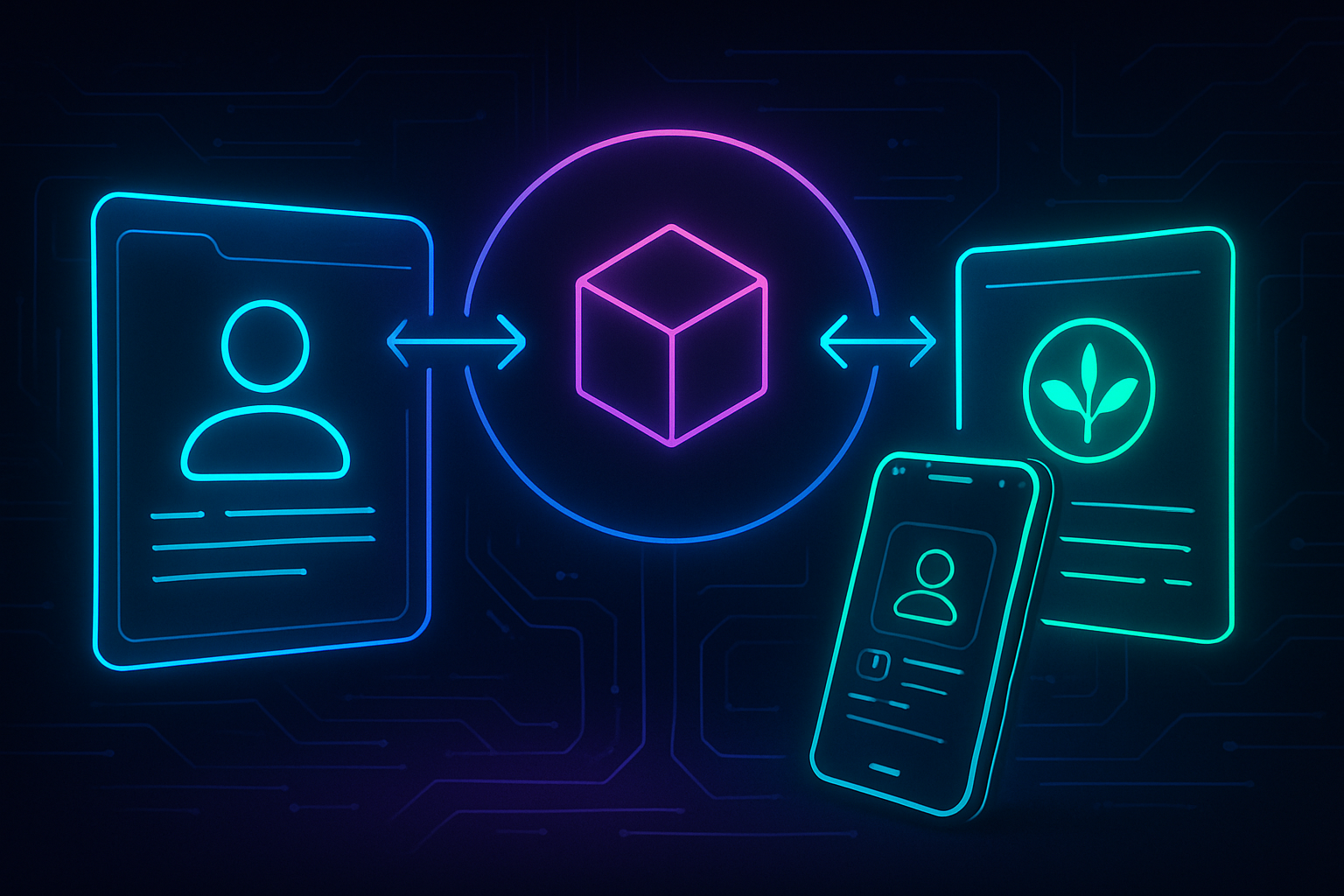
The world of social media is being rewritten by decentralized protocols like Farcaster and Lens, ushering in a new era where users own their data and developers build without permission. If you're curious about decentralized social media app development, or if you're ready to put your ideas into code, the journey starts with understanding the unique strengths of these two protocols.
The Case for Decentralized Social Media
Centralized platforms have long dictated how we interact online, controlling data, algorithms, and monetization. In contrast, Farcaster and Lens Protocol are pioneering open-source, composable infrastructures that let anyone spin up new social experiences. The key benefits? User sovereignty, privacy by design, and interoperability across the Web3 ecosystem.
"Unlike Facebook or X, Farcaster decentralizes control, giving users ownership of their data and social graphs. " – DappRadar
Farcaster vs. Lens: Choosing Your Web3 Social Stack
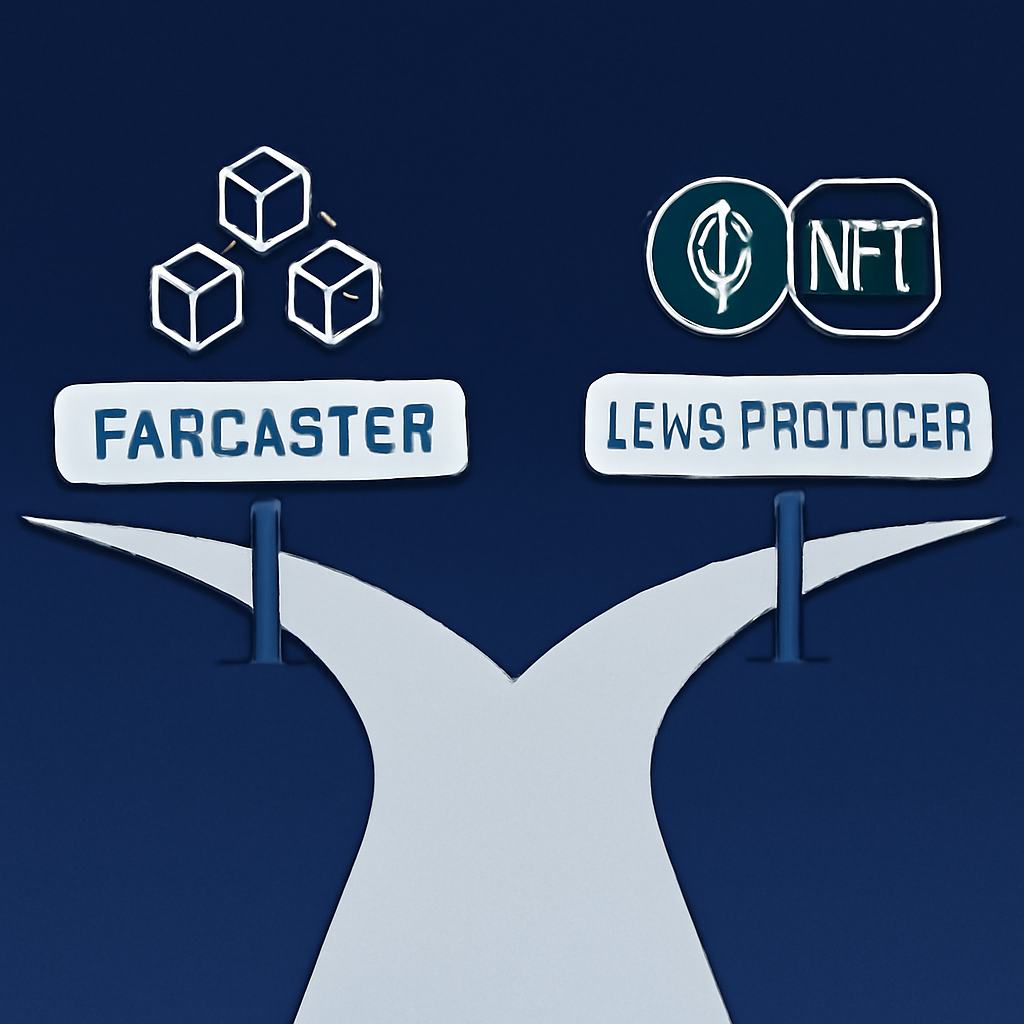
Both protocols empower developers to build next-generation apps, but they take different approaches:
Farcaster vs. Lens Protocol: Identity Models Compared
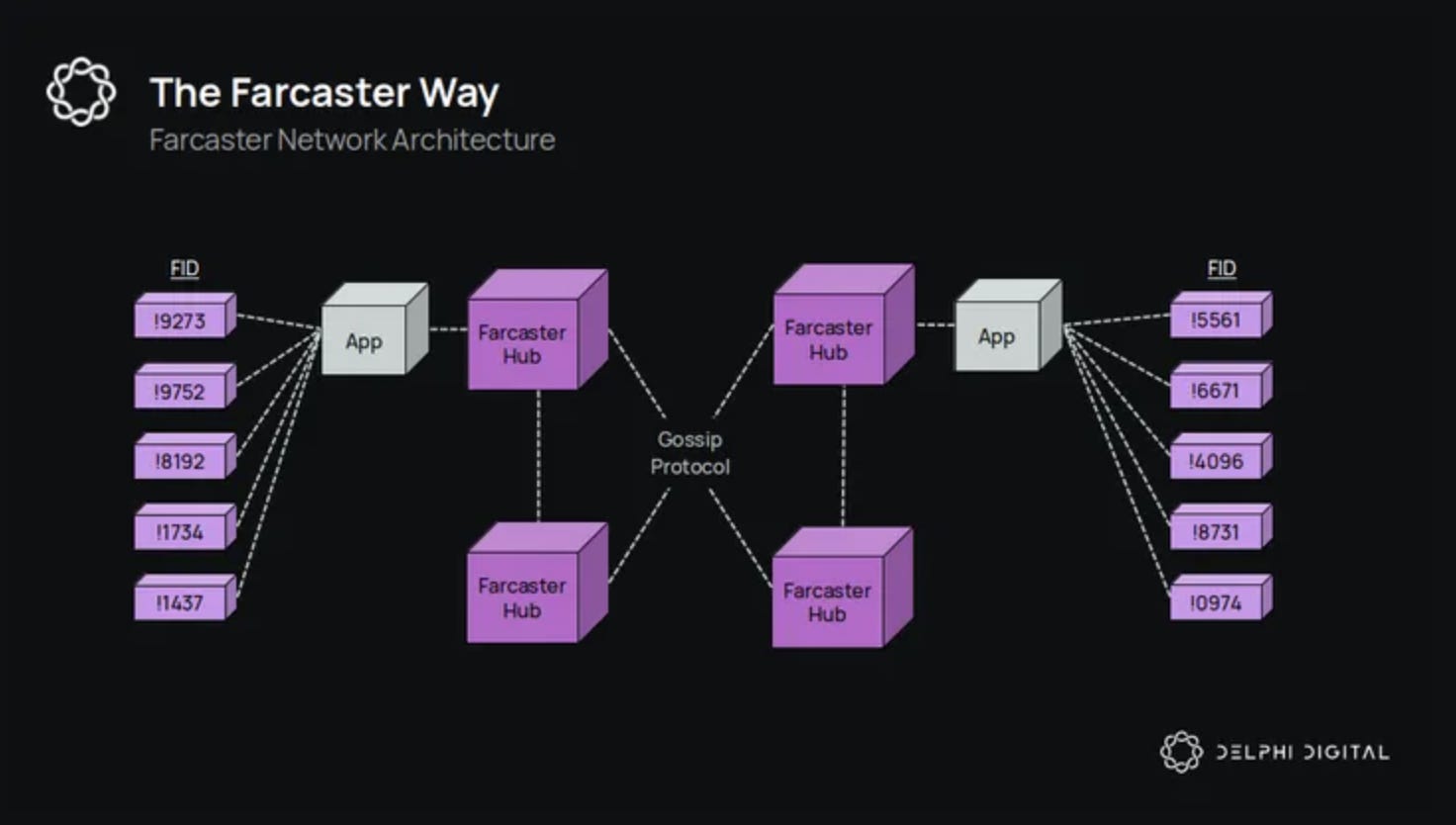
- Farcaster: On-Chain Identity Layer — Farcaster assigns each user a unique on-chain identity, managed through smart contracts on the Optimism layer 2 network. This approach enables interoperability across dApps, while user data and social graphs remain portable and under the user’s control.
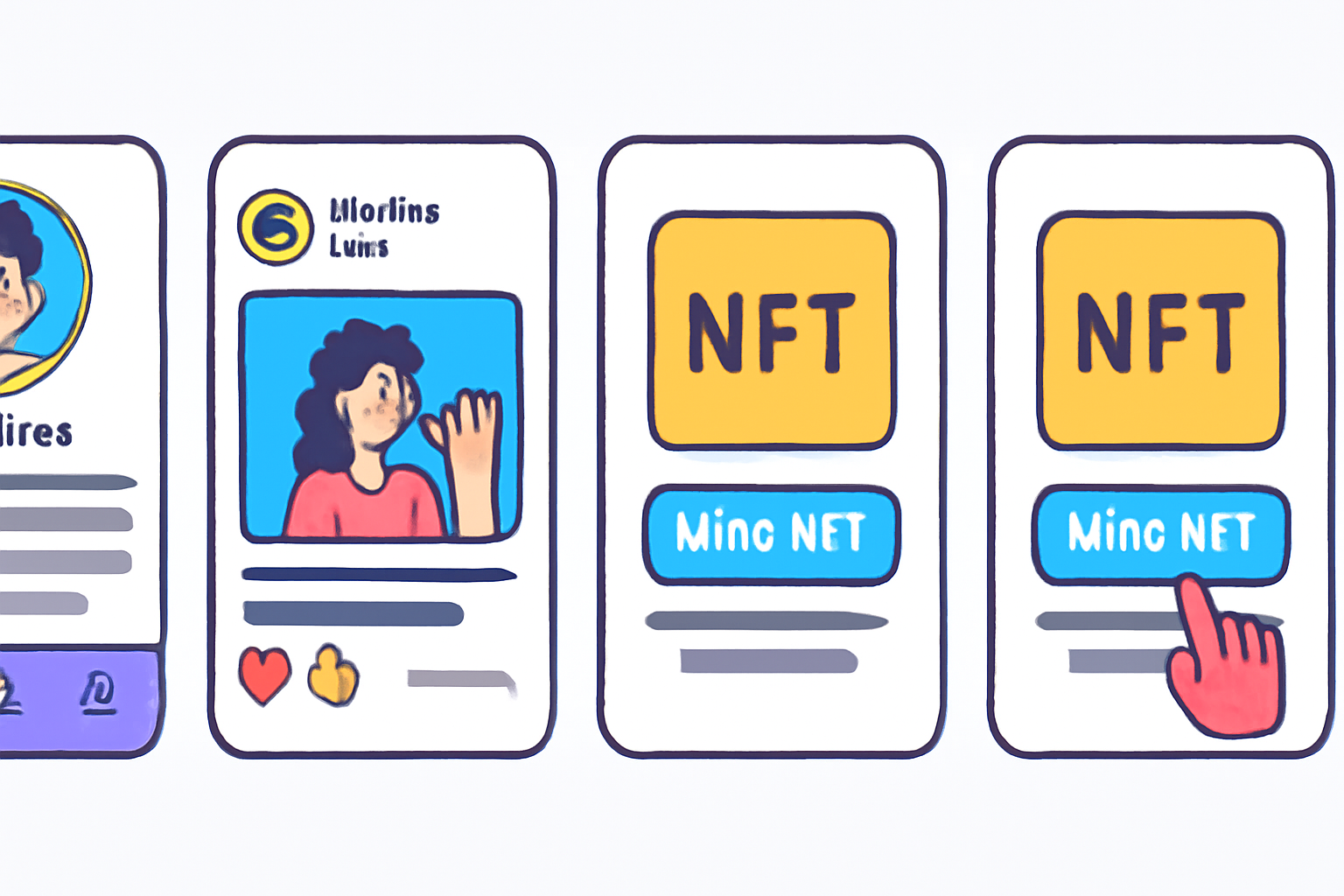
- Lens Protocol: NFT-Based Profiles — In Lens Protocol, user identities are minted as ERC-721 NFTs. This means your profile, followers, and content are all tied to a transferable NFT, empowering users with ownership and the ability to monetize or move their social graph between dApps.
- Data Storage and Portability — Farcaster separates identity (on-chain) from most content (off-chain), optimizing scalability while maintaining user control. Lens Protocol stores social relationships and content as part of the NFT, making the entire social graph portable and programmable.
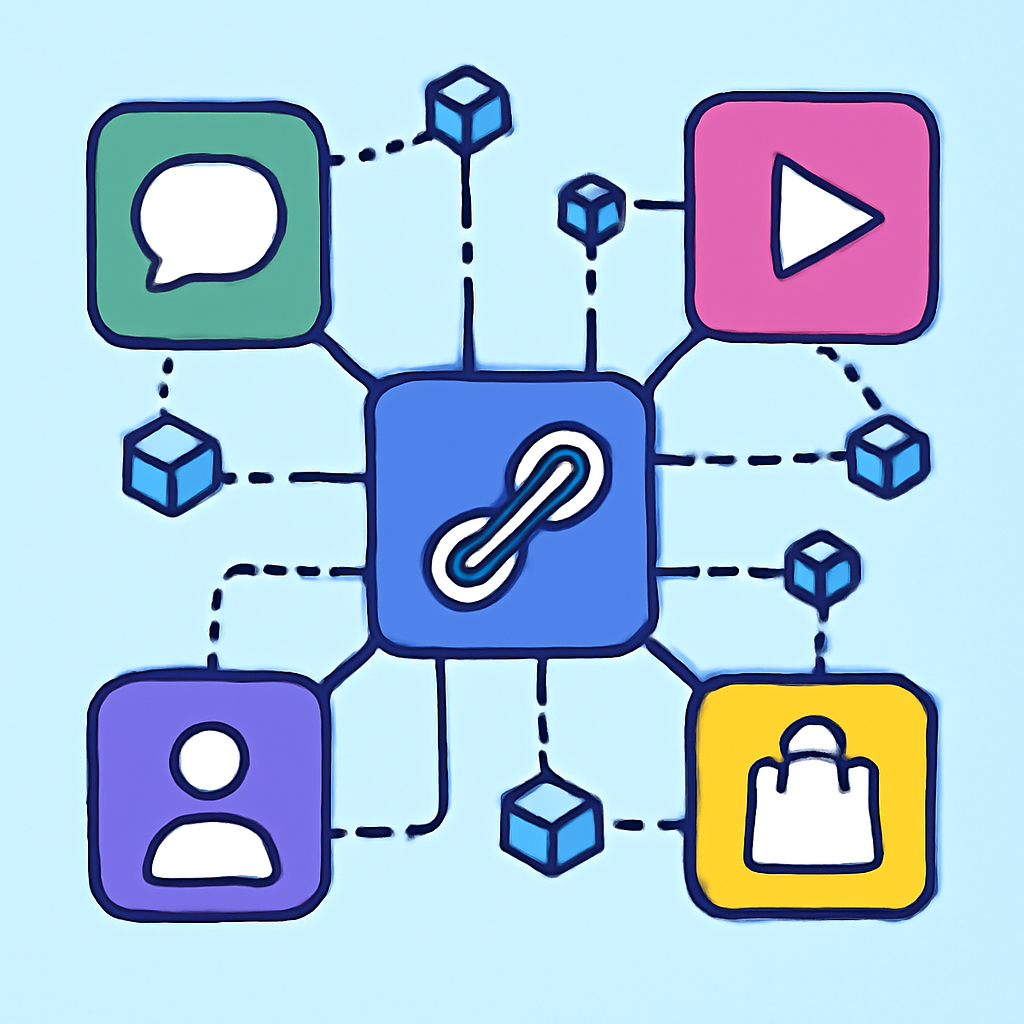
- Interoperability and Ecosystem Integration — Farcaster’s identity model is designed for cross-platform compatibility, allowing users to access multiple apps with a single identity. Lens Protocol’s NFT profiles can be used across any dApp that supports the Lens ecosystem, enabling creator-centric interoperability.
- User Ownership and Monetization — Both protocols prioritize user ownership, but Lens Protocol’s NFT-based approach enables direct monetization (e.g., selling, transferring, or upgrading profiles and content). Farcaster focuses on permissionless access and user data sovereignty, letting users control their social presence across platforms.
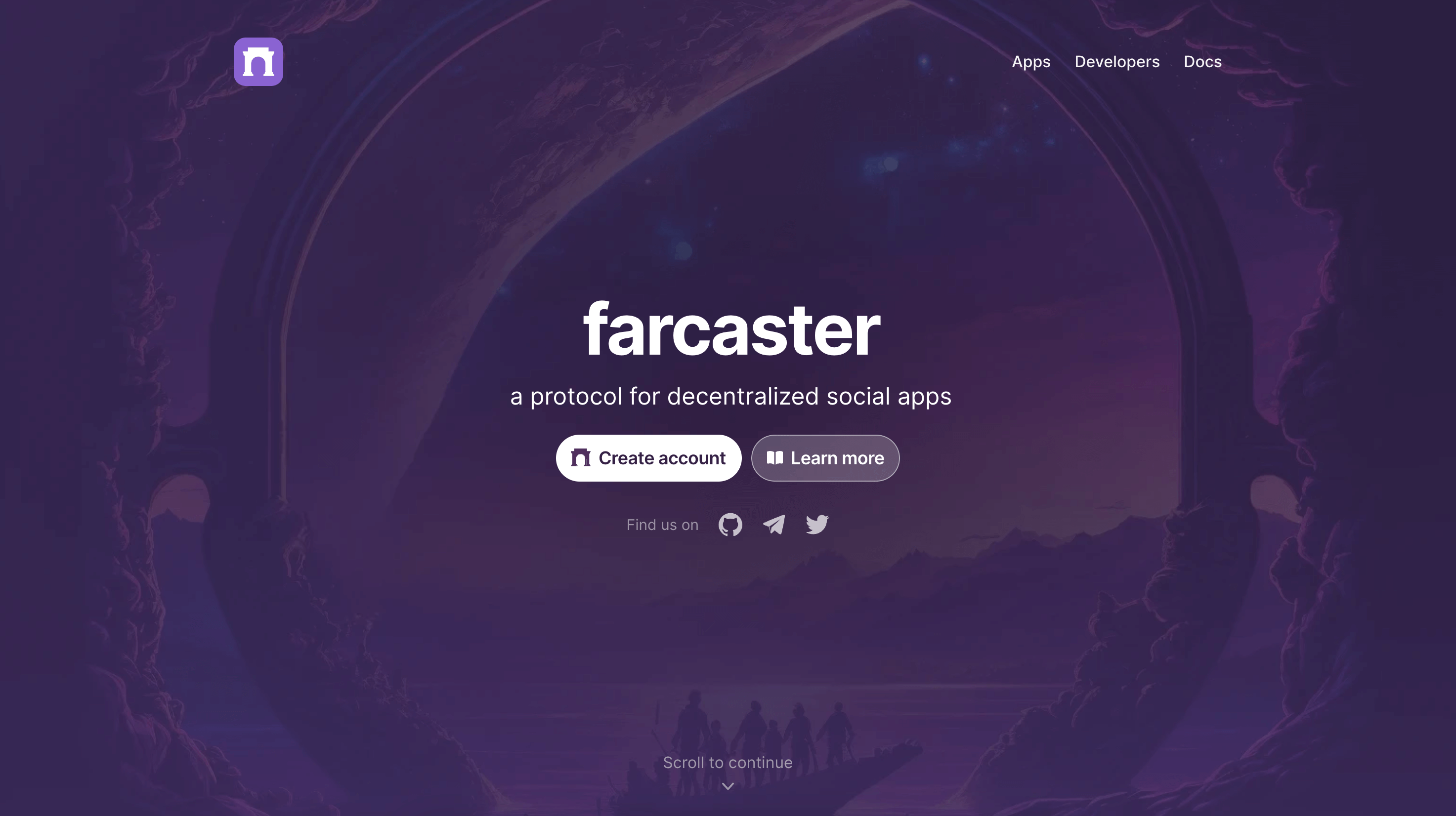
Farcaster, built on Optimism L2, offers robust on-chain identity management and a Twitter-like experience familiar to many. Its off-chain storage layer keeps posts fast and scalable while the protocol ensures seamless interoperability with other blockchain networks.
Lens Protocol, created by the Aave team, lets users mint their profiles as NFTs. This means a user's followers, posts, and even monetization tools are portable across dApps. If your vision centers on creator empowerment or programmable NFTs for content monetization, Lens is a compelling choice.
Your Blueprint: Steps to Build a Decentralized Social App
If you're ready to dive into Web3 social networking development, here's a high-level roadmap:
Build Your Own Decentralized Social Media App with Farcaster or Lens Protocol

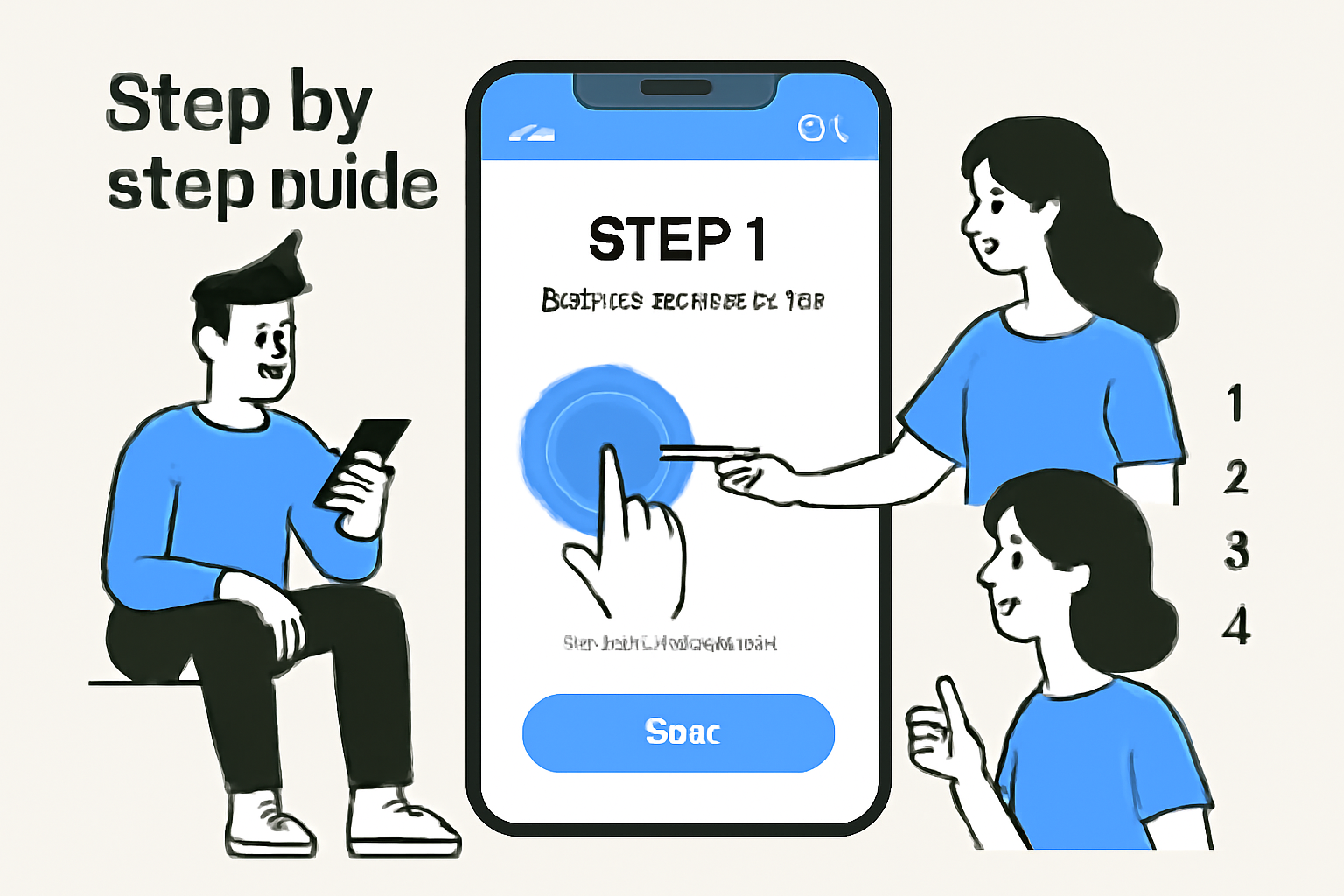
- Define your goals: Will you focus on microblogging? Community forums? NFT-powered creator economies?
- Select your protocol: For rapid feature iteration and integrated identity management choose Farcaster; for NFT-centric profiles and cross-dApp sharing go with Lens.
- Set up your environment: Get familiar with each protocol’s SDKs/APIs, whether you’re working with Farcaster’s hybrid on/off-chain architecture or integrating with the Lens API for profile creation.
- Develop core features: Implement user registration (on-chain for Farcaster or NFT minting for Lens), content posting/sharing modules, and consider adding monetization tools such as tipping or subscription models.
User Experience and Privacy: The Heart of Decentralized Apps
A common pitfall in Web3 app development is overwhelming users with technical jargon or clunky interfaces. The best decentralized apps abstract away blockchain complexity while putting privacy front-and-center. For example:
- User Profiles: Let users control what they share, no forced data harvesting.
- Sovereign Identity: With Farcaster’s on-chain IDs or Lens’s NFT profiles, users take their reputation wherever they go.
- No Vendor Lock-in: Apps interoperate across protocols so users can try new experiences without losing their network.
If you want to see real-world examples in action (and get inspired), check out how Warpcast leverages Farcaster’s open graph to build a thriving Twitter-like experience, all while maintaining user autonomy. For more technical deep-dives on integrating these protocols into your project stack, see our comprehensive guide at /how-to-build-a-decentralized-social-app-using-farcaster-and-lens-protocol.
Building a decentralized social app is not just about replacing centralized feeds with blockchain-backed alternatives. It’s about fundamentally shifting who owns the conversation, who profits from engagement, and how communities self-organize. With Farcaster and Lens Protocol, you’re not just launching another social network - you’re architecting a playground for new forms of digital interaction and creator economies.
Beyond Launch: Scaling, Community, and Monetization
Once your MVP is live, the real work begins. Here’s where successful decentralized social apps set themselves apart:
Top Strategies to Grow a Decentralized Social Community
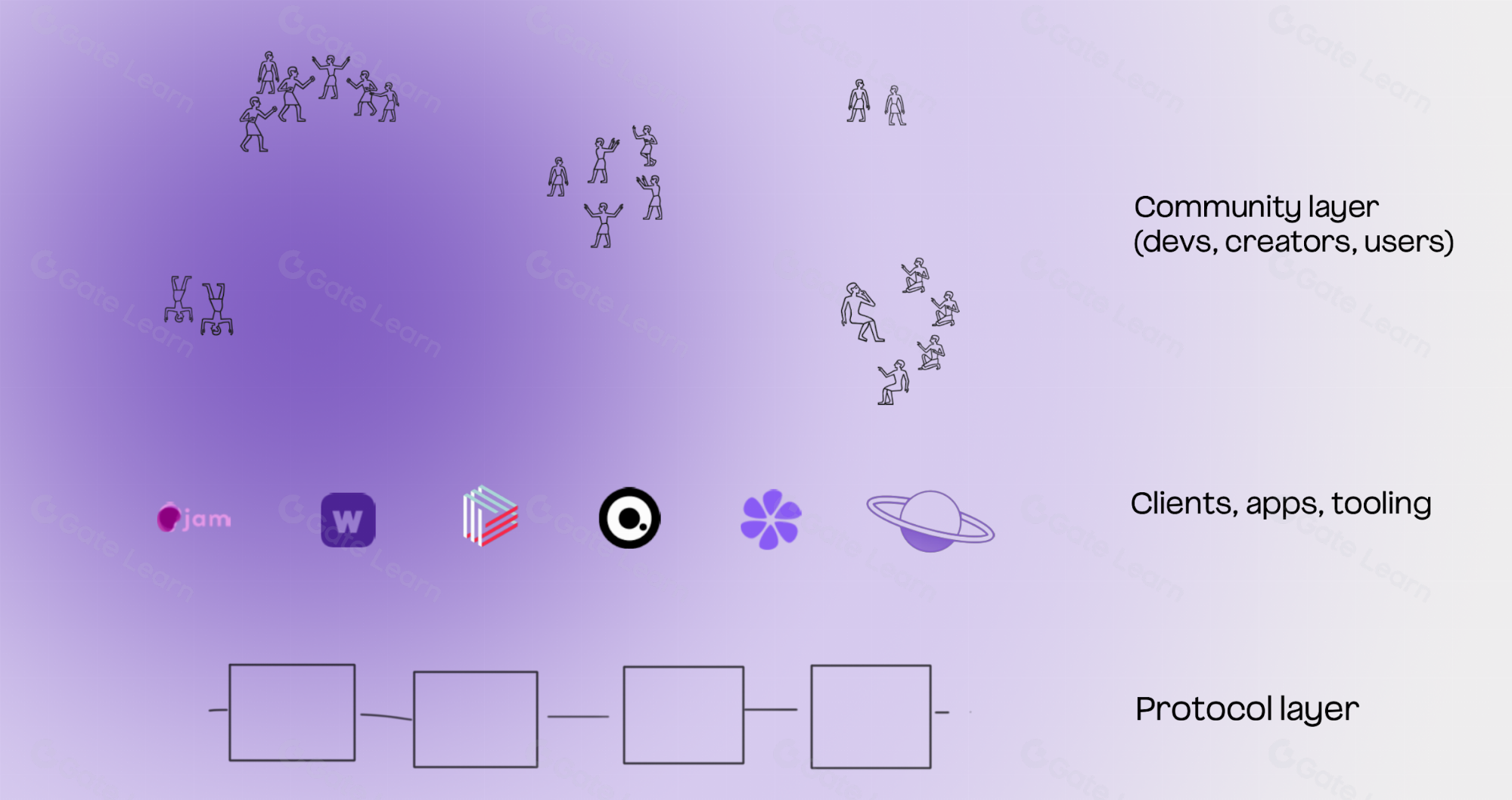
- Leverage Protocol Ecosystems: Build on established decentralized protocols like Farcaster and Lens Protocol to tap into their vibrant, existing user bases and developer communities. This accelerates growth and fosters interoperability across dApps.
- Empower Users with Data Ownership: Highlight features that give users control over their profiles and content—such as NFT-based profiles on Lens Protocol—to attract privacy-conscious and creator-focused audiences.
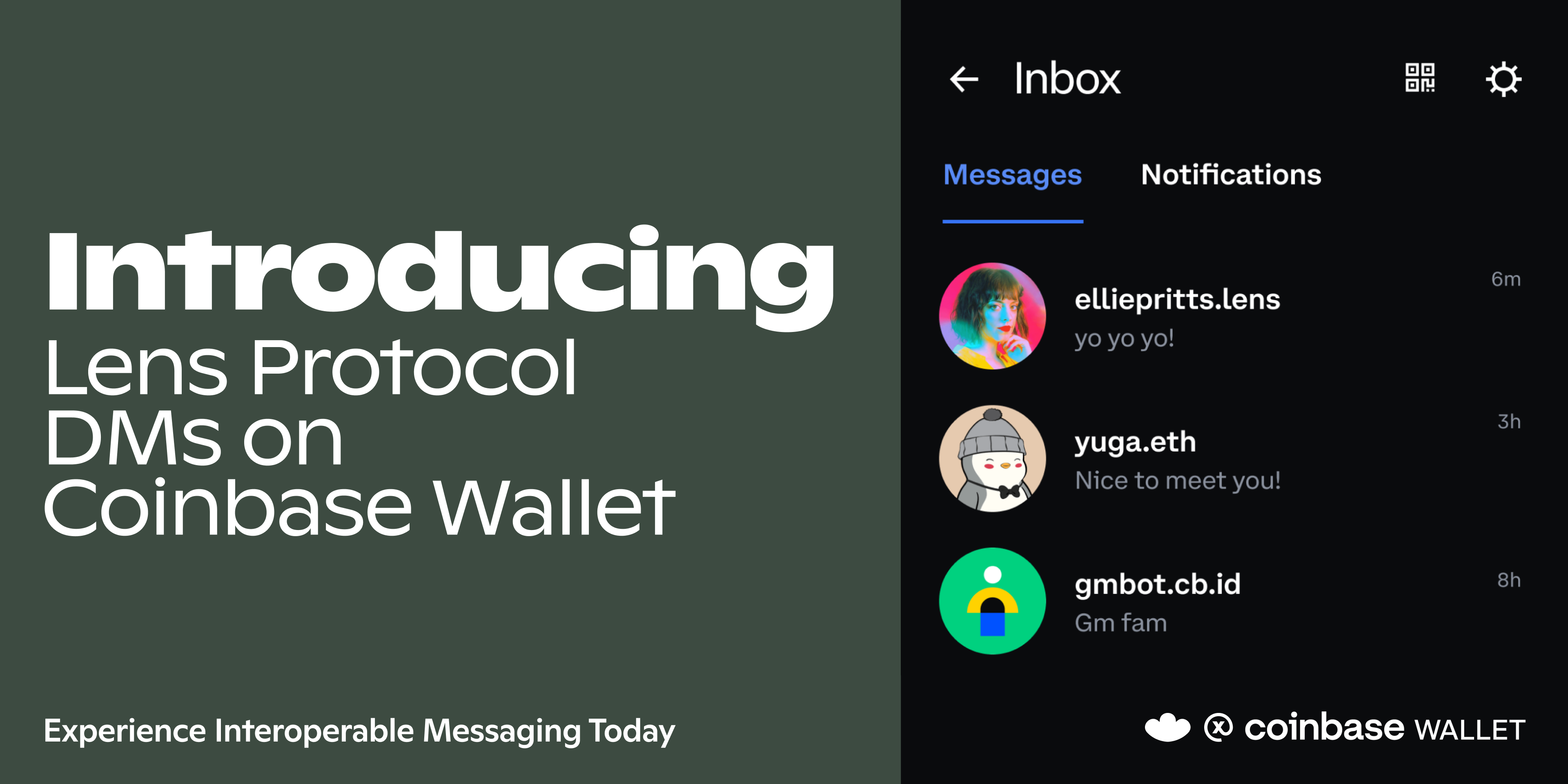
- Integrate Monetization Tools: Enable creators to earn via NFT minting, tipping, or subscriptions. Utilizing Lens Protocol's built-in monetization features can incentivize high-quality content and sustained engagement.
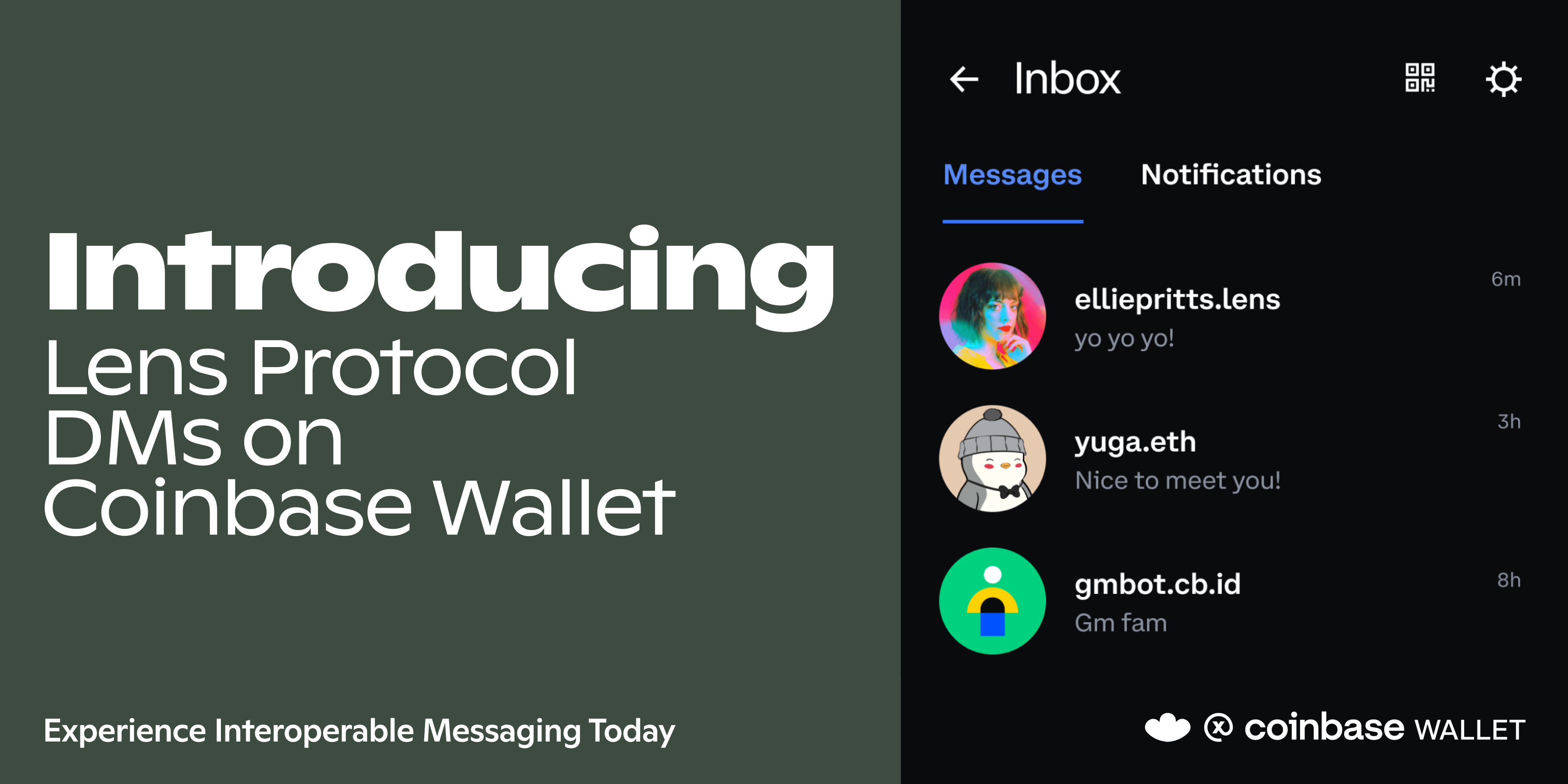
- Foster Community Governance: Implement DAO structures or on-chain voting, allowing users to influence platform decisions. This increases user investment and loyalty within decentralized social spaces.
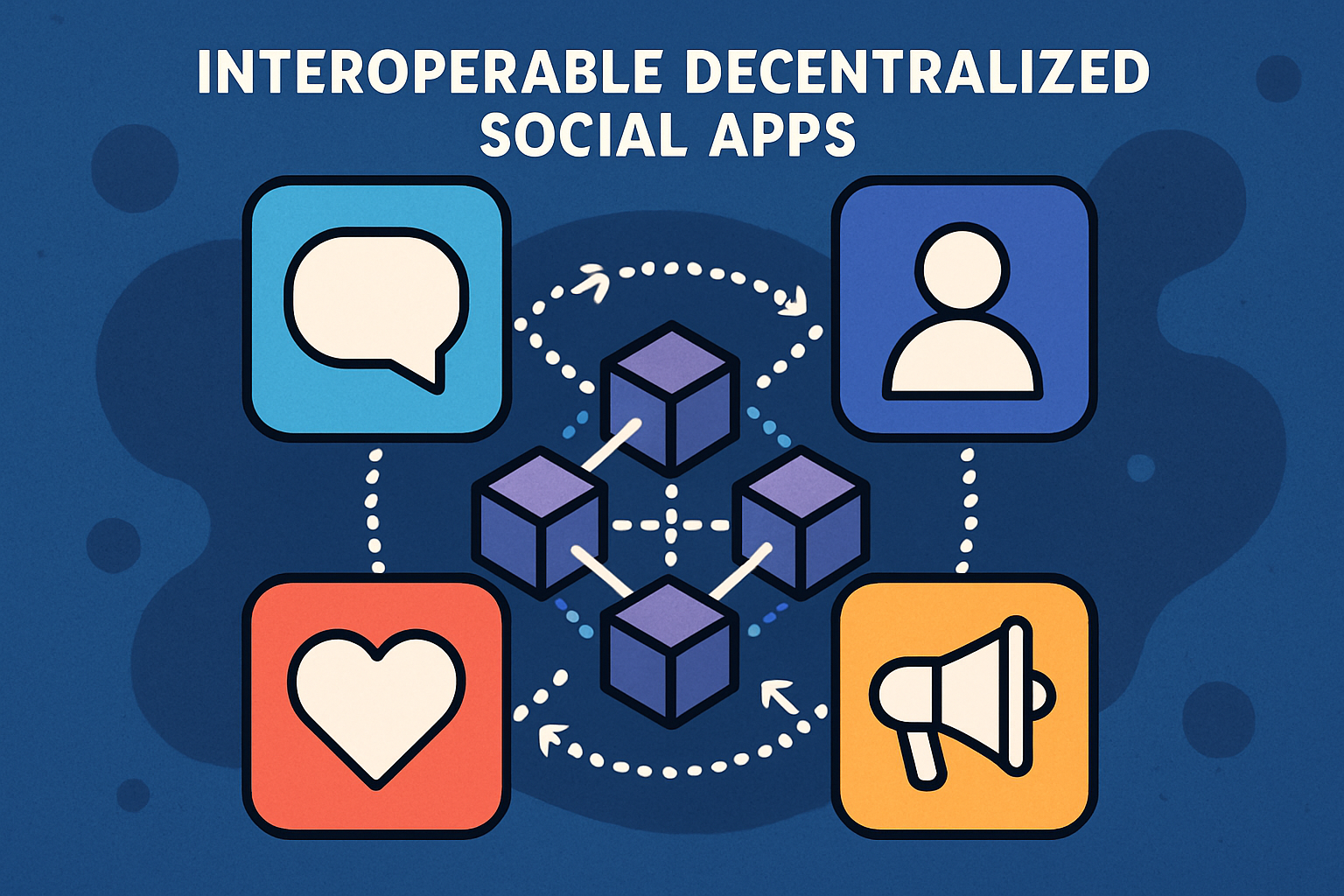
- Promote Interoperability: Design your platform to connect seamlessly with other dApps and protocols, leveraging open APIs and standards. This expands your community’s reach and utility.
- Host On-Chain Events and Campaigns: Organize NFT drops, AMAs, or collaborative content challenges using smart contracts to drive user participation and excitement.
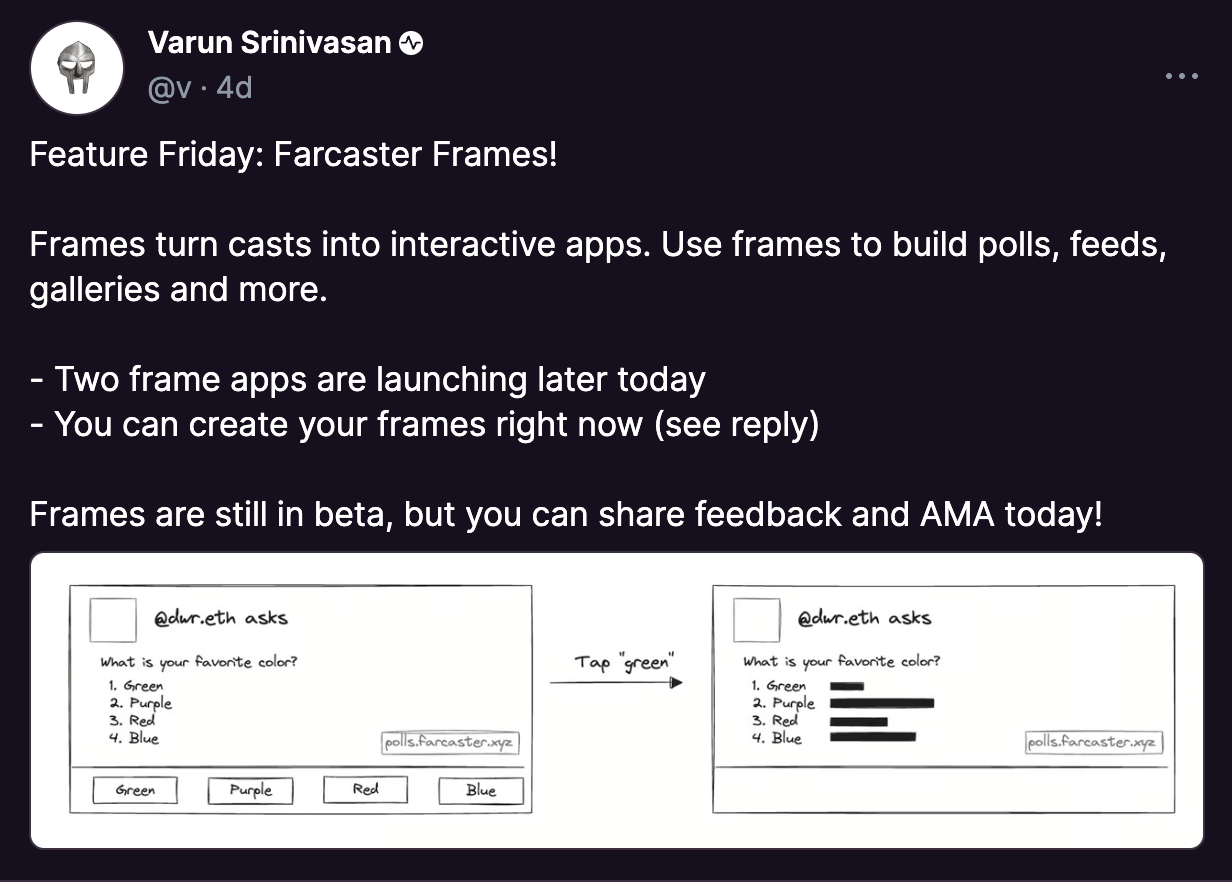
- Prioritize User Experience: Develop intuitive interfaces that abstract blockchain complexities—like using Frames in Farcaster—to ensure smooth onboarding and daily use for all.
- Engage with Developer Communities: Actively participate in forums, hackathons, and open-source collaborations around Farcaster and Lens Protocol to stay ahead of trends and attract early adopters.
Onboarding and Education: Simplify wallet setup and profile creation. Consider guided flows or social login bridges to lower friction for non-crypto natives.
Community Building: Foster active governance by letting users propose features or moderate content via token-weighted voting. Early power users can become evangelists if they feel true ownership.
Monetization Models: With Lens Protocol, experiment with NFT gating, creator DAOs, or subscription-based publications. On Farcaster, try micropayments for premium posts or tipping via integrated crypto wallets. The key is aligning incentives so creators and curators are rewarded without extracting value from user data.
Security and Privacy in Practice
Privacy isn’t a buzzword in Web3 - it’s a design principle. Both protocols let you build apps that minimize data exposure by default:
- End-to-end encryption: For DMs or private groups, consider integrating on-chain or off-chain encryption layers.
- User-controlled data portability: Allow exporting profiles or content so users can migrate between dApps at will.
- No centralized backdoors: Smart contracts enforce rules transparently; there are no hidden admin panels to compromise user trust.
Interoperability: The Secret Sauce of Web3 Social
The most exciting frontier? Your app doesn’t exist in isolation. By tapping into Farcaster’s open graph or Lens’s composable NFT profiles, developers can build features that connect users across multiple platforms - think cross-app notifications, shared follower lists, or collaborative publishing tools. This interoperability is what makes the Web3 social stack so much more than a collection of siloed clones of legacy apps.
Tips from the Trenches: Developer Insights
The Farcaster and Lens developer communities are vibrant - don’t build in isolation! Join protocol Discords, share your progress on Warpcast or with #LensProtocol on Twitter/X. Many teams open-source their UI kits or smart contract modules to accelerate adoption across the ecosystem.
If you’re ready to go deeper into decentralized social media app development - from handling gas fees to optimizing off-chain storage - check out our detailed technical breakdown at /how-to-build-decentralized-social-apps-using-farcaster-and-lens-protocol-apis.
The next wave of the internet is composable, user-owned, and permissionless. Whether you’re prototyping your first dApp or scaling a thriving community on Farcaster or Lens Protocol, remember: every block you write is another step toward an internet that works for its users - not just its shareholders.




No comments yet. Be the first to share your thoughts!