
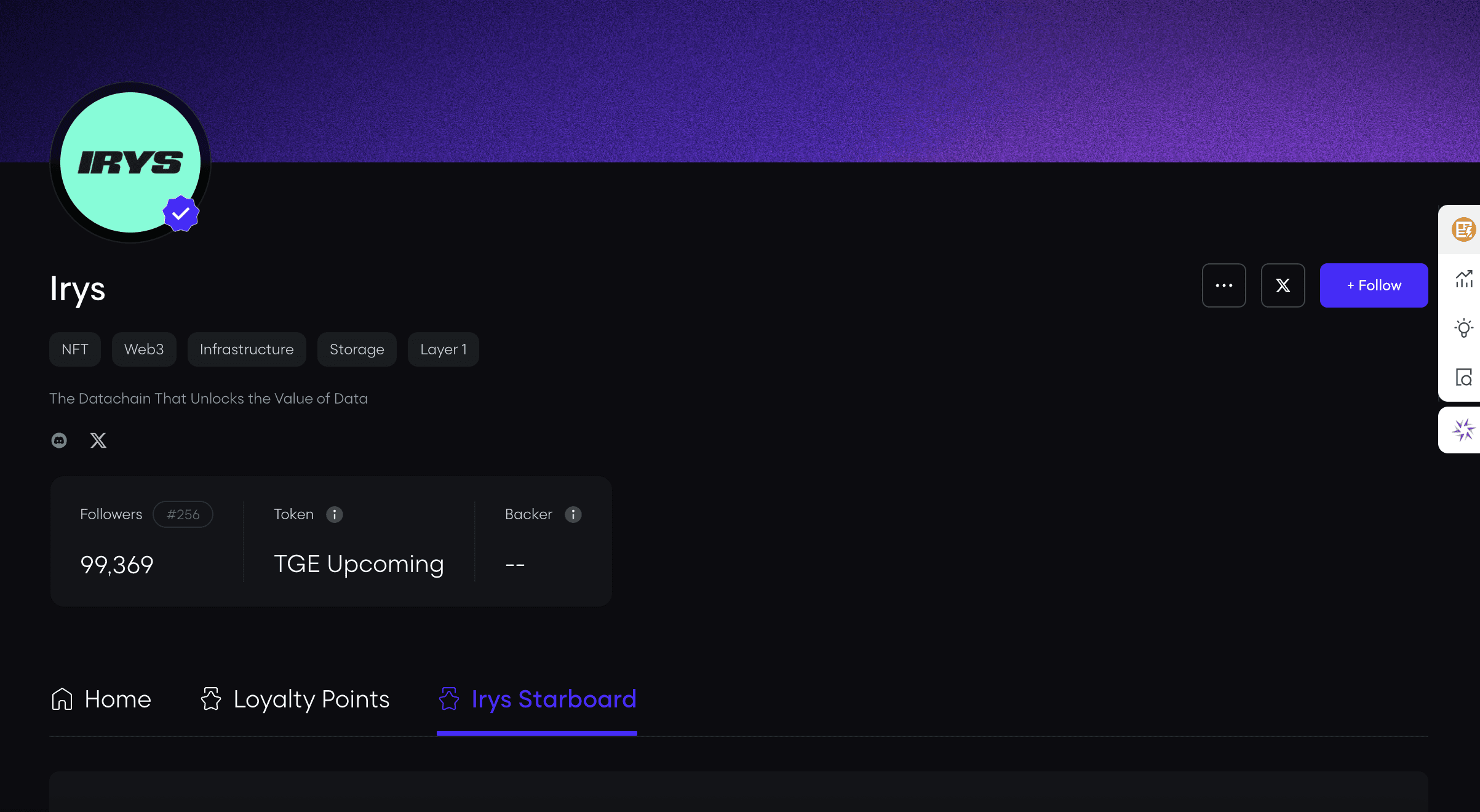
The Lens Protocol Irys partnership is poised to redefine the architecture of decentralized social media. By combining Lens’s composable social graph with Irys’s permanent, programmable, and verifiable storage, Web3 social data can achieve a level of persistence and transparency previously unattainable. This collaboration arrives at a pivotal moment: as user demand for privacy, data sovereignty, and censorship resistance intensifies, the market is searching for robust infrastructure that can deliver on these promises at scale.
Why Permanent Social Data Changes Everything
Traditional Web2 platforms store user data in centralized silos, making it vulnerable to censorship, loss, or manipulation. In contrast, the partnership leverages Irys’s permanent storage layer, which anchors content across a distributed network. This ensures that every post, comment, and interaction on Lens-powered dApps is memory enabled: tamper-proof and accessible indefinitely. As Dr. OVG noted on X (formerly Twitter), this could make Web3 social media truly persistent, every piece of content becomes part of an immutable public ledger.
This new paradigm unlocks several core benefits for users and developers:
5 Ways Permanent Decentralized Storage Transforms Web3 Social
- 1. True Data Sovereignty for Users: By leveraging Lens Protocol with Irys's permanent storage, users gain full ownership and control over their social data. Content is stored on decentralized networks, making it immune to unilateral deletion or modification by centralized authorities.
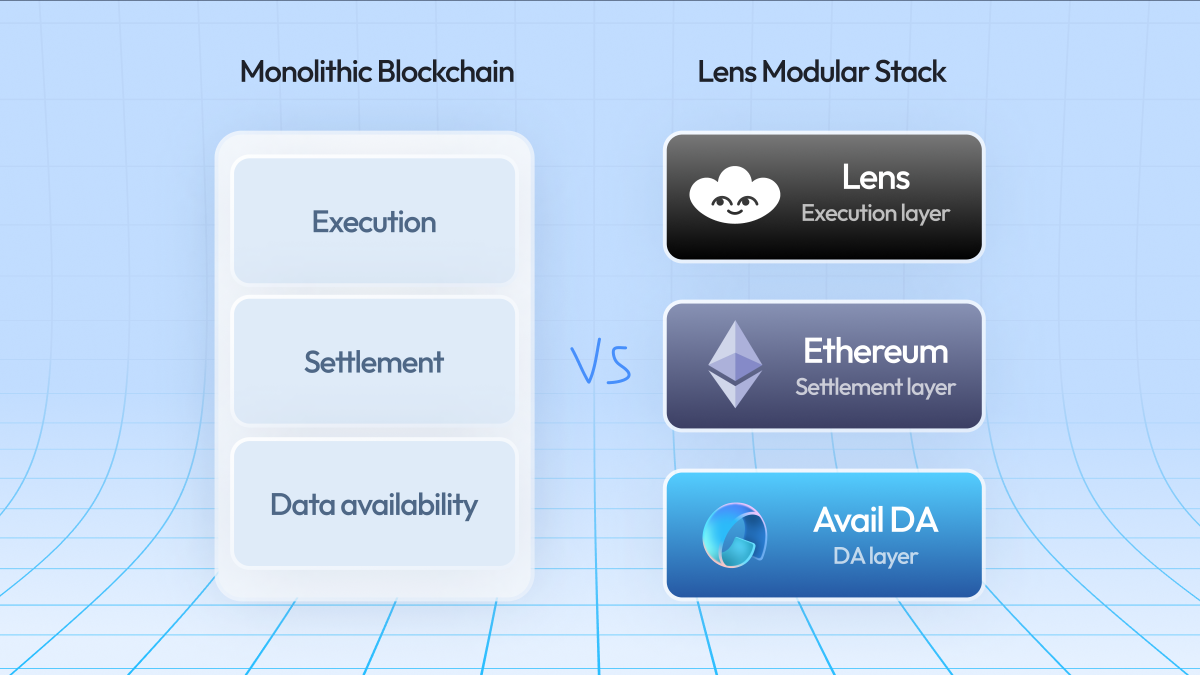
- 2. Censorship Resistance and Content Permanence: Content published via Lens and stored on Irys and Arweave is tamper-proof and censorship-resistant. Even if a platform interface is restricted, the underlying data remains accessible and verifiable on-chain, ensuring freedom of expression.

- 3. Programmable and Verifiable Social Interactions: Irys introduces programmable data chains, enabling smart contracts to interact directly with social data. This allows for automated moderation, rewards, and advanced dApp features, all with verifiable on-chain records.
- 4. Scalable, Cost-Efficient Social Activity: The Momoka scaling solution processes most transactions off-chain while anchoring data on Irys and Arweave. This dramatically reduces transaction costs and increases throughput, allowing Web3 social platforms to rival traditional social media in speed and affordability.
- 5. Enabling Rich, AI-Driven Social Insights: With permanent, accessible storage, AI and analytics tools can derive verifiable insights from social interactions. Irys’s infrastructure supports real-world data anchoring, making it possible to build advanced, transparent analytics for Web3 communities.

Pushing Web3 Social Infrastructure to Scale: The Momoka Solution
The introduction of Momoka, a novel scaling solution developed by Lens in collaboration with Irys and Arweave as data availability layers, addresses one of the greatest bottlenecks in blockchain-based social networks: transaction throughput and cost. By processing most transactions off-chain but anchoring them to permanent storage via Irys, Momoka enables near-instant posting speeds and dramatically reduces gas fees, approaching the efficiency levels of mainstream platforms.
This hybrid model means that users experience seamless interactions while benefiting from the security guarantees of decentralized infrastructure. According to recent coverage (bundlr.mirror.xyz), this approach positions Lens to compete directly with legacy platforms without sacrificing its ethos of user empowerment.
Programmable Social Graphs: More Than Just Storage
Irys does more than just store data, it introduces the concept of programmable data chains. Data is not only written immutably but can also be accessed, verified, and even updated through smart contracts. For Lens developers building dApps on top of this stack, this means social graphs become dynamic programmable objects rather than static records.
The implications are significant: imagine automated moderation tools that verify content authenticity on-chain or creator economies where royalties are distributed programmatically based on immutable engagement metrics. These features are only possible when both the social layer (Lens) and the storage layer (Irys) are fully composable and verifiable.
By leveraging Irys’s programmable storage, the Lens Protocol ecosystem can unlock a new class of decentralized applications that go far beyond simple data retention. Developers now have the ability to build social dApps where user content, relationships, and interactions are not only stored permanently but can also be queried and interacted with in ways that were previously impossible on Web2 or even most Web3 stacks. For instance, decentralized identity verification, cross-app reputation systems, and on-chain governance mechanisms all become feasible at scale.
Data composability becomes a core feature: content published on one Lens-powered app can be seamlessly referenced or reused by another without risking data loss or fragmentation. This is a direct consequence of Irys’s distributed data availability model, which ensures every piece of social data remains accessible and verifiable over time. The result is a vibrant ecosystem where innovation compounds as each new application can build atop the shared social substrate.
Real-World Impact: Censorship Resistance and Data Sovereignty
The practical consequences of this partnership are already visible. With user-generated content anchored to Irys’s decentralized network, censorship resistance is fundamentally enhanced. No single entity can erase or alter posts retroactively, a sharp contrast with traditional platforms that retain full editorial control over user data.
This shift toward data sovereignty gives users unprecedented ownership rights: profiles, posts, and connections are cryptographically secured and portable across dApps. The implications for creators are profound, no more platform lock-in or risk of losing audiences to arbitrary bans. For communities vulnerable to deplatforming or information suppression, this architecture provides a verifiable record immune to tampering.
What’s Next for Web3 Social Infrastructure?
The Lens Protocol Irys partnership signals the maturation of Web3 social infrastructure from experimental to production-ready. By combining high throughput (enabled by Momoka) with decentralized permanence (powered by Irys), Lens is laying the groundwork for a new generation of social networks that are open, programmable, and resilient.
This model isn’t just theoretical, it’s being rapidly adopted across developer communities seeking alternatives to centralized gatekeepers. As more projects leverage this stack, expect an explosion of innovation in decentralized identity management, creator monetization models, and cross-platform interoperability.
4 Future Trends in Programmable Decentralized Social Graphs
- Permanently Verifiable Social Content: Lens’s integration with Irys enables permanent, tamper-proof storage of posts, profiles, and interactions. This ensures that user-generated content remains accessible and verifiable on-chain, dramatically reducing risks of data loss or censorship.
- Programmable Social Interactions via Smart Contracts: With Irys’s programmable data chains, social actions (follows, posts, likes) on Lens can trigger automated, composable smart contract logic. This opens the door to SocialFi applications like on-chain tipping, gated content, and decentralized reputation systems.
- Scalable, Low-Cost Social Data Infrastructure: The Momoka scaling solution leverages Irys and Arweave for off-chain data processing, allowing Lens to achieve transaction throughput comparable to major Web2 social platforms while maintaining lower fees and faster user experiences.
- Enhanced Data Sovereignty and User Ownership: By anchoring social graphs and content on Irys’s decentralized storage, users retain full control over their identity and data. This strengthens privacy, enables true data portability between dApps, and increases resistance to centralized deplatforming.
The convergence of scalable off-chain processing with permanent on-chain storage sets a new standard for what users should expect from their digital communities provides true ownership, verifiability, and freedom from centralized control. As the partnership continues to evolve, it will likely serve as the blueprint for future collaborations aiming to bring permanence and programmability to all corners of Web3 social infrastructure.

No comments yet. Be the first to share your thoughts!