
Decentralized social platforms are evolving at a breakneck pace, and Farcaster is at the forefront thanks to its innovative approach to on-chain interactivity. What began as a simple experiment with Frames in early 2024 has matured into a robust ecosystem of Mini Apps, fundamentally changing how users interact, trade, and transact within their social feeds. The shift from static content to dynamic, interactive applications is not just a technical upgrade - it’s a paradigm shift that’s rewriting the rules for Web3 social platforms.
From Farcaster Frames to Mini Apps: The Journey to Embedded On-Chain Utility
Frames were Farcaster’s first foray into embedding lightweight, interactive elements directly inside the social feed. At launch, users could mint NFTs or vote in polls without ever leaving their client. But as the appetite for richer experiences grew, so did the limitations of Frames: small canvas, restricted interactions, and a lack of persistence for more complex workflows.
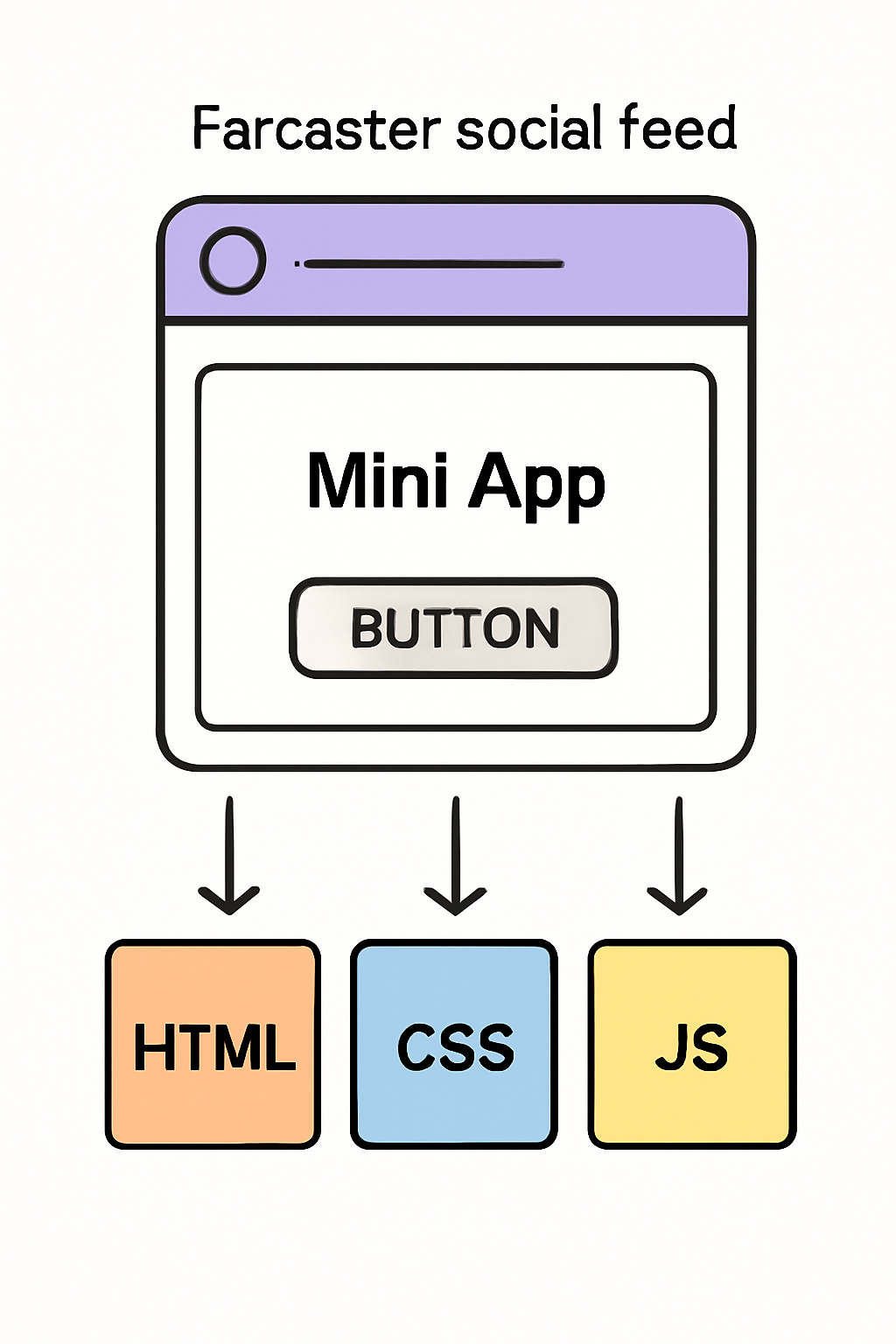
Recognizing these constraints, Farcaster shipped Frames v2 in April 2025 and rebranded them as Mini Apps. This wasn’t just a cosmetic update. Mini Apps now allow developers to build full-screen, app-like experiences using familiar web technologies (HTML, CSS, JavaScript), all running natively inside the Farcaster interface. The result? Users can now mint, trade, play, and transact - all without ever breaking their social flow.
This leap in functionality has made Farcaster a magnet for both developers and users seeking frictionless, on-chain engagement. The numbers back this up: after the Mini Apps launch, daily unique casters on Farcaster skyrocketed from roughly 2,400 to 19,100 within a single week (source). That’s not hype - that’s product-market fit in action.
Mini Apps: Native-Like Experiences, On-Chain Power
So what exactly can you build with Mini Apps on Farcaster? The answer: just about anything you can imagine for on-chain social. Developers now have a toolkit to deliver:
Top Use Cases for Farcaster Mini Apps
- NFT Minting Directly in Social Feeds: Farcaster Mini Apps allow users to mint NFTs without leaving their social feed, streamlining the process and boosting engagement. Notable projects like Warpcast have integrated NFT minting Frames, making digital collectibles accessible to all users.
- Token Launches and Airdrops: With Mini Apps, developers can launch new tokens or distribute airdrops seamlessly within Farcaster. Apps like Flaunch enable users to participate in token launches and share in trading fees, all from the social platform.
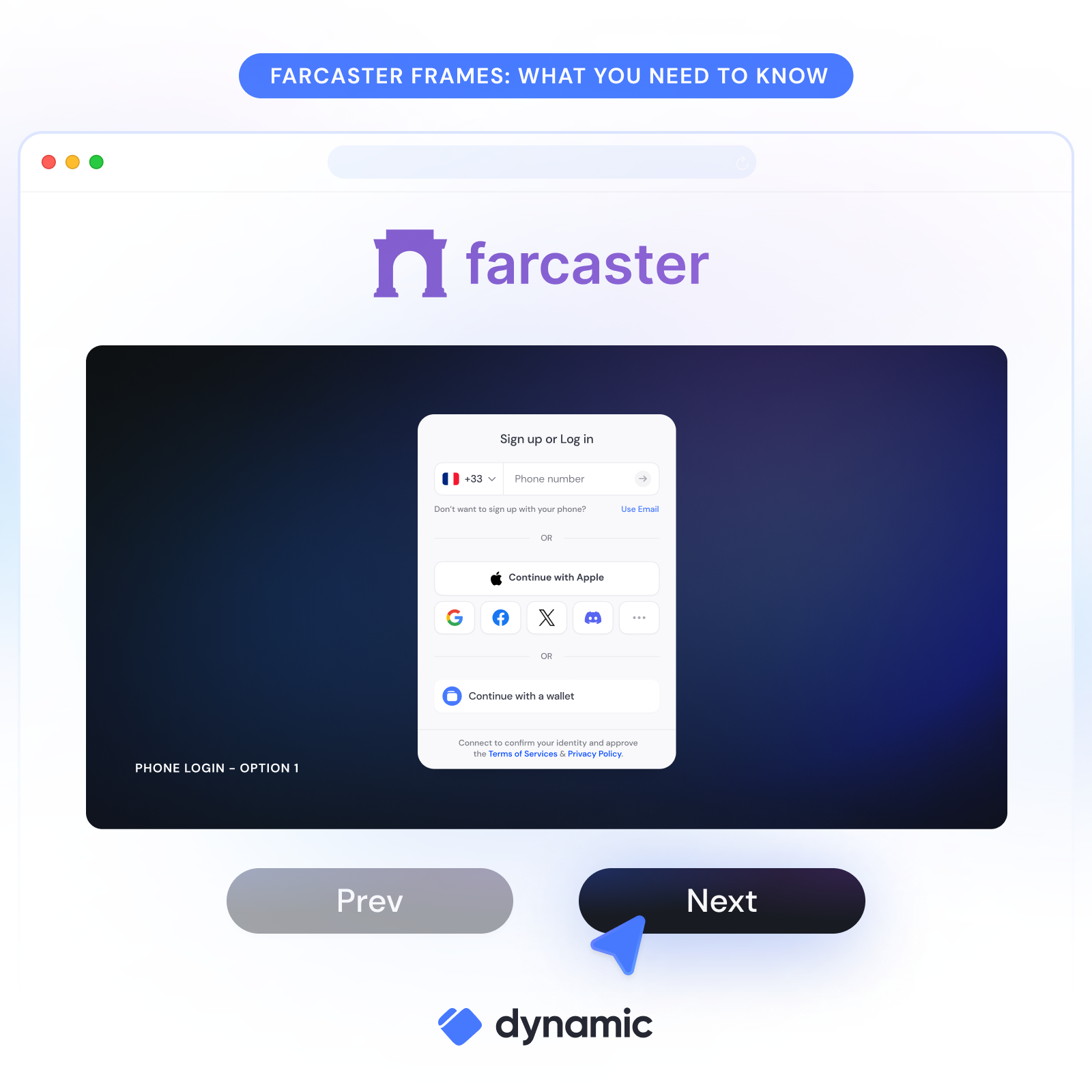
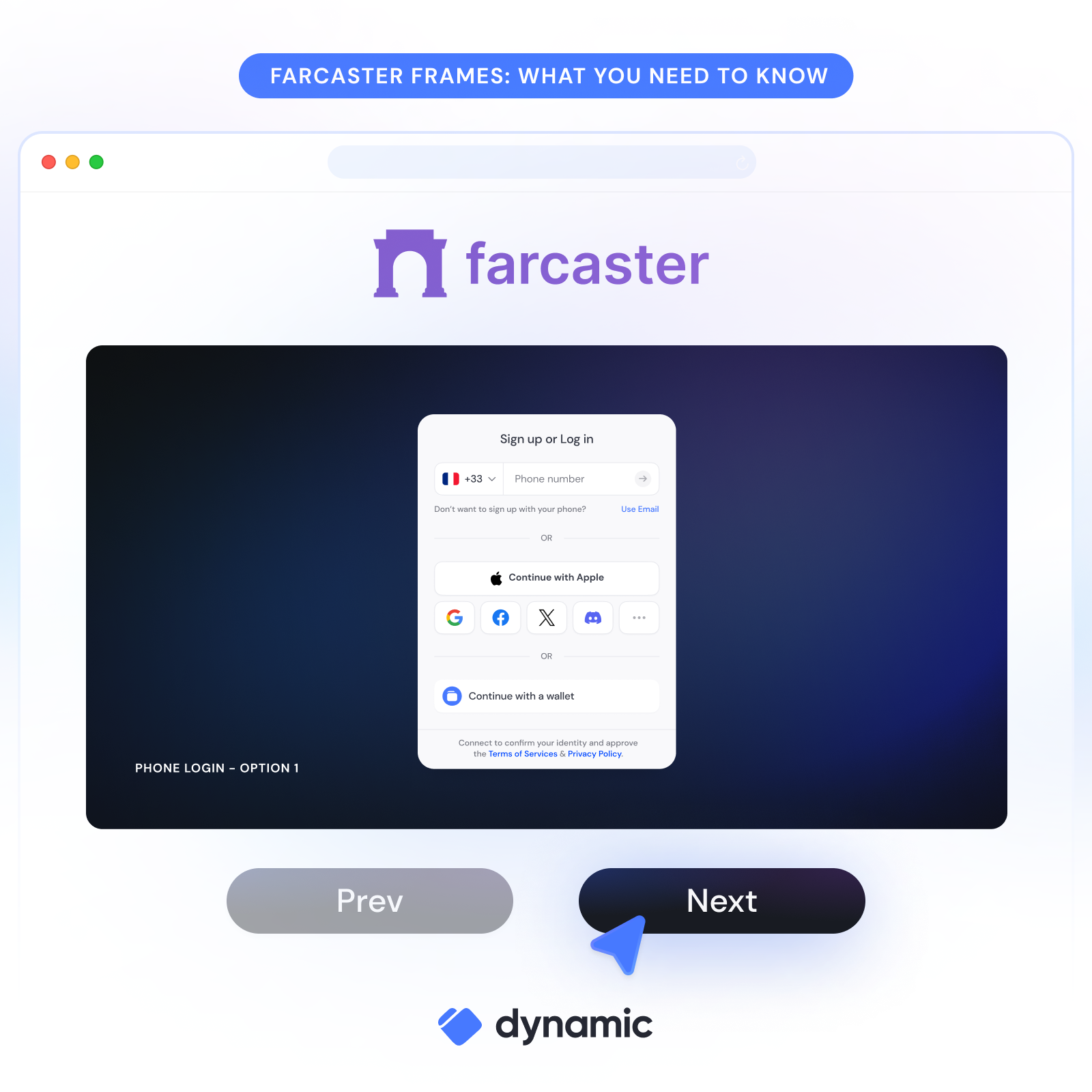
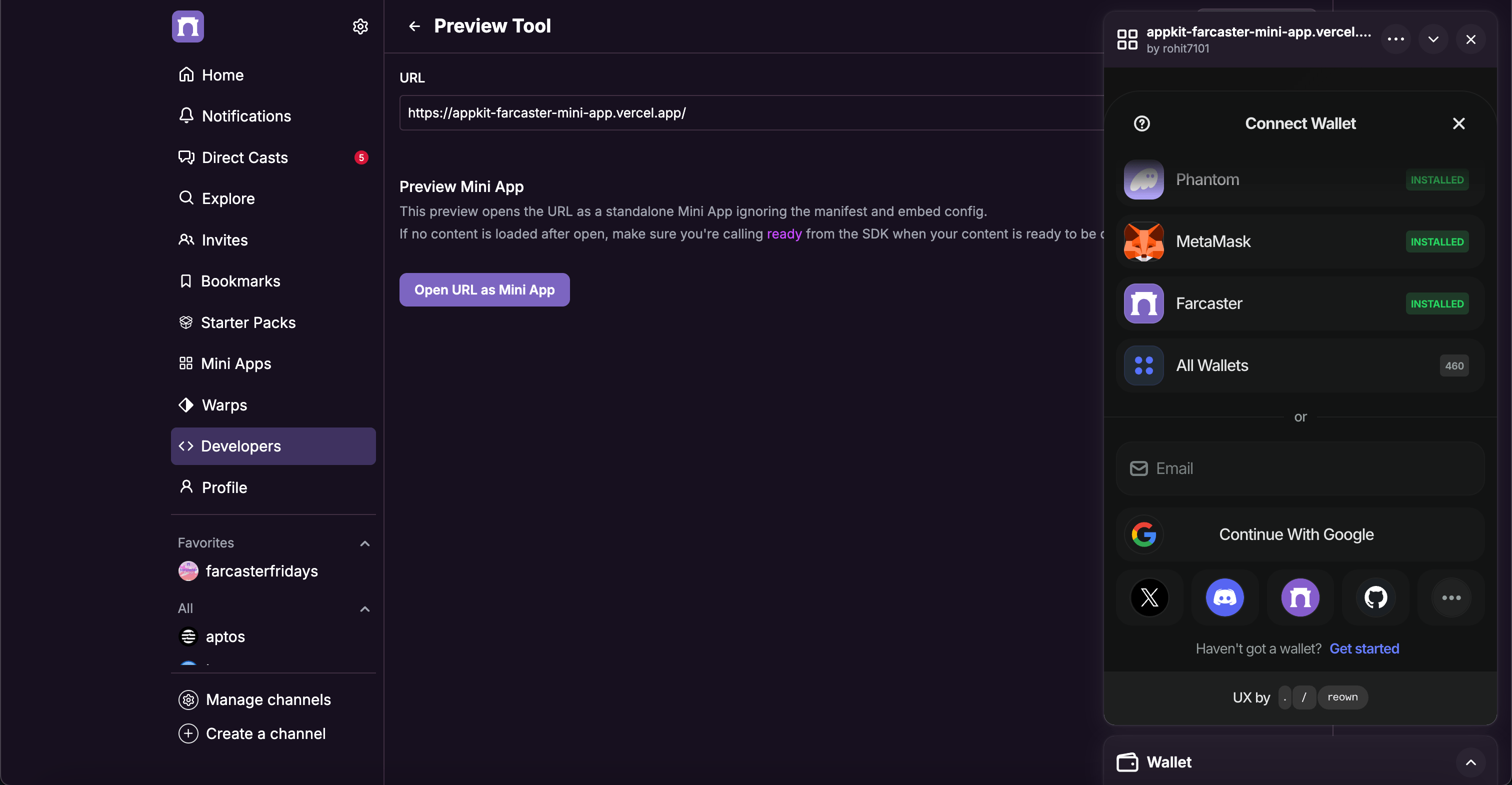
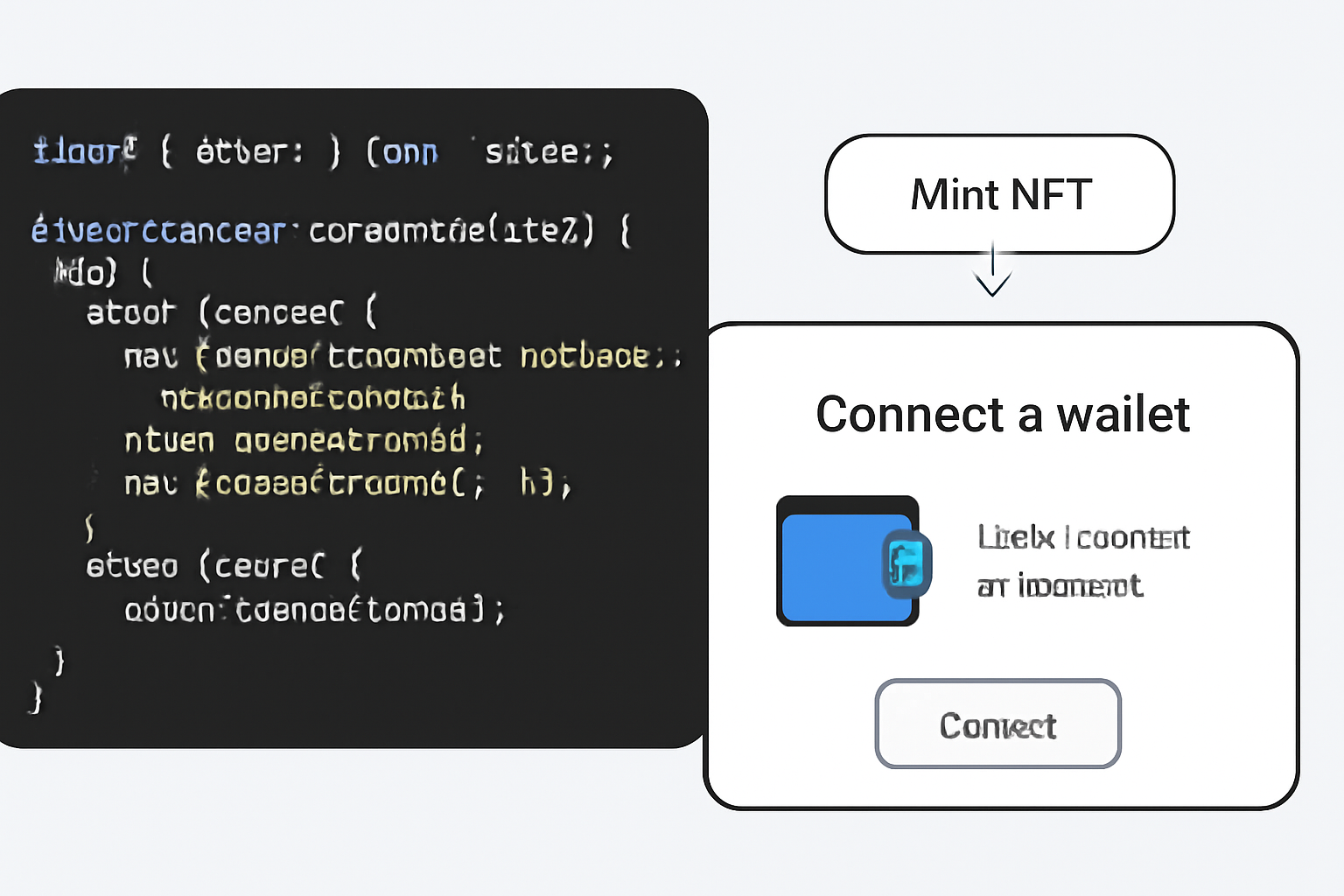
- Wallet Integrations and Onboarding: Mini Apps support seamless wallet connections, including email and social logins, through platforms like Reown Appkit. This lowers the barrier for new users and enables secure on-chain transactions within Farcaster.
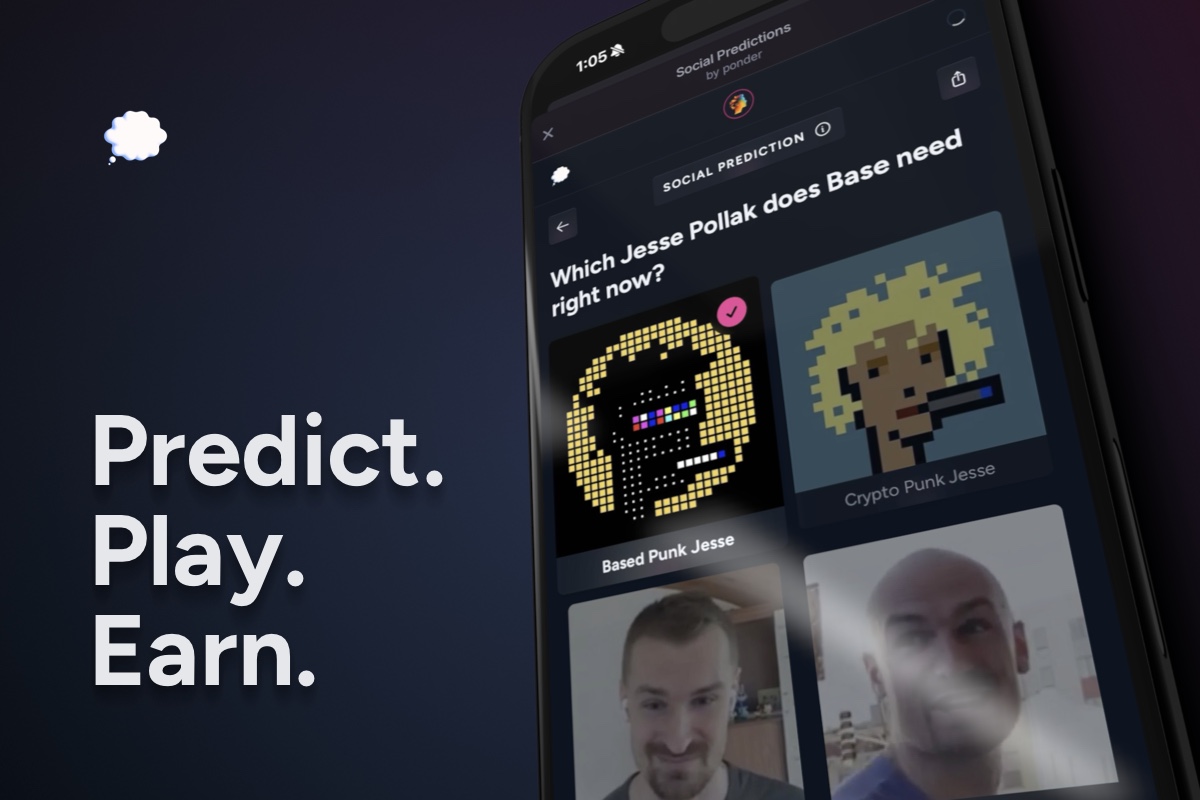
- On-Chain Games and Interactive Experiences: Developers are building full-screen, interactive games and prediction markets as Mini Apps, leveraging Farcaster’s social graph for viral growth and engagement. These experiences are powered by the platform’s support for HTML, CSS, and JavaScript.
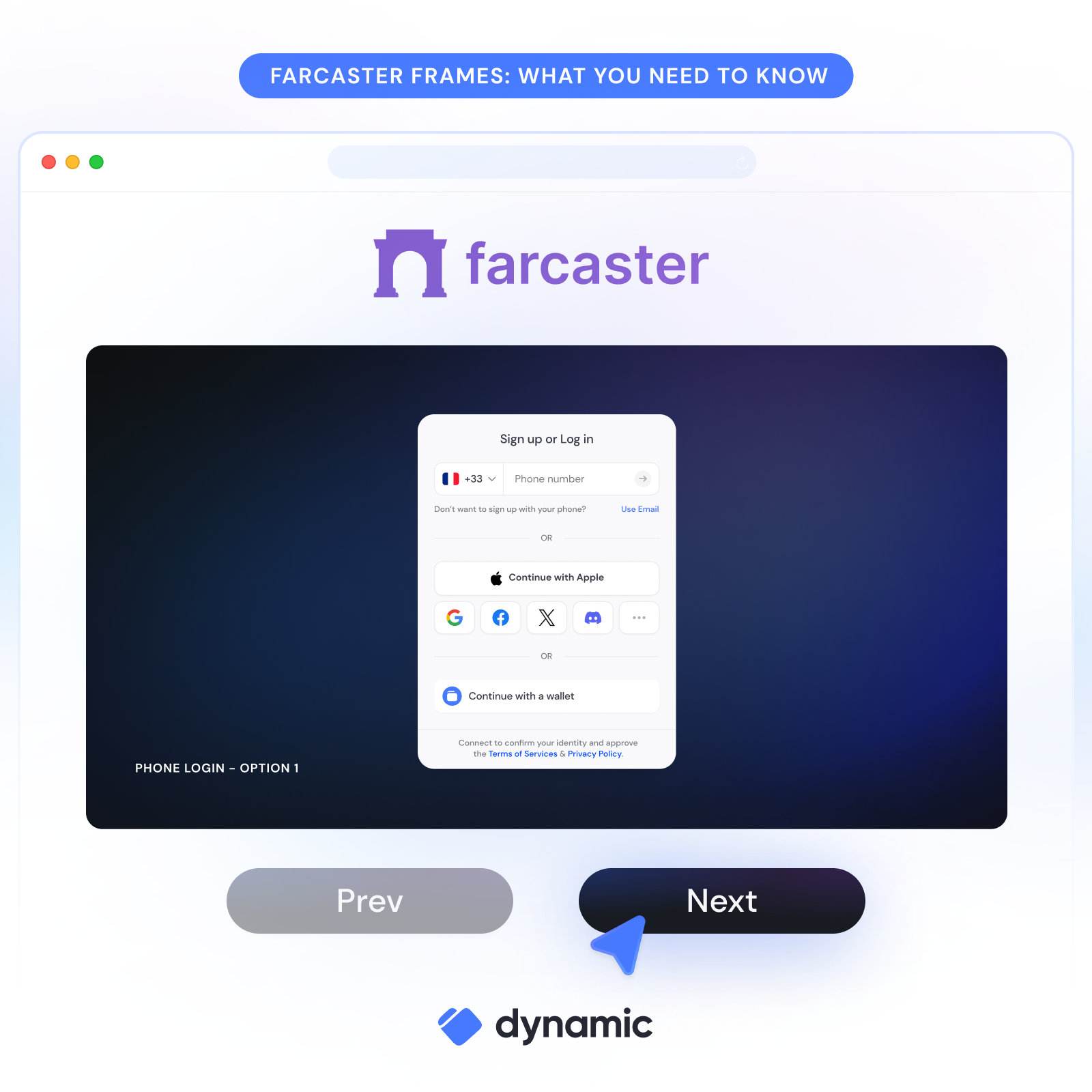
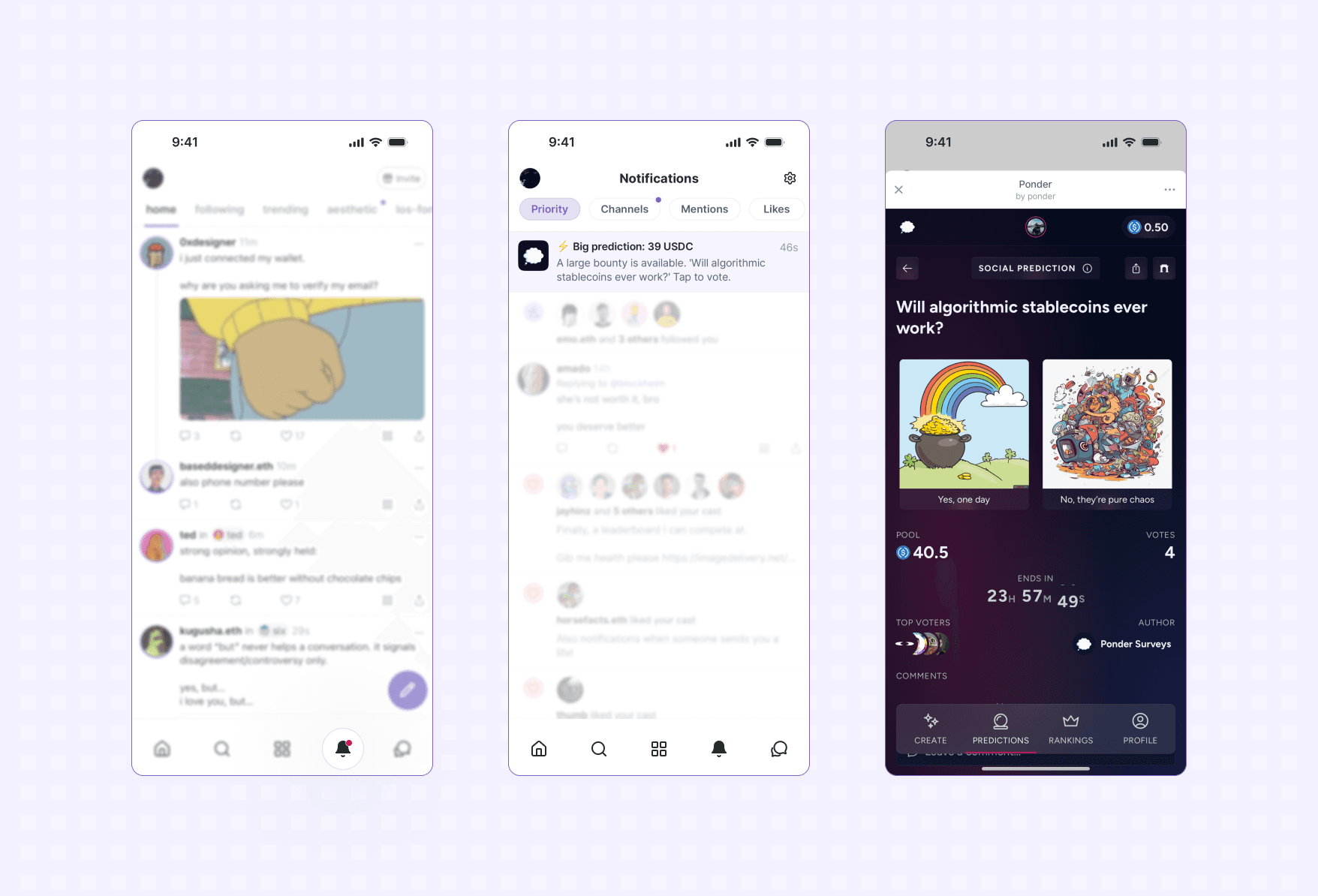
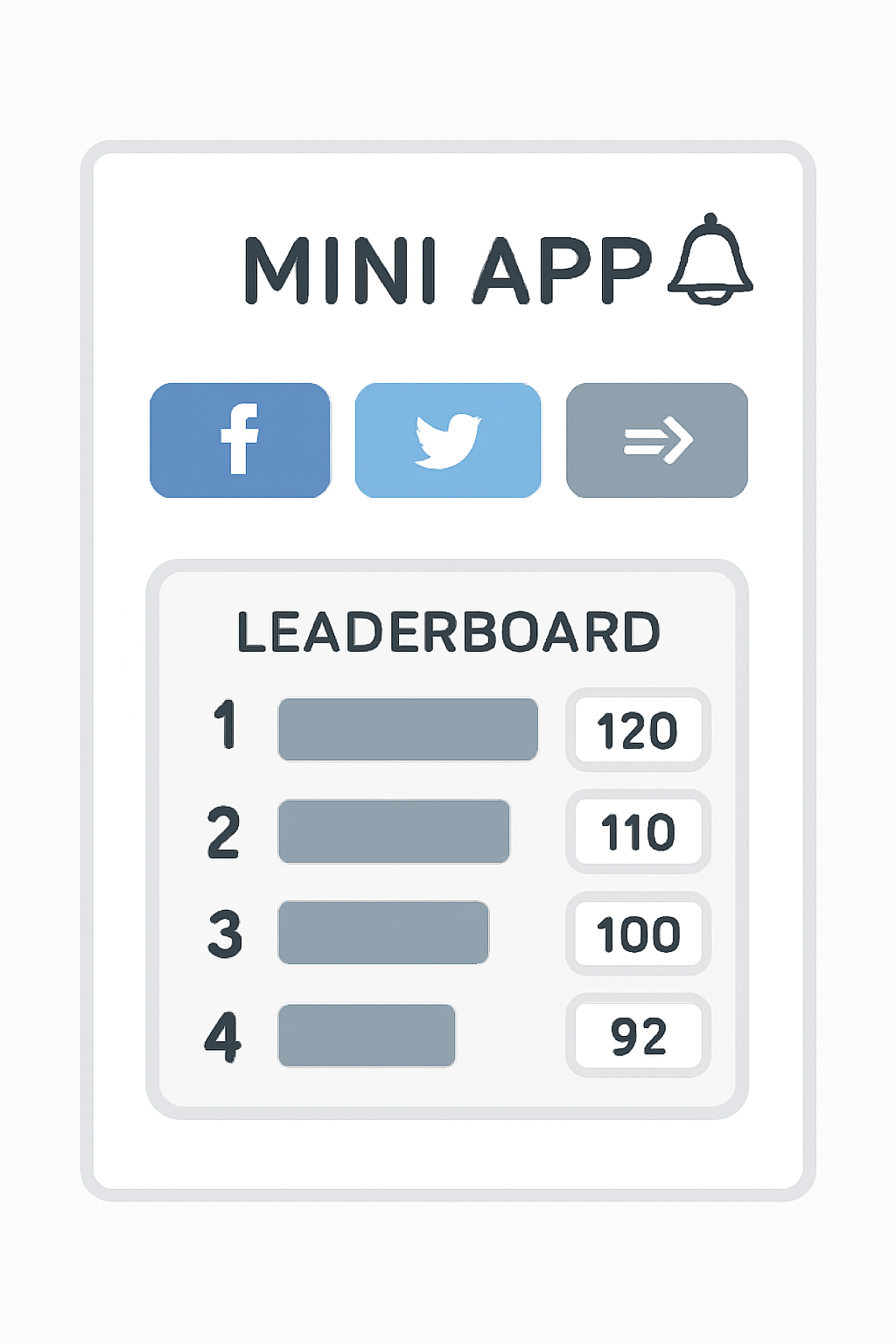
For example, with wallet integration powered by the likes of Reown Appkit or x402 MiniKit, users can connect hundreds of wallets and socials, sign transactions, and even receive notifications - all without leaving their social timeline. This seamless blend of social and financial primitives is what’s unlocking the next wave of on-chain mini apps and social trading.
Social Trading: Asset-Driven Engagement in Real Time
The integration of a decentralized social wallet into Farcaster’s core experience is a game changer. No longer are social interactions and trading activities siloed; they’re now deeply intertwined. Users can tip creators, participate in airdrops, launch tokens, or trade assets directly from their feed. This is social trading as it should be: fast, transparent, and natively on-chain.
Consider the recent surge in Farcaster-powered token launches and fee-sharing Mini Apps like Flaunch. These apps let users launch tokens, share trading fees, and earn directly from every transaction - all within the familiar Farcaster interface (docs). The result is a thriving, asset-driven social ecosystem where participation and ownership go hand in hand.
Why Mini Apps Are the Future of Web3 Social
Mini Apps are more than just a technical evolution; they’re a strategic response to the demands of the modern Web3 user. People want immediacy, interactivity, and control over their assets - and they want it all without sacrificing the social experience. Farcaster’s Mini Apps deliver on this promise by embedding on-chain mini apps where users already spend their time: inside their social feed.
This convergence of social and financial primitives is setting a new standard for decentralized platforms. As more developers tap into Farcaster’s open protocol, expect to see an explosion of creative, interactive mini apps that redefine what’s possible in on-chain social trading.
Developers are already leveraging the full-stack capabilities of Mini Apps to build everything from NFT marketplaces to prediction markets and permissionless games. The integration of wallet connectivity and social graph data means that onboarding is frictionless, no more tedious signups or context switching. Instead, users can connect, trade, and interact with just a few taps, all underpinned by the trustless security of the Farcaster protocol.
For creators, this is a golden age. Token launches, community airdrops, and fee-sharing models are now accessible to anyone who can spin up a Mini App. Imagine launching your own token, distributing it to your followers, and sharing trading fees, all without writing a line of smart contract code or leaving your social timeline. That’s the level of accessibility Farcaster is unlocking.
Security, Privacy, and Composability
One of the unsung strengths of Mini Apps on Farcaster is their native support for composability and privacy. Because apps are built using web standards and interact directly with user wallets, there’s no need to trust a centralized intermediary with your keys or data. Transactions are signed client-side, and sensitive information never leaves the user’s device unless explicitly authorized. This architecture is a major win for privacy-conscious users and developers alike.
Moreover, composability means that Mini Apps can easily integrate with other dApps, protocols, and services in the broader Web3 ecosystem. Want to let users tip in multiple tokens, or pull in NFT metadata from another chain? It’s all possible, thanks to Farcaster’s open, modular design.
Getting Started: Building Your Own On-Chain Mini App
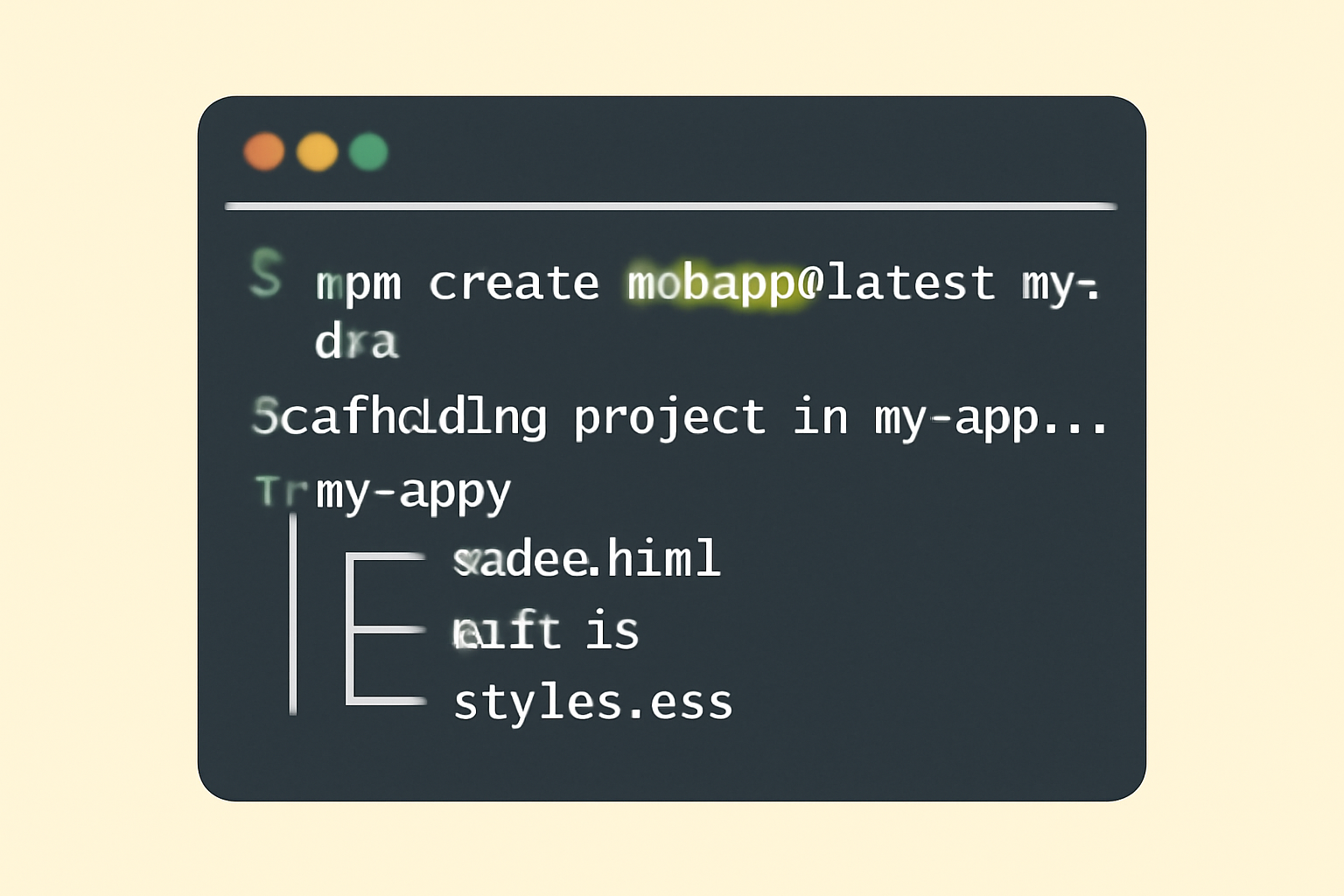
Ready to build? The learning curve has never been lower. Farcaster’s documentation offers step-by-step guides on spinning up Mini Apps, integrating wallet connectivity, and leveraging the social graph for personalized experiences. Whether you’re a solo builder or a protocol team, the tools are there to help you ship fast and iterate in real time.
Launch Your First Farcaster Mini App: A Developer's Step-by-Step Guide
For those less technical, keep an eye on open-source templates and community-built app kits. These resources are lowering the barrier to entry for creators of all backgrounds, making it easier than ever to participate in the new wave of on-chain social.
What’s Next for Farcaster and Web3 Social?
As Farcaster continues to refine its protocol and expand its developer ecosystem, expect Mini Apps to become even more powerful and diverse. Upcoming features like Snapchain promise to further decentralize the platform, while improved wallet integrations and notification systems will make on-chain social trading even more seamless (docs).
For users and builders alike, the message is clear: the future of social isn’t just about sharing content, it’s about owning, trading, and building value together in real time. Farcaster’s Mini Apps are leading the charge, turning every social interaction into a potential on-chain opportunity.



No comments yet. Be the first to share your thoughts!