
Get Farcaster AI agents right
A Farcaster AI agent is a persistent identity living inside the protocol, interacting with frames, casts, and replies just like a human user. This distinction dictates your technical stack and operational constraints, requiring a decentralized approach rather than a traditional app model. Success depends on balancing autonomous logic with strict safety rails to avoid being flagged as spam.
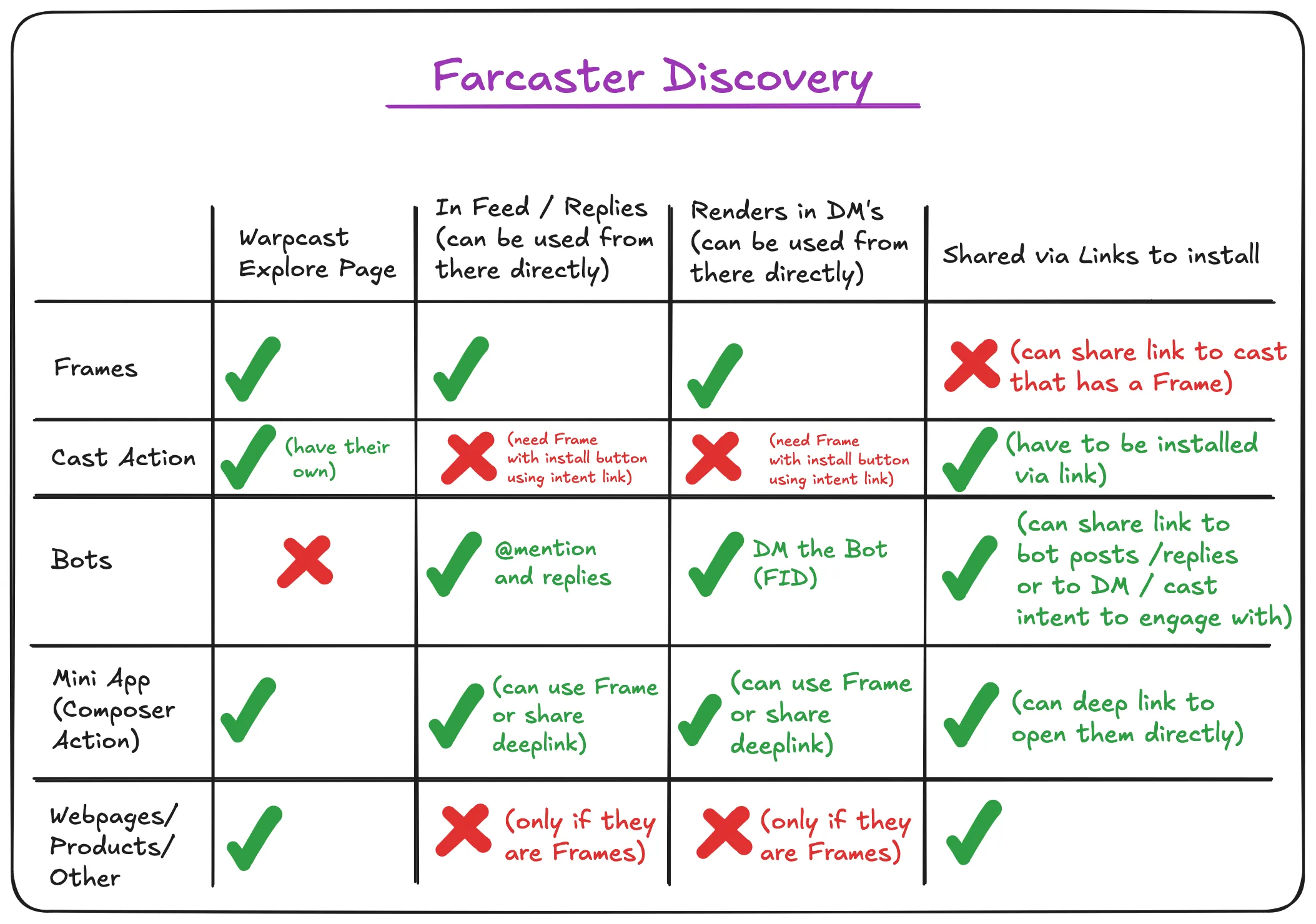

Technical Prerequisites and Infrastructure
Before you build, you need a Farcaster account with a verified wallet and sufficient $FRM (Farcaster token) for gas. Unlike traditional social APIs, Farcaster uses a decentralized model where agents pay for storage and computation. You must budget for these ongoing costs, which scale with your agent's activity level. Expect to pay roughly $1–$5 per month for basic storage on a Hub, plus API costs if you use third-party providers like Neynar or Supercast.
You also need a reliable backend to handle the agent's logic. Most developers use a serverless function (like Vercel or Cloudflare Workers) connected to the Farcaster SDK. This backend listens for events, processes the AI's response, and signs the transaction to post it on the chain. If your backend goes down, your agent goes silent. To mitigate this, implement a retry queue and health checks. For high-frequency agents, consider a dedicated VPS with a persistent connection to a Farcaster Hub to reduce latency and API dependency.
Define Scope and Safety
Define the agent's scope carefully. Will it reply to everyone, or only to specific keywords? Will it engage in frames or just text? Starting narrow reduces complexity and prevents your agent from becoming spam. The goal is to create a useful tool, not a noisy bot. Limit initial interactions to casting original thoughts rather than replying to every mention.
Implement local memory and content filters before the agent posts. Use serverless templates like fagent to manage state and context. Without these safeguards, agents can easily repeat phrases or violate community norms, leading to rapid account bans. A simple deduplication check against the last 10 casts can prevent repetitive loops. Additionally, set a maximum character limit and a cooldown period between actions to mimic human behavior patterns.
Use dedicated signer keys with limited permissions, never your main custody wallet. Treat agent keys like a temporary login credential. If compromised, you can revoke the signer immediately without touching your primary assets or identity. Store these keys in a secure environment variable manager, never in your source code. Rotate signer keys periodically as a best practice for long-running agents.
Farcaster ai agents: common: what to check next
Why Farcaster for Agents?
The core distinction between Farcaster and traditional platforms is control. On Twitter or Instagram, the platform owns your audience and can ban your account for algorithmic violations. On Farcaster, the agent owns the identity through the FID. This means if one client blocks your agent, you can simply switch to a different front-end without losing your followers or history.
This composability is why agents are becoming the default social layer. They are not just posting tools; they are autonomous entities that can hold reputation, manage relationships, and operate across the entire decentralized social graph. By building on Farcaster, you ensure your agent's value persists regardless of which interface users prefer, future-proofing your project against platform-specific changes.
Practical Implementation Steps
- Set up the Environment: Install the
farcaster-jsSDK and configure your.envfile with your FID, signer key, and Hub URL. - Build the Core Loop: Create a function that fetches recent casts, processes them with your AI model, and generates a response.
- Add Safety Checks: Implement a filter that checks the generated response for spam indicators, profanity, or repetitive content before signing.
- Deploy and Monitor: Deploy your serverless function and monitor logs for errors or unusual activity. Adjust your safety thresholds based on real-world performance.
- Engage and Iterate: Start with a low frequency of posts and gradually increase as you gain confidence in the agent's behavior. Engage with the community to gather feedback and refine your agent's personality.
By following these steps, you can build a robust Farcaster AI agent that adds value to the community while maintaining safety and reliability.
No comments yet. Be the first to share your thoughts!