
Farcaster 2026 limits to account for
The Farcaster network underwent a significant structural shift in January 2026 when operational control moved from its original team to Neynar, a prominent infrastructure firm. This transition to a client-server model did not shut down the protocol, but it fundamentally changed how the network is managed and scaled. Understanding this new ownership structure is critical for anyone looking to build on or use the platform in the current landscape.
Who is behind Farcaster?
Neynar now oversees the core protocol operations and infrastructure. This move was designed to leverage Neynar’s existing expertise in node hosting and data indexing to support the network’s growing user base. While the original team laid the groundwork, Neynar’s involvement signals a shift toward enterprise-grade stability and reliability for decentralized social infrastructure.
Is Farcaster shutting down?
No, the network is active and expanding. The transition was a strategic realignment, not a closure. Users and developers can continue to interact with the network without interruption. The underlying data remains stored on the Ethereum blockchain, ensuring that user identities and messages are not lost during the operational handover.
Does Farcaster cost money?
Using Farcaster requires paying a small fee for a "fiduciary" (identity anchor) on the Ethereum blockchain. This cost is typically around $5 per year, paid through various clients like Warpcast or Supercast. This fee is not charged by the protocol itself but by the wallet providers who issue the on-chain credentials that verify your identity.
How many Farcaster users are there?
The network has seen steady growth, with millions of monthly active users interacting across various clients. While exact real-time numbers fluctuate, the active user base remains robust, driven by developers building new tools and communities migrating from other platforms. The shift to Neynar’s infrastructure aims to support this scale more efficiently.
Farcaster 2026 Tradeoffs: What to Evaluate
The client-server architecture in Farcaster simplifies user experience but introduces specific tradeoffs for 2026. Unlike fully on-chain networks, Farcaster relies on centralized nodes to store and serve data, creating a hybrid model. Understanding these mechanics helps you decide if the platform fits your needs.
Speed vs. Decentralization
Farcaster’s client-server model prioritizes speed and low latency. Nodes cache data, allowing feeds to load instantly without waiting for blockchain confirmations. This creates a social media experience similar to X or Instagram, rather than the sluggishness of fully on-chain alternatives. However, this speed comes at the cost of centralization. If the primary nodes go offline or are censored, your access to the network is temporarily interrupted, despite your data being cryptographically secured on-chain.
Cost and Accessibility
The financial barrier to entry remains low for users but requires upkeep. Creating a Farcaster account typically costs around $5 annually via an Ethereum name service (ENS) domain or direct payment. This fee covers the storage of your identity on the blockchain. For developers and builders, running a node is more expensive, requiring significant server resources to sync the full dataset. This cost structure keeps casual users engaged while ensuring that data storage is not free-riden.
Data Ownership and Portability
Farcaster offers strong data portability through its open protocol. You can export your profile, casts, and reactions as a JSON file, giving you full control over your digital identity. This contrasts with traditional social media, where data is locked within proprietary databases. While you own your identity, the actual content storage relies on third-party node operators. This means you must trust these operators to keep your posts available and accurate, even if you hold the cryptographic keys.
Censorship Resistance
The network’s censorship resistance is partial. While no single entity can delete your casts from the blockchain, node operators can choose not to serve your content to other users. This creates a "visibility" rather than "existence" problem. If major node providers block a user, that user effectively disappears from most feeds, even if their data remains technically on-chain. This tradeoff allows for community moderation but limits the absolute censorship resistance promised by pure decentralization.
Security and Recovery
Account security relies on your private key management. Farcaster does not offer password resets or email recovery. If you lose your key, you lose your account permanently. This places the burden of security entirely on the user. However, it also means that no central authority can freeze or seize your account due to external pressure. This model appeals to power users who prioritize autonomy over convenience, accepting the risk of permanent loss for the benefit of total control.
Key Takeaways for 2026
-
Speed First
Client-server nodes enable instant feeds, mirroring Web2 social media experiences. -
Low Entry Cost
Annual fees around $5 cover identity storage, keeping casual use affordable. -
Partial Censorship
Node operators can filter content, limiting absolute censorship resistance. -
User Responsibility
No password recovery exists; losing your key means losing your account forever.
How to Choose the Right Decentralized Social Platform
Deciding where to build your audience requires looking past the hype and examining the underlying architecture. In 2026, the landscape has shifted significantly, particularly after Farcaster’s infrastructure transition to Neynar. This move solidified the client-server model as a pragmatic middle ground between fully decentralized but slow networks and centralized walled gardens.
Use this framework to evaluate whether a protocol matches your goals for ownership, speed, and community interaction.
If your primary goal is owning your social graph across multiple apps, prioritize protocols that support portable identities. Farcaster allows users to carry their social connections between different clients, meaning you aren’t locked into a single interface. This portability is essential for creators who want flexibility as new tools emerge.
Speed matters for daily engagement. The client-server architecture used by Farcaster delivers near-instantaneous updates, closely mimicking the experience of traditional social media. In contrast, fully on-chain networks often suffer from transaction delays and higher costs, which can frustrate users expecting real-time interaction.
With Farcaster’s recent transition to Neynar for infrastructure operations, stability has improved significantly. When choosing a platform, verify who maintains the core nodes and data availability. A clear operational structure reduces the risk of downtime and ensures your content remains accessible even if the client application changes.
Most decentralized platforms require a small fee to register a username or cast messages, which helps prevent spam. Compare these costs against the value of data ownership. While centralized platforms are free, they monetize your attention; decentralized ones charge for identity but give you control over your data and interactions.
Misleading Claims and Weak Options
The client-server model is often sold as a compromise, but in practice, it’s the only way Farcaster stays usable. The protocol stores data on user-owned accounts but relies on centralized hubs for indexing and distribution. This architecture avoids the latency of on-chain storage while keeping identity portable. If a project claims to solve social networking without any central coordination, it’s likely ignoring the reality of user experience.
The "Fully Decentralized" Myth
Many newcomers expect Farcaster to run entirely on-chain like Bitcoin. This is a fundamental misunderstanding. Storing every post and reaction on Ethereum would make the network prohibitively slow and expensive. The hub system acts as a cache, not a controller. Users can run their own hub, but the protocol doesn’t require it for basic functionality.
Weak Alternatives
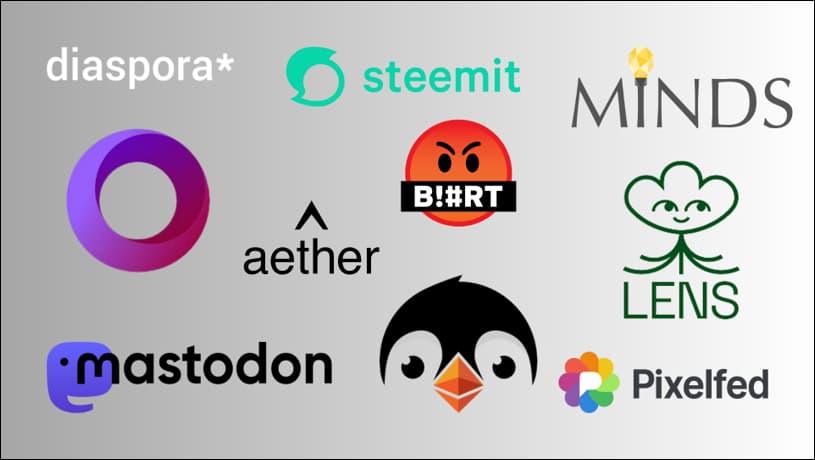
Other decentralized social protocols often prioritize censorship resistance over utility. They suffer from slow message delivery and high costs. Farcaster’s approach is pragmatic. It accepts some centralization in exchange for speed and low fees. This trade-off is why it has grown faster than purely on-chain competitors.
Common Mistakes
Users often confuse the client with the protocol. The client is the app you use (like Warpcast or Yassab). The protocol is the underlying rules. If one client goes down, you can switch to another without losing your identity. This separation is Farcaster’s strongest feature.
No comments yet. Be the first to share your thoughts!