
Why Farcaster clients matter in 2026
Farcaster is a decentralized protocol, but the experience of using it is entirely dependent on the client app you choose. Think of the protocol as the postal service and the client as the mailbox. The postal service delivers the mail reliably, but you still need a mailbox to collect, sort, and read it. In January 2026, the infrastructure behind this "postal service" changed hands when Neynar, an infrastructure firm, took over protocol operations from the original founders. This transition was part of a broader shift where the parent company returned capital to investors, leaving Neynar to maintain the network's backbone.
This separation of infrastructure and interface is why choosing the right client is critical. While the underlying data is the same across the network, the way you interact with it varies significantly between apps like Warpcast and Snort. Warpcast offers a polished, Twitter-like experience that is familiar to most new users, while Snort provides a more customizable, open-source alternative for those who prefer granular control. For new users, the client you select will define your daily experience, from how you discover content to how you manage your digital identity.
The recent ownership change has not altered this fundamental dynamic. The protocol remains open, and the client ecosystem continues to thrive with distinct personalities. Whether you prioritize ease of use, customization, or community governance, your choice of client app will shape your journey on Farcaster. Understanding these differences helps you pick an interface that aligns with your social habits rather than just following the crowd.
Warpcast: The Mainstream Gateway
Warpcast stands as the default entry point for most users entering the Farcaster ecosystem. If you are looking for a polished, intuitive interface that mirrors the familiarity of Twitter or Instagram, this is the application to start with. Developed by the team behind the Farcaster protocol, it offers a seamless onboarding experience where you can connect your Ethereum wallet and begin casting immediately. The app’s design prioritizes readability and speed, making it the go-to choice for those who want the power of decentralized social without the friction of complex setup processes.
Beyond its clean aesthetic, Warpcast integrates built-in discovery features that help new users find relevant conversations. Instead of relying solely on a closed network, the app surfaces trending casts, popular creators, and niche communities directly in your feed. This curated approach helps bridge the gap between early adopters and the broader audience, ensuring that even if you don’t know who to follow yet, the algorithm can guide you toward high-quality content. It effectively turns the decentralized protocol into a navigable social graph.
A critical advantage of Warpcast is its deep integration with Lens Protocol, allowing for cross-platform identity management. While Warpcast is the primary client for Farcaster, your social graph and data remain portable. This means your identity isn’t locked into a single corporate server; you control your keys and your connections. For users who value both convenience and sovereignty, Warpcast provides the best of both worlds: a mainstream-friendly interface backed by the robust, open infrastructure of Farcaster.


As an Amazon Associate, we may earn from qualifying purchases.
Snort Social: The power user alternative
While Warpcast dominates the mainstream with its polished, curated experience, Snort Social serves the users who want to own their interface. It is an open-source client built for those who view social media as a protocol to be manipulated rather than a walled garden to be inhabited. If Warpcast is a luxury sedan, Snort is a kit car: you assemble the parts, and you decide how it drives.
The core appeal of Snort lies in its dynamic client architecture. Instead of serving a static feed, Snort allows users to install custom frames and UI extensions directly from the community. This means the app can evolve in real-time based on what the user actually wants to see, not what a central engineering team decides is best. For developers and early adopters, this modularity offers a level of control that proprietary apps simply cannot match.
Snort also embraces the broader Farcaster ecosystem by supporting Lens Protocol profiles. This cross-compatibility ensures that your identity isn't locked into a single silo, allowing you to move your social graph across different decentralized networks with ease. It is a pragmatic choice for users who prioritize interoperability and data sovereignty over aesthetic uniformity.
Warpcast vs. Snort: Feature Comparison
The choice between these two clients often comes down to whether you prioritize ease of use or technical freedom. Warpcast offers a seamless, out-of-the-box experience, while Snort requires a bit more setup but rewards you with a personalized environment.
| Feature | Warpcast | Snort |
|---|---|---|
| Open Source | No | Yes |
| Lens Support | No | Yes |
| Customization Level | Low | High |
| Learning Curve | Low | Medium |
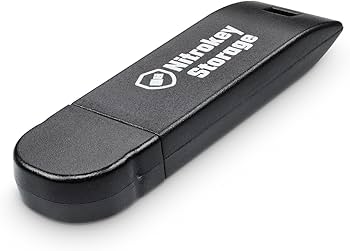
For those building their decentralized social infrastructure, securing your identity is just as important as choosing the right client. Hardware security keys provide the physical layer of protection that software alone cannot guarantee.

As an Amazon Associate, we may earn from qualifying purchases.
Lens Protocol integration benefits
Farcaster’s architecture is designed to separate your social identity from the specific application you use to view it. At the core of this design is Lens Protocol, a composable social graph that lives on the blockchain rather than inside a single app. This integration ensures that your followers, casts, and likes are not trapped within one platform but are portable assets you control.
This portability is the primary advantage of the Farcaster ecosystem in 2026. When you switch clients, your social graph moves with you instantly. You do not need to rebuild your audience or re-export your data. Whether you are using Warpcast for its polished interface or Snort for its customizability, your connections remain intact because they are stored on the protocol layer, not the client layer.
The result is a user experience that feels familiar regardless of the tool you choose. You log into any Farcaster-compatible client, and your social world appears exactly as you left it. This flexibility encourages innovation among developers, who can build new features without worrying about locking users into their platform. It creates an open environment where the best tools win based on utility, not network effects.
This structure also provides a layer of security and transparency. Because the social graph is on-chain, it is resistant to censorship and arbitrary deplatforming. Your data is yours, secured by the underlying blockchain infrastructure, ensuring that your digital presence remains stable and independent.
How to choose your Farcaster client
Choosing a client is less about picking a network and more about picking a interface. Farcaster is a protocol, not a single app. Your account lives on the chain, meaning you can switch between different clients without losing your followers or history. Think of it like email: you can use Gmail, Outlook, or Thunderbird to access the same inbox. The experience changes, but your identity remains yours.
For most new users, Warpcast is the standard entry point. It offers the smoothest onboarding, robust discovery features, and a polished mobile experience that feels similar to Twitter or Instagram. If your priority is ease of use and finding people quickly, Warpcast is the safest bet. It handles the complexity of the protocol behind a clean, modern UI.
If you prefer open-source software or want more control over your feed, Snort Social is a strong alternative. It runs in the browser and offers a more customizable, developer-friendly environment. Snort appeals to users who want to tweak their experience or avoid centralized app stores. Both clients connect to the same underlying network, so the choice comes down to whether you value polish or customization.
Tip You can use multiple clients with the same account. Many users keep Warpcast for mobile discovery and Snort for desktop browsing.
Frequently asked questions about Farcaster
Farcaster operates differently from traditional social networks, which often leads to questions about ownership, costs, and security. Understanding these mechanics helps users decide if the protocol fits their workflow.


As an Amazon Associate, we may earn from qualifying purchases.
No comments yet. Be the first to share your thoughts!