
The Farcaster Ecosystem in 2026
In January 2026, the Farcaster protocol transitioned from founder-led operations to infrastructure-led management as Neynar acquired the network. This shift marked a significant milestone for the decentralized social platform, moving it from an experimental venture to a stabilized infrastructure layer. The acquisition did not centralize control; instead, it secured the protocol’s long-term viability while keeping the underlying code open-source and permissionless.
This structural change has clarified the role of clients and tools in the Farcaster 2026 landscape. With Neynar handling backend infrastructure and data availability, developers can focus on building superior user experiences without worrying about protocol maintenance. The result is a more diverse ecosystem where client choice directly impacts usability, rather than being constrained by technical limitations of the core network.
The focus for users in 2026 is no longer on whether the network will survive, but on which client best fits their workflow. Whether you prefer a desktop-first interface, a mobile-native experience, or a developer-focused terminal, the stability of the Neynar-backed infrastructure ensures that all clients operate on a reliable, consistent layer. This maturity allows the Farcaster ecosystem to compete directly with centralized social platforms on speed and reliability, while preserving the decentralization that defines its value.
Top mobile and desktop clients
Accessing the Farcaster network requires a client that balances ease of use with the protocol's decentralized nature. For most users in 2026, the choice comes down to the official mobile app for daily engagement and desktop clients for power users who need deeper network visibility. These clients act as your gateway to the Farcaster protocol, handling identity management, storage fees, and message encryption.
The official Farcaster app
The native Farcaster app remains the standard for mobile interaction. It offers a clean, reliable interface that prioritizes the core social experience without unnecessary clutter. Because it is built directly by the team behind the protocol, it often receives feature updates first, including support for the latest Frames and mini-app integrations.
The app handles the technical complexities of the underlying Layer 2 network automatically. Users simply connect their Ethereum wallet, pay the annual storage fee in ETH, and begin posting. This "set it and forget it" approach makes it the best starting point for anyone new to decentralized social media. It works seamlessly across iOS and Android, ensuring your identity follows you regardless of your device.
Desktop clients for power users
While the mobile app is ideal for scrolling and quick replies, desktop clients provide a more expansive view of the network. Applications like Warpcast (the web client) and third-party tools like Supercast offer larger screens for reading long-form posts and managing multiple casts. These clients often include advanced features like custom feeds, keyword filtering, and detailed profile analytics that are harder to manage on a small mobile screen.
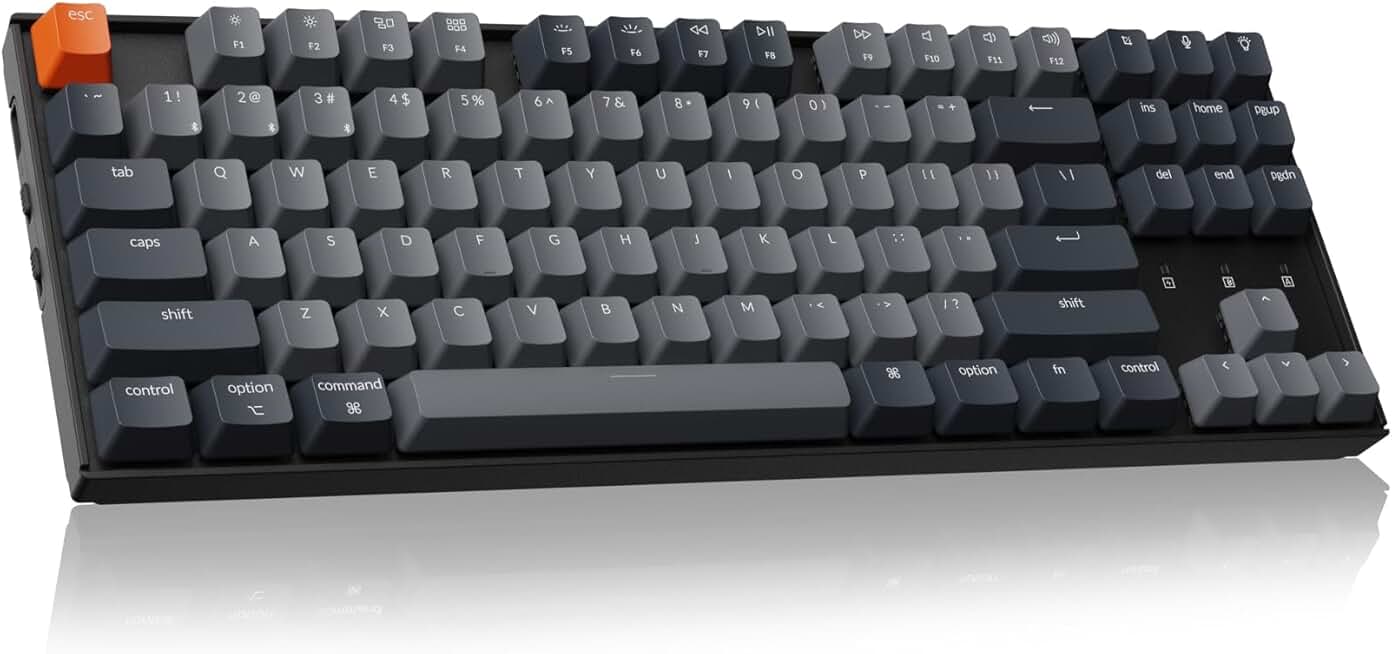
For developers and early adopters, desktop clients also provide better access to the Farcaster API, allowing for more complex interactions with the network. Whether you are building a bot, curating a niche feed, or simply prefer typing on a mechanical keyboard, a desktop client enhances the productivity of your Farcaster experience.
Choosing the right client
Your choice of client should depend on your usage patterns. If you primarily use social media during commutes or breaks, the official mobile app is sufficient. If you spend hours curating content, engaging in deep discussions, or managing multiple accounts, investing time in a robust desktop client will pay off.
Regardless of the client you choose, remember that your identity is portable. You can switch between the mobile app and desktop clients without losing your followers or history, as long as you maintain your storage subscription. This flexibility is one of the key advantages of using Farcaster over centralized platforms.

As an Amazon Associate, we may earn from qualifying purchases.
AI agents and on-chain identity tools
The integration of AI agents into Farcaster 2026 represents a shift from passive consumption to active participation. Unlike traditional social platforms where bots are often filtered out, Farcaster’s protocol-level design allows AI agents to hold their own Farcaster IDs (FIDs) and interact natively with human users. This capability transforms the network into a collaborative ecosystem where automated tools can curate feeds, manage notifications, or even draft responses on your behalf, all while maintaining a distinct, verifiable on-chain identity.
Managing this identity is central to the Farcaster 2026 experience. Your FID serves as your universal key across clients like Warpcast, Supercast, and others. Because the identity is stored on-chain, you retain full ownership and can switch clients without losing your social graph or history. This portability is critical as the network matures; it ensures that your digital presence isn't locked into a single interface, allowing you to choose tools based on feature set rather than vendor lock-in.
To help you understand the landscape of agent capabilities and identity management, we’ve compared the leading clients that support these advanced features.
| Client | AI Agent Support | Identity Management |
|---|---|---|
| Warpcast | Native FID support for agents | Full cross-client portability |
| Supercast | API access for custom agents | Standard FID management |
| Y2k | Limited agent integration | Basic profile control |
Developer tools and protocol infrastructure
Building on Farcaster 2026 requires a different toolkit than traditional social media development. The ecosystem has matured significantly, moving from experimental libraries to robust, production-ready infrastructure. For developers, the primary concern is reliable data access and seamless client integration.
Neynar serves as the central nervous system for this stack. After Merkel Manufactory sold the core protocol to Neynar, the company transitioned into an infrastructure provider, offering the most comprehensive API for Farcaster data. Their SDKs handle the heavy lifting of indexing on-chain events and off-chain casts, allowing builders to focus on user experience rather than database management. This acquisition stabilized the protocol's future, ensuring that the underlying data layer remains maintained and scalable.
Beyond Neynar, the community has contributed specialized tools that fill specific gaps. Libraries like frames.js simplify the creation of interactive frames, while wagmi adapters make wallet integration straightforward. These tools are not just theoretical; they are actively used in the top clients like Warpcast and Supercast. By leveraging these established components, developers can build decentralized social applications that are both secure and performant.
Frequently asked questions about Farcaster
Does Farcaster cost money?
Using Farcaster is free, but maintaining your identity requires a small annual fee. To keep your FID (Farcaster ID) active, you must pay a storage fee to the Storage Registry. As of 2026, this costs approximately $7 USD per year, payable in ETH. The exact ETH amount fluctuates based on the current Ethereum price oracle.
Who is the parent company of Farcaster?
Merkel Manufactory was the original company behind Farcaster, but its structure has changed. In early 2026, Merkel Manufactory sold the Farcaster protocol to Neynar and returned $180 million to investors. While Neynar now operates the protocol, Farcaster remains a decentralized network open to all developers.
Is Farcaster safe and secure?
Farcaster is built on a Layer 2 scaling network, which provides a secure foundation for decentralized social interactions. The protocol uses smart contracts to govern data and social connections, ensuring transparency and protecting user assets. This architecture makes it significantly more resilient to single-point failures than traditional centralized platforms.
What are the alternatives to Farcaster?
If you are looking for other decentralized social networks, Bluesky is the most prominent alternative, leveraging the AT Protocol for open social graphs. Other options include Ecency, which focuses on rewarding content creation, and Snort, a popular client for the Farcaster network itself. These platforms offer different approaches to user ownership and community governance.
No comments yet. Be the first to share your thoughts!