
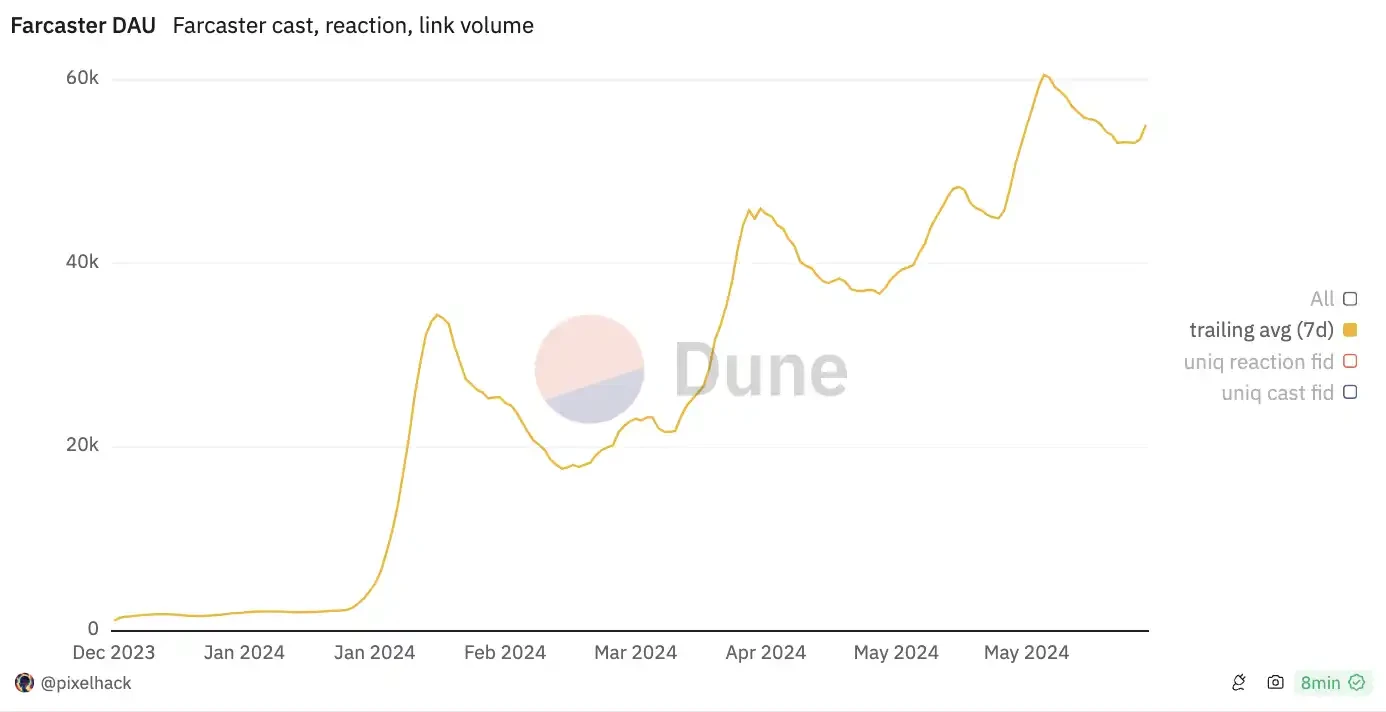
Why Farcaster Matters in 2026
Farcaster has solidified its position as the leading decentralized social protocol, moving beyond niche experimentation to become the primary hub for builder-focused social interaction. The platform’s architecture, which separates identity from hosting, allows clients like Warpcast and Supercast to innovate rapidly without fragmenting the underlying social graph. This structure ensures that users retain ownership of their connections and data, a stark contrast to the walled gardens of traditional social media.
The 2026 landscape is defined by this strategic transition and the explosive integration of AI agents. Unlike earlier iterations of decentralized social, Farcaster now supports autonomous agents that can interact with human users, creating a hybrid ecosystem where software entities participate in conversations alongside people. This development has attracted a wave of developers and early adopters looking for a platform that can scale beyond simple text posts into complex, agent-driven interactions.
The rise of AI agents has fundamentally changed how the protocol is used. Users are no longer just posting updates; they are configuring bots to curate feeds, moderate discussions, and even engage in direct messages. This functionality has turned Farcaster into a testbed for the future of internet identity, where your social graph is portable across any client that supports the Farcaster protocol. As major apps continue to refine their AI integrations, Farcaster remains the only decentralized network offering this level of programmable social interaction.
Best Overall Client: Warpcast
Warpcast remains the default entry point for Farcaster in 2026. Owned by Neynar, it offers the most polished user experience on the protocol. The app balances simplicity with powerful features, making it the best choice for new users who want to start posting immediately without navigating complex technical setups.
The interface is clean and intuitive. You can browse feeds, cast replies, and manage your profile with minimal friction. Neynar’s infrastructure ensures the app loads quickly and handles high traffic without the lag that plagues other clients. For most users, this smoothness is the deciding factor.
A major advantage in 2026 is Warpcast’s deep integration with AI agents. The app allows users to interact with decentralized bots and assistants directly within the feed. You can summon an agent to summarize a thread, translate a post, or even draft a reply with a single tap. This feature turns Warpcast from a simple messaging app into a productivity hub.
While alternatives like Supercast offer niche features, Warpcast’s ecosystem is the most mature. It supports the widest range of extensions and integrations. If you are new to decentralized social, start here. The learning curve is low, and the community is active.


As an Amazon Associate, we may earn from qualifying purchases.
For Developers: Supercast and Frame Apps
Farcaster’s 2026 roadmap leans heavily into a builder-first ecosystem. Neyner’s recent acquisition signals a push to professionalize the protocol, moving beyond simple social feeds toward programmable, revenue-generating applications. For developers, this means prioritizing clients that expose the full depth of the protocol, particularly Frame support and direct API access.
Supercast has emerged as the primary tool for this segment. Unlike consumer-focused clients, Supercast offers granular control over Frame interactions and robust API endpoints. This allows builders to create interactive experiences that go beyond static posts, enabling complex state management and direct integration with external services. It is the go-to client for those treating Farcaster as a development platform rather than just a social network.
Frame apps are the cornerstone of this developer-centric shift. They allow any Farcaster client to render interactive web content directly within the feed. Supercast provides the most reliable environment for testing and deploying these frames, ensuring that complex interactions render correctly across different devices. This capability is essential for builders looking to create sticky, engaging user experiences that keep participants on-platform.
The following table compares how Supercast and other top clients handle these developer needs, focusing on Frame support, API accessibility, and export options.
| Feature | Supercast | Warpcast | Client X |
|---|---|---|---|
| Frame Support | Full API Access | Standard Support | Limited |
| Developer API | Direct Access | Rate Limited | None |
| Export Options | JSON/CSV | Image Only | None |
As an Amazon Associate, we may earn from qualifying purchases.
Privacy-Focused Alternatives
While Warpcast dominates the ecosystem, several clients prioritize data sovereignty and minimal tracking for users concerned about on-chain identity privacy. These apps function as gateways to the Farcaster protocol, but they handle data retention and caching differently, offering distinct privacy profiles for 2026.
Supercast
Supercast operates with a lightweight architecture that caches minimal user data on its servers. By keeping the client thin, it reduces the amount of personal metadata stored centrally. This approach appeals to users who want to interact with the network without leaving a substantial digital footprint with the app provider. It serves as a clean, no-frills alternative to feature-heavy clients.
Yellow
Yellow focuses on strict data minimization, refusing to track user behavior or engagement metrics. The app does not sell user data to third parties, nor does it use tracking pixels to monitor how you interact with feeds. For privacy advocates, Yellow offers a transparent model where the only data stored is what is strictly necessary to render the feed and send messages. This aligns with the growing demand for ethical tech in 2026.
Status
Status integrates Farcaster into its broader privacy-first messaging ecosystem. As a client, it benefits from the same end-to-end encryption principles and zero-knowledge architecture that define the Status brand. Users who already value privacy in their communication tools often find Status familiar, as it treats social graph data with the same rigor as private messages. This integration provides a cohesive experience for those managing multiple privacy layers.
How to Choose Your Farcaster Client
TipMost Farcaster clients connect to the same underlying protocol, so your account moves with you regardless of the app you use. In 2026, the choice comes down to which interface best matches your daily habits and technical comfort.
Casual users should stick with Warpcast. It remains the default entry point for most new accounts, offering a polished, Instagram-like experience that prioritizes ease of use over complexity. If you want a slightly more curated feed with less noise, Supercast offers a clean alternative that filters content effectively.
Builders and developers need clients that expose the raw power of the protocol. Lens Studio and Farcaster Hub interfaces provide the tools necessary to experiment with custom clients, manage keys, and integrate with the growing ecosystem of AI agents. These tools are less about scrolling and more about understanding how the network functions under the hood.
Privacy-focused users may prefer clients that emphasize local data storage and minimal tracking. While Warpcast is secure, some users opt for open-source clients like WebFinger or Farcaster Mobile (the open-source Android app) to maintain greater control over their data footprint. The key is to choose a client that aligns with your specific privacy thresholds.
Farcaster 2026 client: what to check next
With Neynar taking over protocol operations in January 2026, many users are asking if switching apps like Warpcast, Supercast, or Amino will cause data loss. The short answer is no. Because Farcaster is a protocol, your profile, casts, and followers are stored on the blockchain, not on a single company's servers. Moving between clients is as simple as connecting your wallet to a new app; your identity travels with you.
Another common concern involves the rise of AI agents. In 2026, these automated accounts are fully integrated into the ecosystem. You can interact with them, follow them, and even use them to moderate your feeds just as you would with human users. They operate under the same identity standards, ensuring that automated interactions remain transparent and accountable within the decentralized network.
No comments yet. Be the first to share your thoughts!