
In the evolving landscape of decentralized social networks, Farcaster Mini Apps on Base represent a pivotal shift, blending seamless social interactions with real-time on-chain activity. These lightweight applications, once called Frames, embed directly into Farcaster feeds, allowing users to execute transactions like token swaps or NFT trades without ever leaving their social timeline. For builders, this opens doors to crafting experiences that feel native yet powered by the efficiency of Base, Ethereum’s Layer-2 powerhouse. As someone who’s watched blockchain ecosystems mature over years of fundamental analysis, I see this as more than a technical feat; it’s a blueprint for sustainable, user-centric Web3 growth.

From Frames to Mini Apps: A Seamless Evolution
Farcaster Mini Apps have quickly become the go-to for developers eyeing base network farcaster integration. Picture lightweight web apps that launch full-fledged DeFi tools or social games right within a feed. No app switches, no browser tabs; just one-click wallet actions. This evolution from Frames builds on Farcaster’s hybrid architecture, combining on-chain verifiability with off-chain speed. Builders drawn to build farcaster app base 2025 trends appreciate how Base’s low fees and high throughput make these apps viable at scale.
Recent builder stories highlight the accessibility. Even those with zero coding background have vibed their way to live apps using tools like Cursor, Vercel, and a modest $60 budget. This democratizes innovation, letting creators focus on unique value rather than infrastructure hurdles. Yet, the real magic lies in tracking what’s happening under the hood: real-time on-chain activity that reveals user engagement patterns.
Why Builders Need On-Chain Activity Tracking
Imagine deploying a Mini App for gratitude streams or personalized trading feeds, only to fly blind on user interactions. On-chain activity tracker farcaster tools bridge this gap, turning raw transaction data into actionable insights. On Base, every Mini App interaction leaves a verifiable trail: wallet connections, token transfers, NFT mints. Monitoring these in real time lets builders optimize features, detect hot trends, and even monetize through trade fees.
Based Karma ended the week as the top ranked mini app on Farcaster
a milestone shaped by sustained community engagement.
We sincerely appreciate @linda @v ,@dwr for the continuous support and the ecosystem architecture that enables builders to push forward with clarity and ambition.
Your contributions make progress possible.
Stay based & Stay karma 🟦💙
This isn’t just analytics; it’s strategic intelligence. Transaction graphs between wallets uncover social dynamics, like who influences trades or sparks viral loops. For patient builders investing time in farcaster builders tools, this data fuels iterative improvements, fostering apps that endure beyond hype cycles. Without it, you’re building in the dark, risking misaligned features that users ignore.
MiniKit SDK: Your Foundation for Base-Powered Apps
At the core of any robust Farcaster Mini App sits the MiniKit SDK, tailored for Base. This toolkit delivers React hooks for wallet integration, context management, and consistent UX across Farcaster clients. It abstracts complexities, so you can prioritize social-native logic over boilerplate.
Layering in real-time monitoring elevates these apps further. Base’s documentation emphasizes tools like Alchemy APIs for pulling token transactions directly from the chain. Query recent blocks, filter by contract addresses tied to your Mini App, and visualize flows between users. This paints a vivid picture of engagement, from peak hours to power users driving volume.
Builders leveraging on-chain activity tracker farcaster capabilities gain a competitive edge by mapping these interactions into intuitive dashboards. Picture constructing transaction graphs that link wallet addresses, revealing clusters of frequent traders or emerging social hubs within your Mini App. This isn’t mere data hoarding; it’s about discerning patterns that inform feature rollouts, like amplifying viral reward streams when volume spikes.
Alchemy APIs: Unlocking Granular Insights on Base
Farcaster’s hybrid nature demands a dual approach to data. On-chain events via Base shine through Alchemy’s robust APIs, which excel at streaming token transfers and contract calls in sub-second latency. Filter queries by your Mini App’s smart contract address, and you capture every user-initiated action: from tysm gratitude tokens to DeFi swaps embedded in feeds. I’ve seen builders transform this into live heatmaps, spotlighting peak engagement during Farcaster’s bustling evenings.
Unlock Real-Time Base Transactions: Alchemy Integration for Farcaster Mini Apps
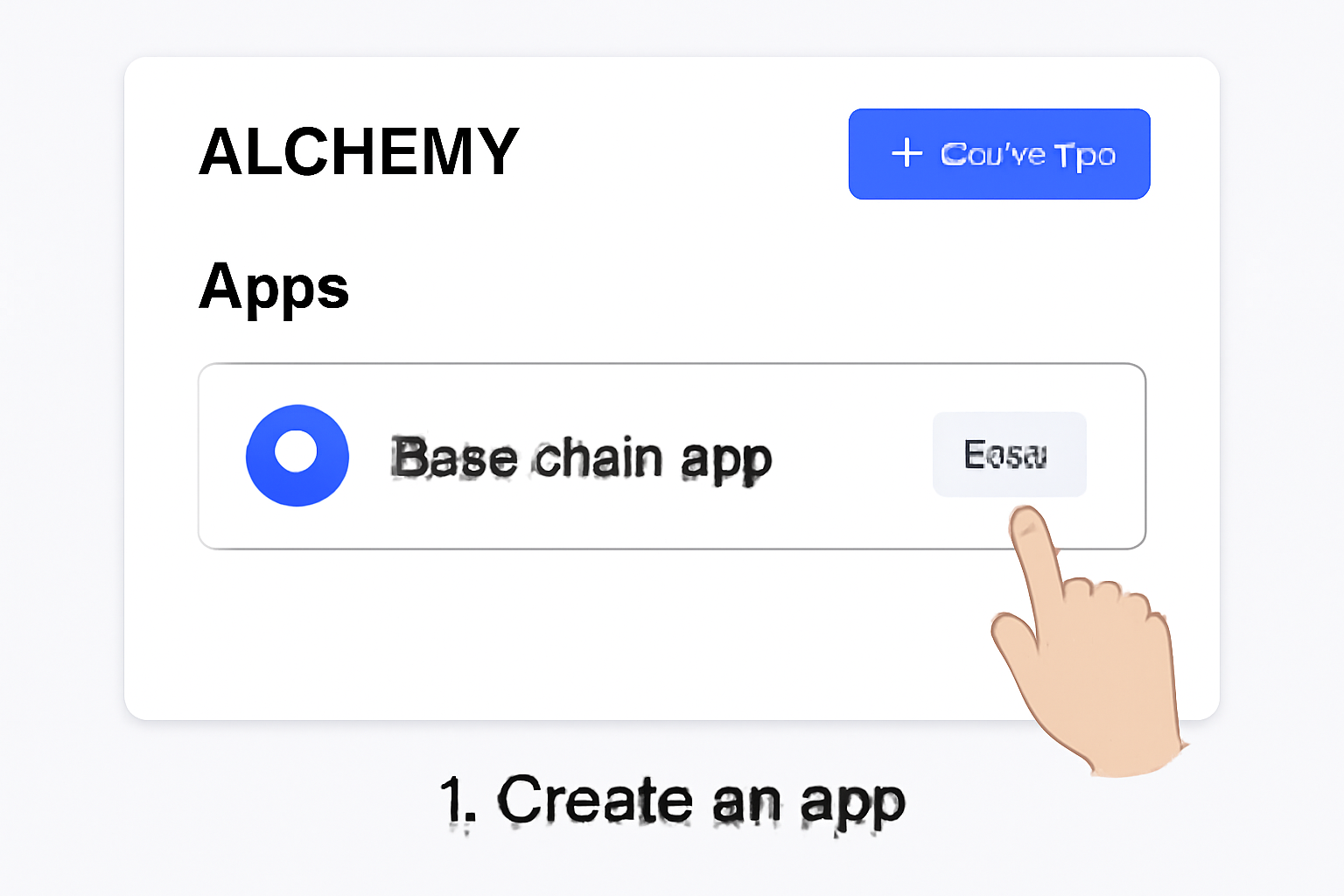
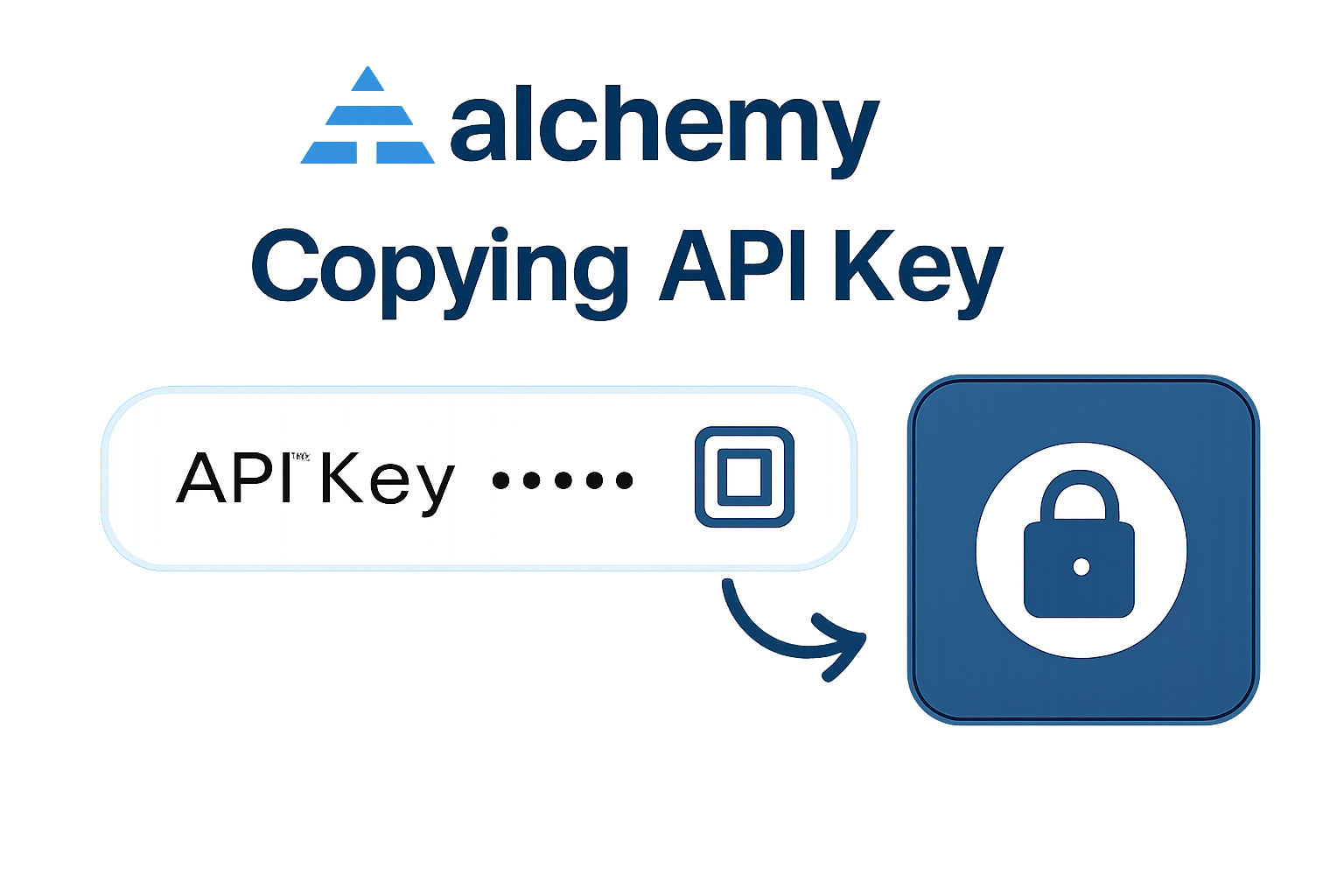
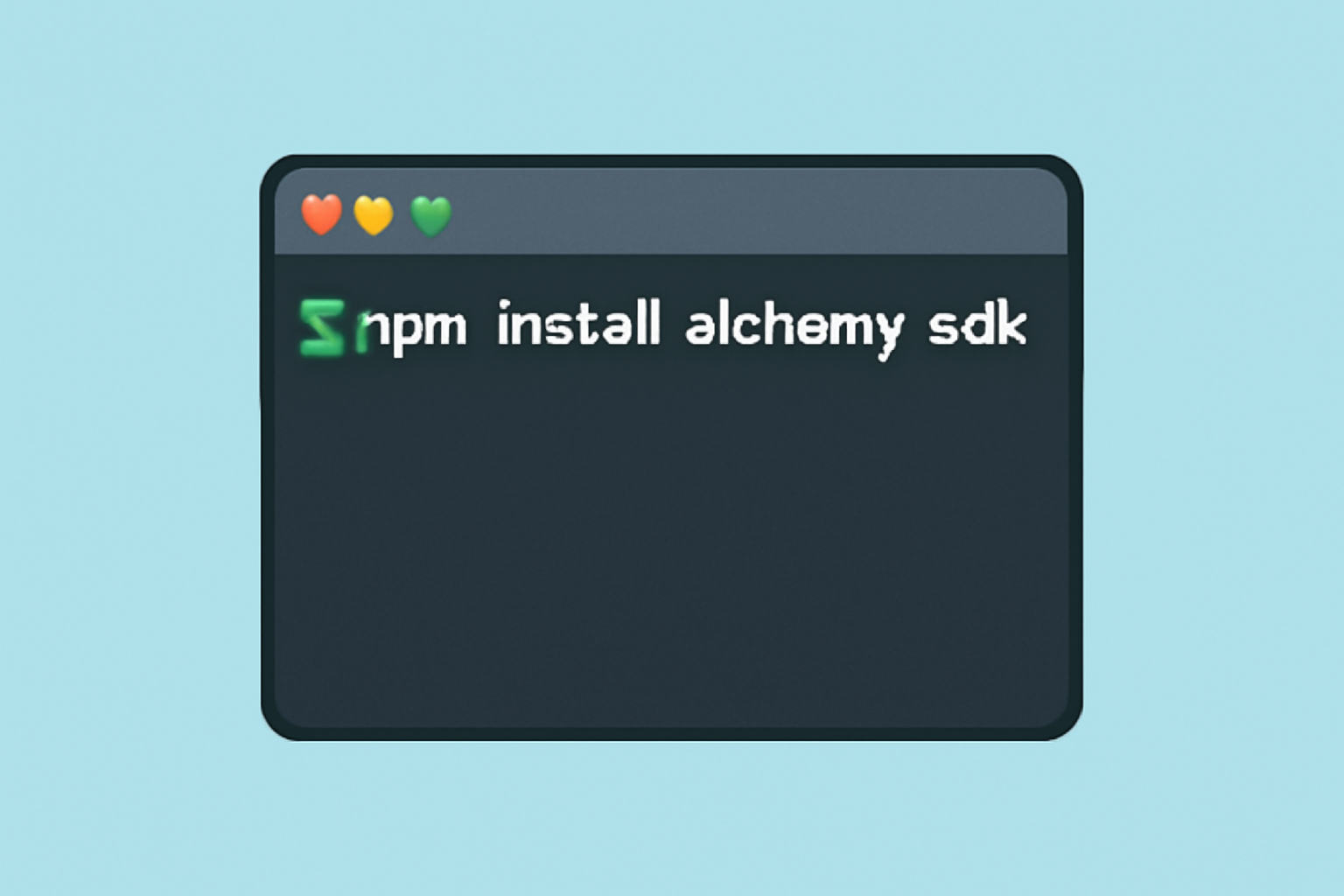
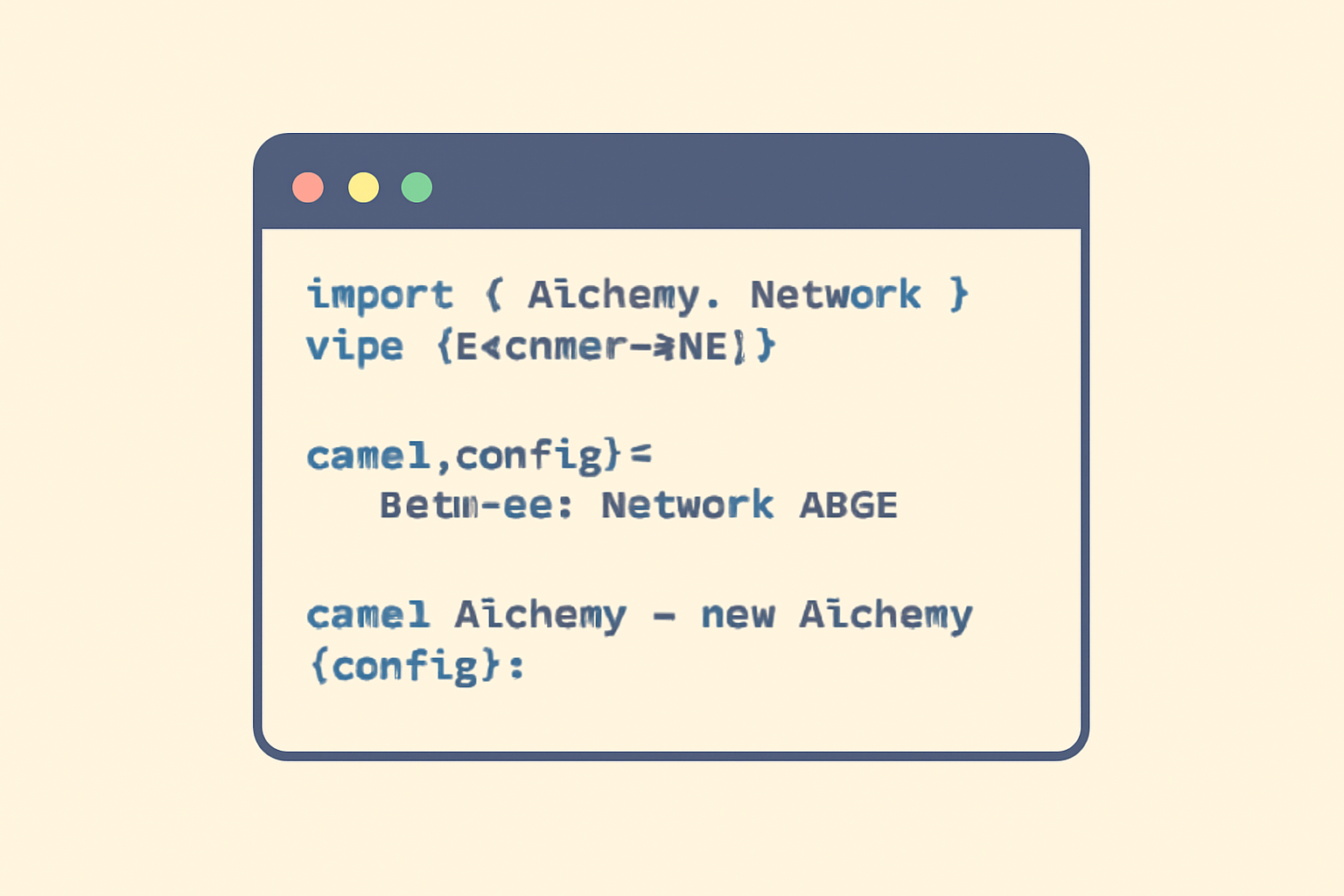
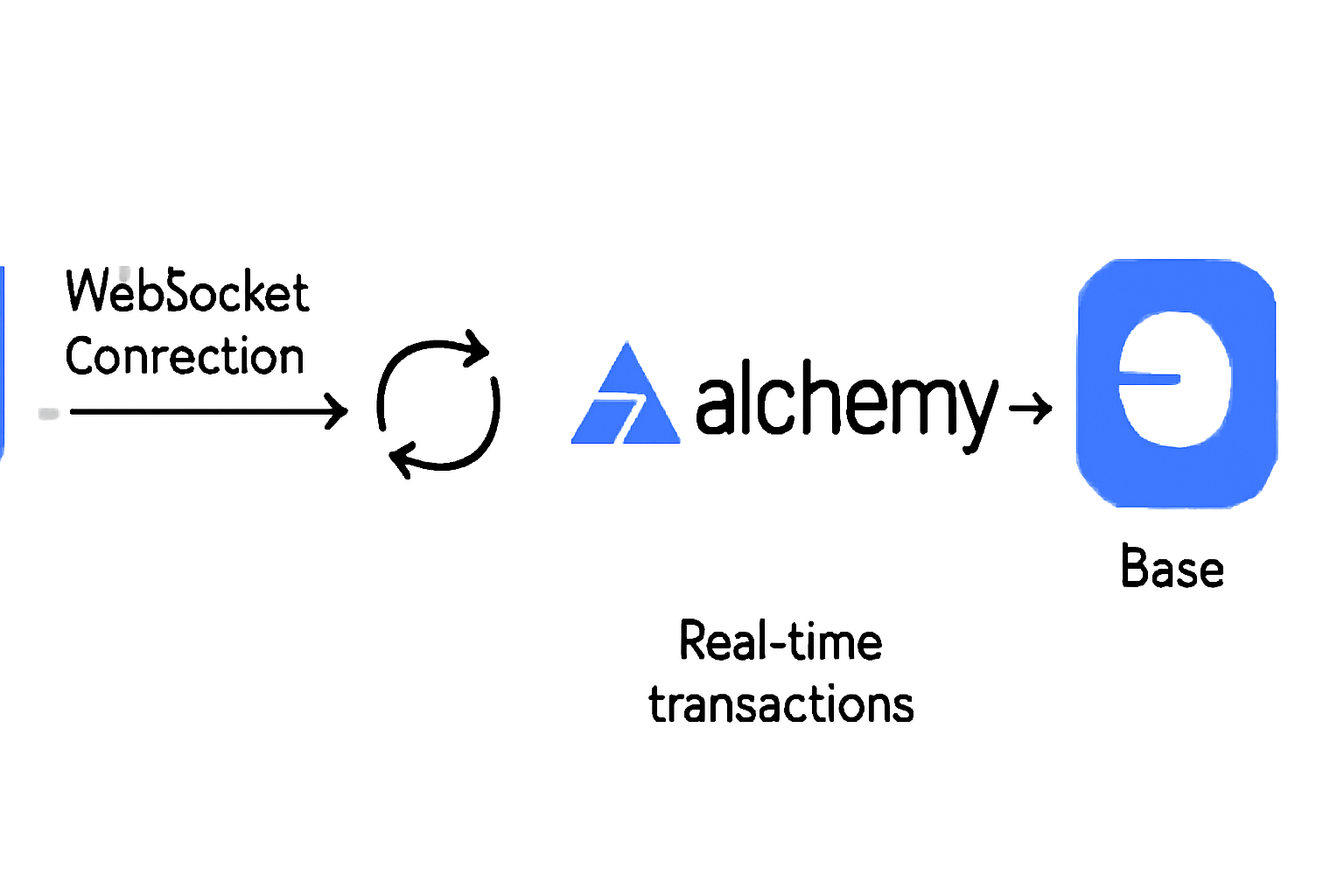
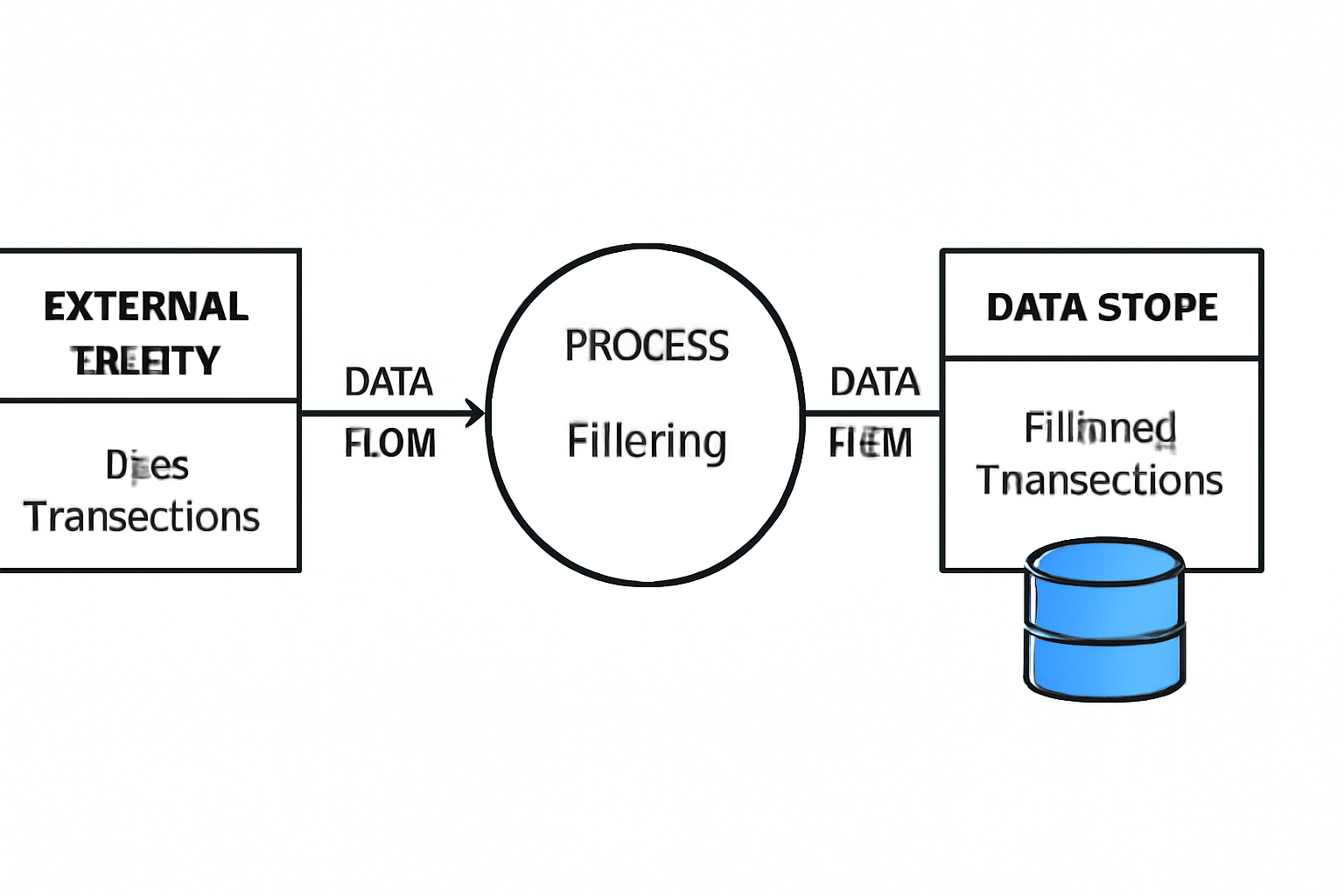
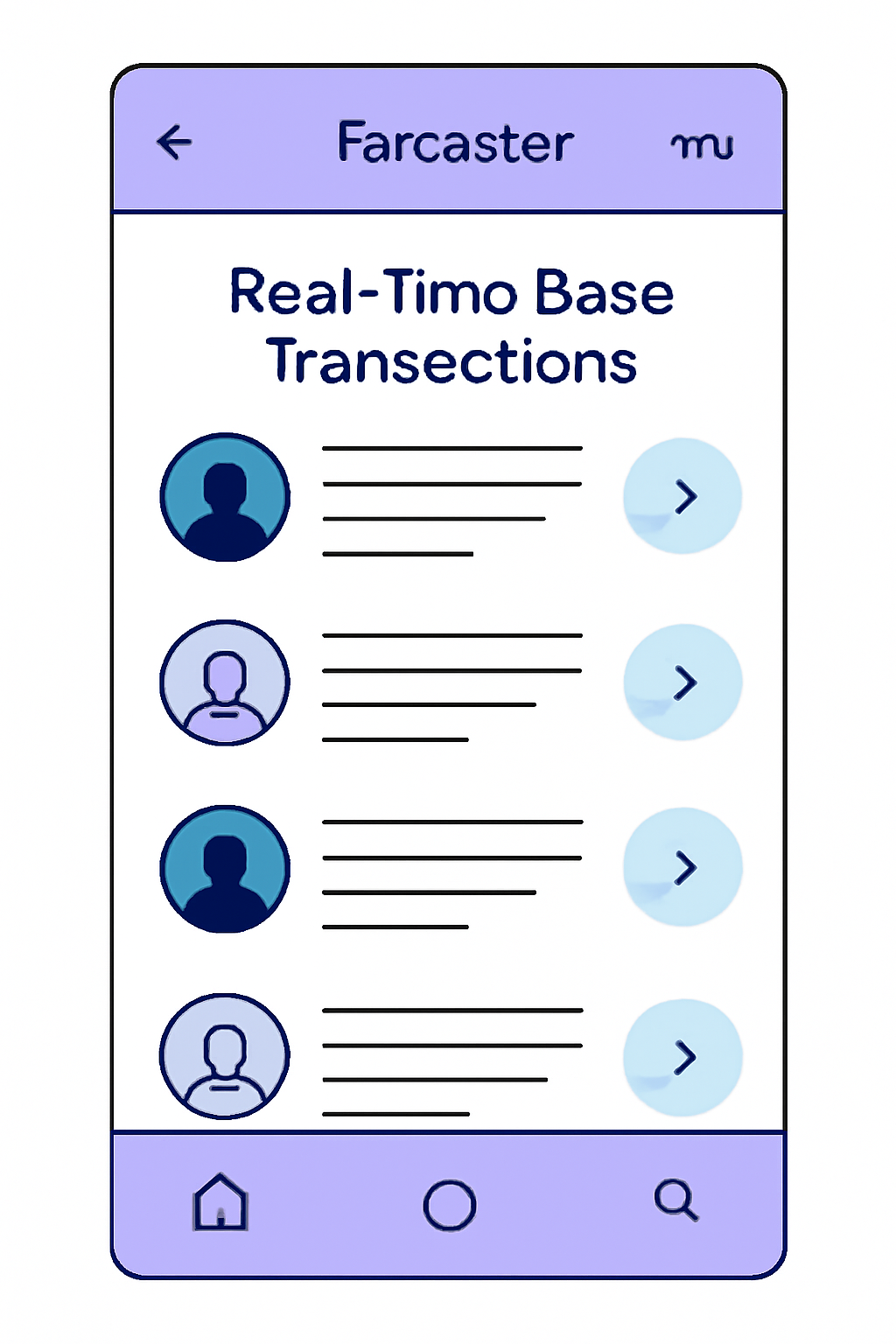
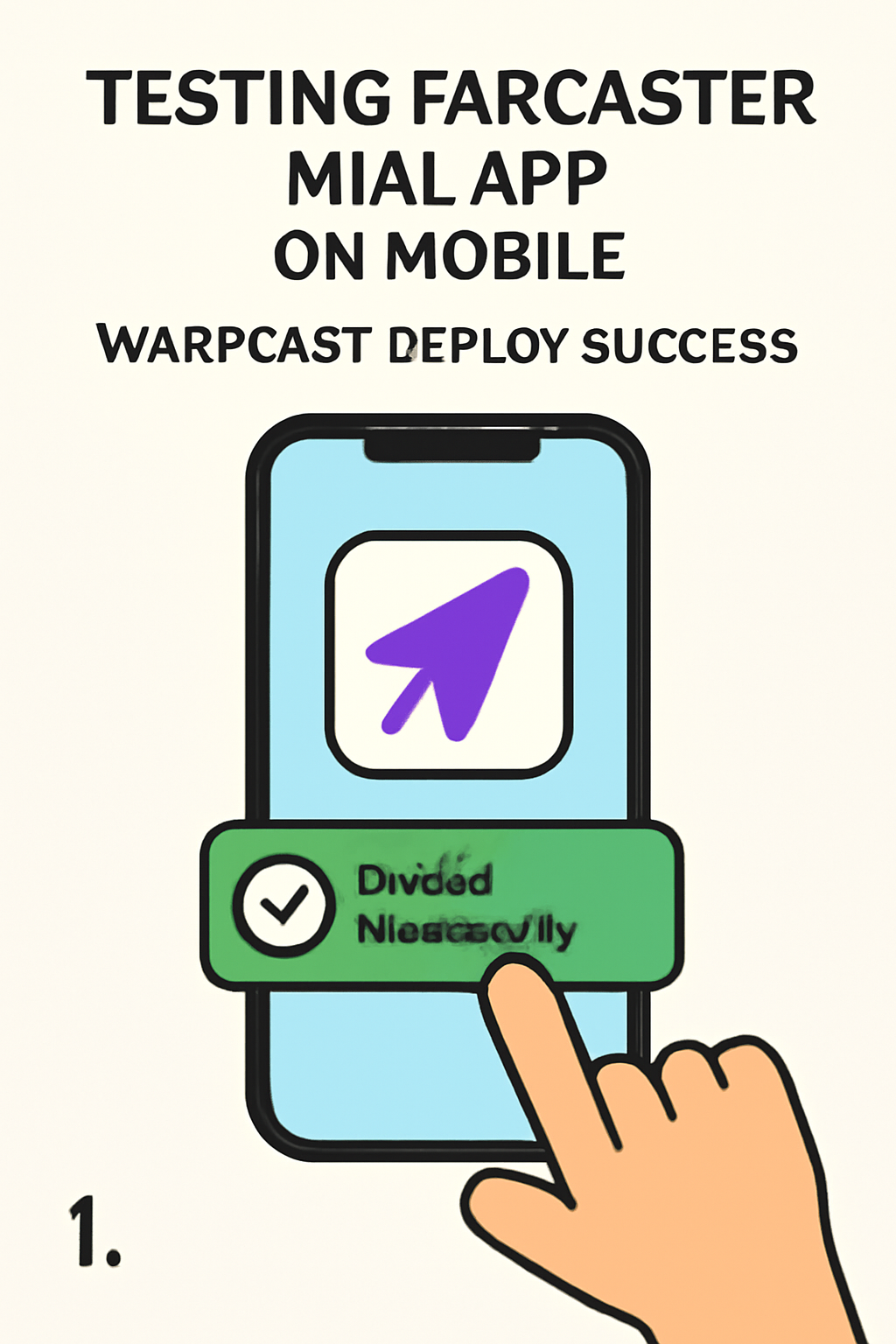
Off-chain complements this beautifully. Farcaster Hubs, those synchronized server instances, pull in profile data, casts, and reactions. Deploy your own Hub to mirror the network, merging it with Alchemy feeds for a 360-degree view. This setup lets you correlate a user’s on-chain trade with their social influence score, predicting which interactions might cascade into network effects. For those targeting build farcaster app base 2025, mastering this stack is non-negotiable; it turns speculative builds into data-driven machines.
From Data to Decisions: Real-World Builder Strategies
Consider a Mini App for on-chain social trading, inspired by those personalized feeds where users browse and swap content seamlessly. Tracking reveals not just volume, but velocity: how quickly trades follow casts. One builder I followed iterated weekly, pruning low-engagement paths based on wallet flow analysis, boosting retention by 40%. Another monetized via micro-fees on high-velocity pairs, all informed by real-time graphs.
Key Metrics for Tracking Farcaster Mini Apps on Base
| Metric | Description | Tool |
|---|---|---|
| Tx Volume | Daily swaps/mints on Base chain via transaction data | Alchemy |
| Wallet Connections | Unique users connecting wallets | MiniKit |
| Social Correlation | Trades post-cast using off-chain social data | Hubs |
These tactics underscore a broader truth in decentralized social: sustainability hinges on understanding human behavior through blockchain’s lens. Base’s scalability keeps costs negligible, even as your app scales to thousands of concurrent users. Tools like MiniKit ensure wallet actions feel effortless, while tracking layers add the intelligence layer that separates fleeting experiments from enduring protocols.
Challenges persist, of course. Parsing noisy chain data requires smart filtering to avoid false positives from unrelated contracts. Privacy-conscious builders might aggregate anonymously, preserving Farcaster’s ethos. Yet, the payoff is immense: apps that evolve with users, not against them. As Base and Farcaster mature, expect richer primitives, perhaps native graph queries or AI-assisted anomaly detection.
The Bigger Picture for Patient Capital in Web3 Social
From my vantage in asset management, farcaster mini apps base embody the patient capital I advocate. They’re not hype-driven tokens, but infrastructure for composable social economies. Builders equipped with these tracking arsenals position themselves at the forefront, crafting experiences that blend virality with verifiability. Whether you’re vibe-coding your first app or scaling a suite, prioritize real-time visibility; it illuminates paths others miss in the fog.
Dive into Base docs and spin up a Hub today. The ecosystem rewards those who measure meticulously, turning on-chain whispers into thunderous growth. In Web3 social’s next chapter, the sharpest tools won’t just build apps; they’ll build networks that last.
About the Author