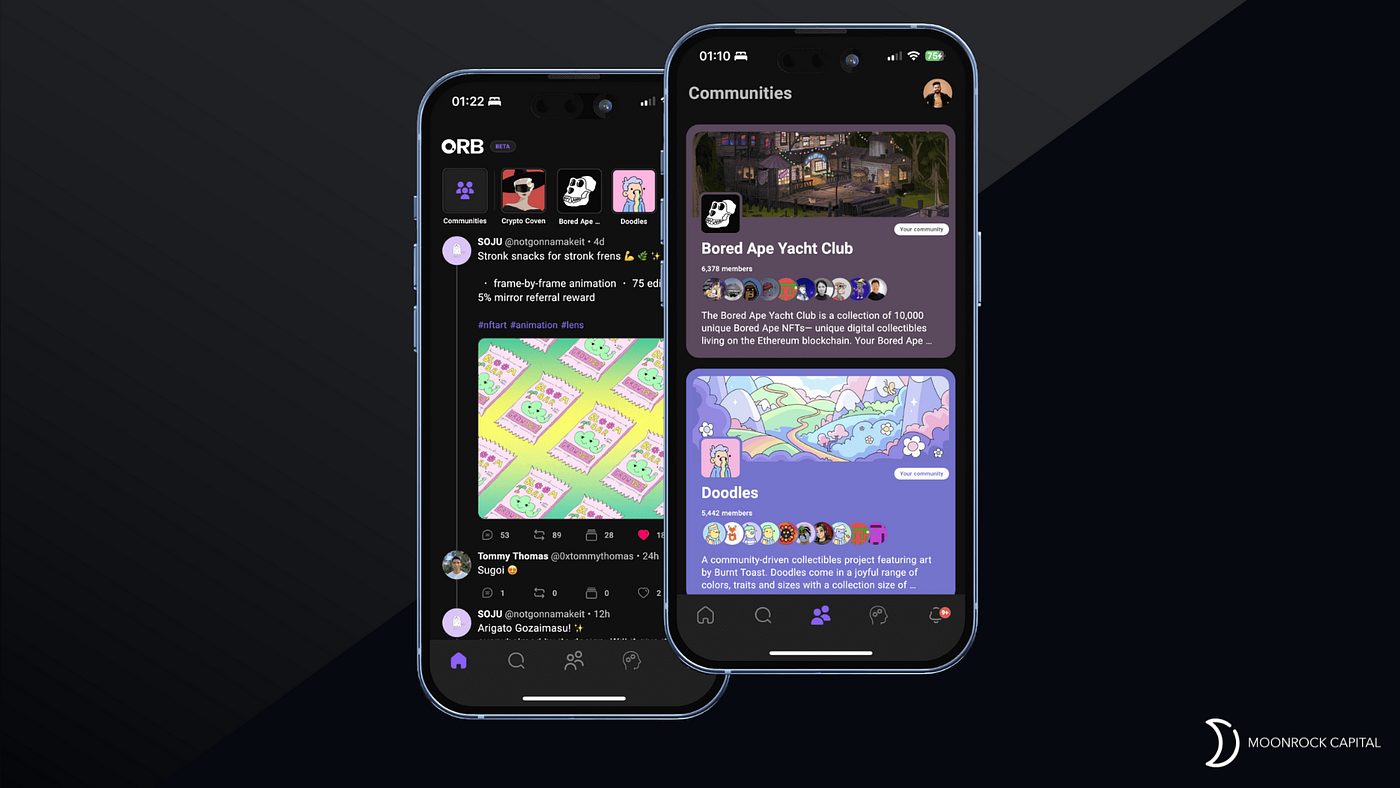
Flash back to 2009: Twitter was exploding, and every developer under the sun launched a clone – TweetDeck, Twellow, even bird-themed knockoffs galore. Fast forward to 2026, and Lens Protocol apps are giving off serious déjà vu. Apps like Hey. xyz (formerly Lenster), Phaver, and Orb deliver feeds, follows, and posts that scream Web3 Twitter, but with NFTs sprinkled on top. Despite Lens’s bold pitch as a decentralized social graph powerhouse launched in 2022, most builds recycle Web2 playbooks. Why the echo chamber, and how can gaming, dating, and networking primitives shatter it?
Lens Apps Echoing 2009 Twitter
-

Hey.xyz (formerly Lenster): Microblogging feeds with familiar timelines
-
Phaver: Share-to-earn posts on iOS/Android
-
Orb: Clean Twitter-like timelines
-
Tape: TikTok-style shorts mimic
Lens’s Twitter Clone Trap: A Data-Driven Breakdown
The pattern is unmistakable. Lens Protocol handed developers composable social primitives – profiles, follows, and content modules anyone could mix. Yet, adoption skewed toward familiarity. Hey. xyz nailed a clean Twitter interface with profile ownership via NFTs. Phaver added share-to-earn incentives, but core loop? Post, like, repost. Orb and Tape followed suit, one a timeline twin, the other short-form video echo. Blockworks noted this at mainnet launch: Twitter-likes dominated.
Critics piled on. Open Source Insights called out Lens’s rise and fall, promised censorship resistance and user-owned graphs, delivered NFT-jammed Twitter 2.0. SourceForge lists alternatives because Lens apps feel iterative, not inventive. Meanwhile, Bluesky hit 40.2 million users by late 2025 on AT Protocol, proving decentralized social craves fresh UX, not clones.
Stagnation Stats: Why Clones Aren’t Cutting It in 2026
Let’s crunch the ecosystem. Binance spotlighted nearly 30 Lens projects; most? Social feeds with crypto twists. Phaver’s iOS/Android app lets users post pics and earn, but engagement mirrors Web2 metrics – viral shares over viral innovation. Lens. xyz pushes SocialFi, yet consumer apps lag. Alive_eth on X highlights sky-high usability bars for 2026 gaming/social apps versus lax finance ones. Lens clones meet neither.
BlockEden pits Farcaster’s $2.4B valuation battle, where Lens Open Actions enable NFT mints, polls, embedded games – primitives begging bold use. But devs defaulted to safe bets. Net Influencer’s 2026 Twitter alts report crowns Bluesky king; Lens lurks in competitors’ shadows. User reviews on SourceForge echo: solid tech, stale apps. TechCrunch’s Bluesky ecosystem list brims with novel AT Protocol builds – Lens needs that spark.
5 Gaming & SocialFi Lens Hackathon Ideas
-
Prediction Market Tournaments: Bet on events with Lens profiles for social leaderboards and NFT rewards, blending SocialFi with competitive gaming. Hackathon inspo
-
Trading Game Challenges: Simulate crypto trades among followers, top scorers earn tokens—turn Lens into a fun, social trading arena.
-
Coordination Multiplayer Games: Form teams via Lens follows for real-time collab challenges with shared crypto rewards.
-
Co-Investing Leagues: Build investment clubs on Lens social graphs, vote on assets, and split gains in a gamified DAO format.
-

Embedded Profile Mini-Games: Play interactive games on profiles, mint NFTs for scores, and share via Lens for viral SocialFi fun.
Gaming Primitives: Lens’s Untapped Goldmine
Enough nostalgia – time to pivot. Lens shines when devs weave in gaming primitives. Imagine on-chain coordination games where follows fuel team battles, or prediction markets tied to profile stakes. Dapp-world’s Game Development on Lens course blueprints this: embed smart contracts via Open Actions for roguelites or trading sims. YouTube’s 2026 mobile gaming predictions nail it – web-to-app onboarding and embedded plays align perfectly with Lens’s graph.
Why gaming? Decentralized ownership turns ephemeral plays into persistent worlds. Users own avatars as NFTs, follows as alliances. Lens Spring Hackathon teased trading games, creator tools – prototypes proving clones obsolete. Build feeds that evolve via player votes, monetize via play-to-own. This isn’t Twitter; it’s a social arena where engagement pays dividends. Developers, check our guide on building with Lens APIs to jumpstart.
Trading games on Lens flip passive scrolling into high-stakes action, where your social graph becomes your inventory. This primitive unlocks retention rates gaming giants envy – think 2026 mobile predictions from Two and a Half Gamers, where roguelites and web onboarding dominate. Lens devs who nail this will own the next wave.
Dating Primitives: Swipe Right into Decentralized Romance
Lens’s social graph screams potential for Lens Protocol dating apps. Forget swipe fatigue on centralized matchmakers; own your connections as composable NFTs. Imagine profiles with follow-based compatibility scores, Open Actions triggering mutual reveals or virtual dates via embedded games. No more ghosting black holes – on-chain commitments enforce vibes.
Current clones sidestep this, but primitives like mutual follows as ‘matches’ or content-gated intros break molds. Pair with Lens Chain’s SocialFi for token-gated events: pay-to-play speed dating where winners co-own event NFTs. User-owned data means portable crushes across apps, a far cry from Web2 silos. Hackathon entries hinted at prediction markets for date success – bet on sparks flying. Dating on Lens? It’s romance rearmed with ownership.
Prototype a Killer Lens Dating App: 5 Steps to Swipe, Match & Chat!
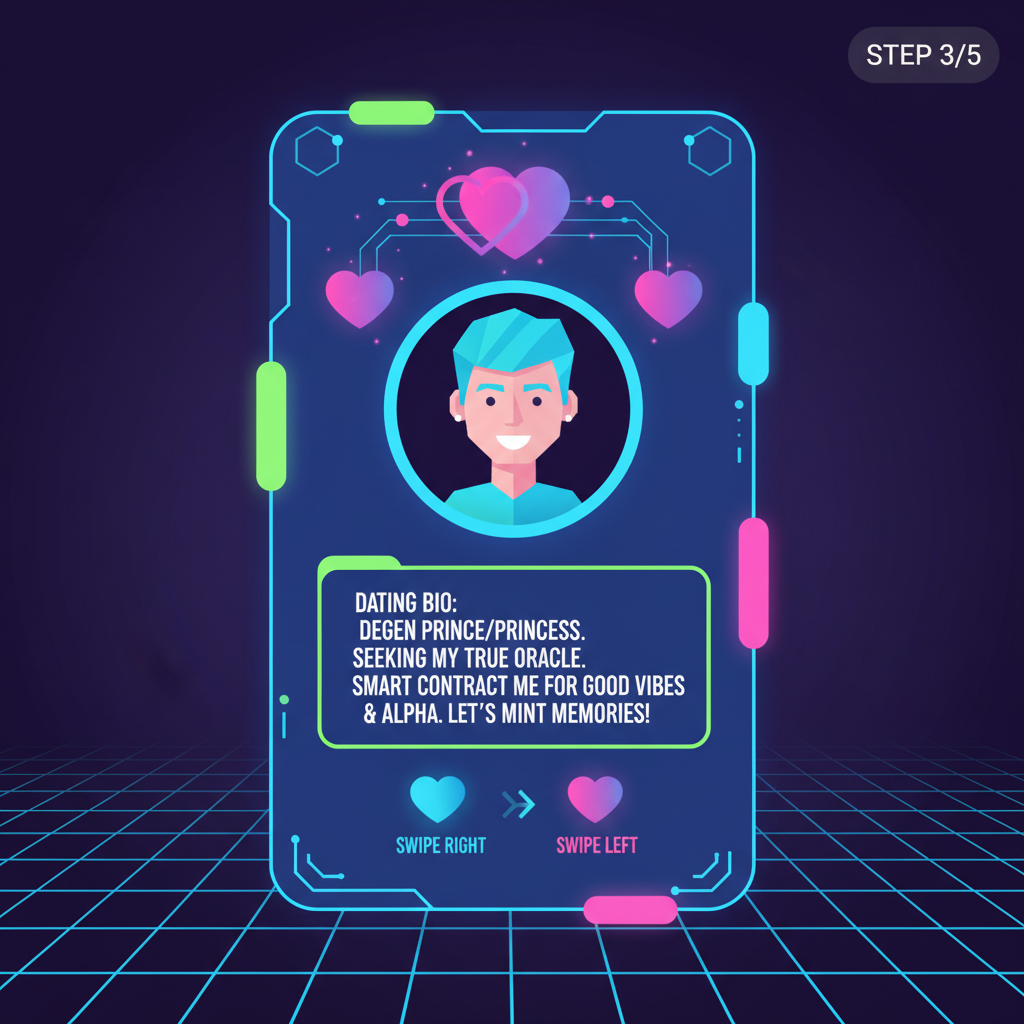
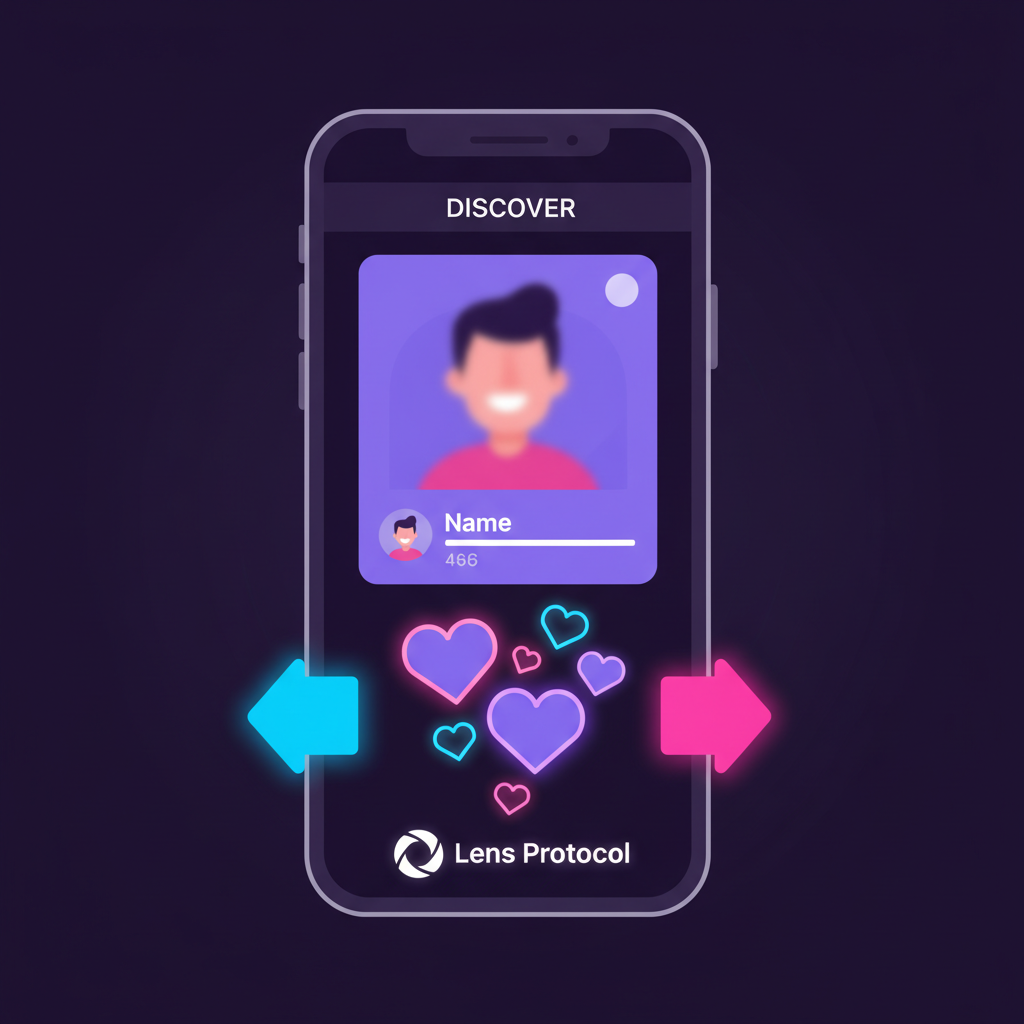
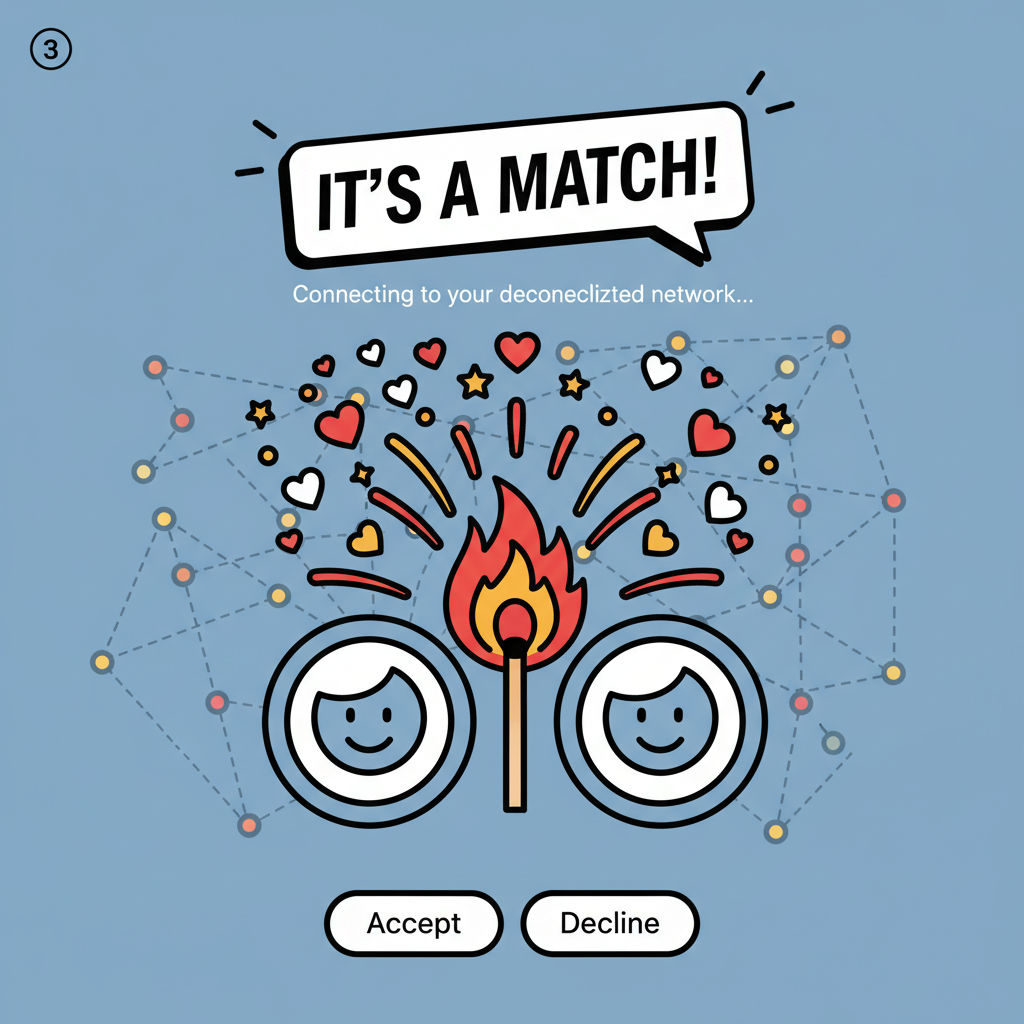
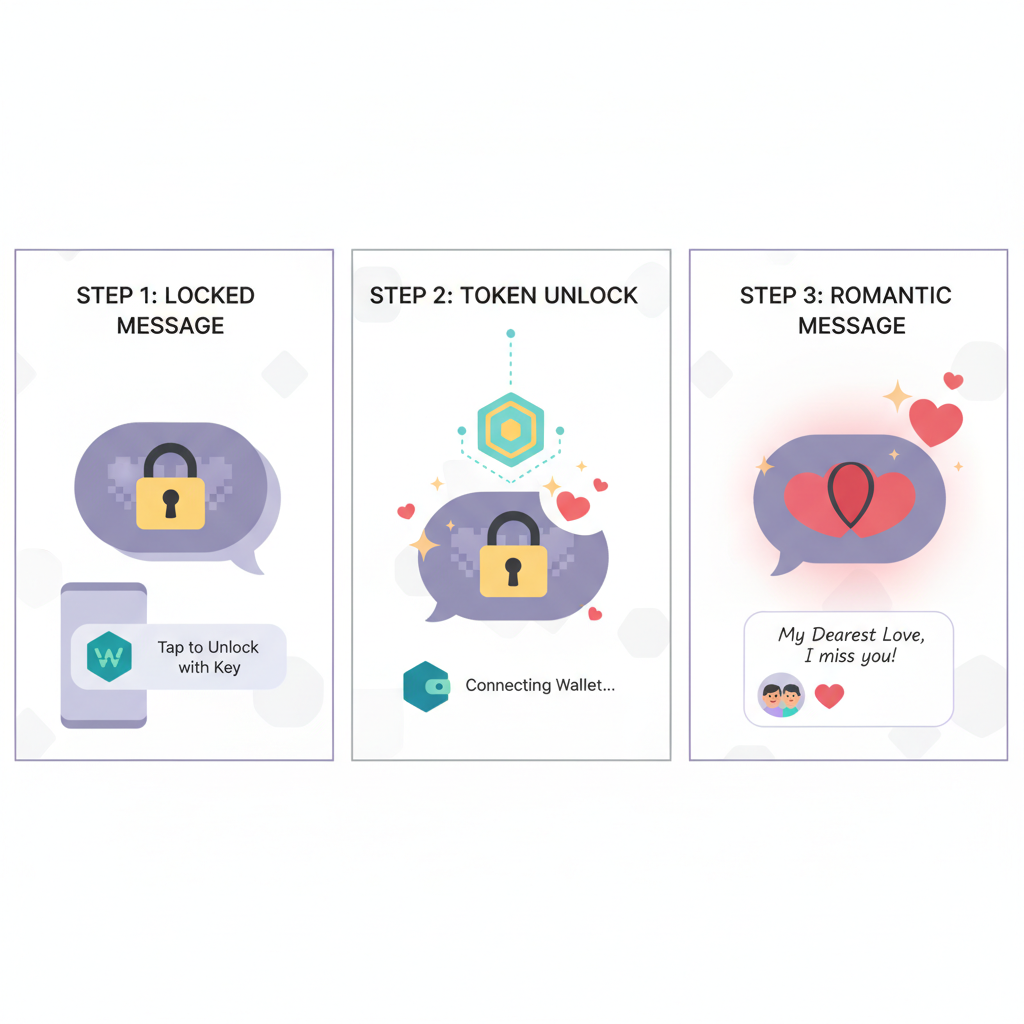

Networking Primitives: Web3’s Professional Power-Up
Professional networking craves Web3 professional networking Lens upgrades. LinkedIn who? Lens turns follows into verifiable endorsements, profiles into dynamic portfolios with embedded achievements. Primitives like skill-based follows or co-investing signals create serendipitous collabs – your graph visualizes opportunity networks in real time.
Envision decentralized social primitives Lens for gigs: post bounties as collectibles, match via algorithmic intros powered by past interactions. Lens Spring Hackathon showcased coordination games for DAOs, prediction markets for trends – networking evolves into active asset building. No more cold outreach; your on-chain rep does the talking. BlockEden’s Open Actions enable one-tap collabs, minting joint NFTs on handshake. This is career acceleration on steroids.
Shatter the Clone Curse: Developer Playbook for 2026 Wins
Innovation demands ditching Twitter echoes for hybrid primitives. Gaming adds dopamine loops, dating injects intimacy, networking fuels utility – stack them for killer apps. Lens. xyz urges SocialFi builds; Farcaster’s $2.4B tussle shows composability wins. Bluesky’s AT ecosystem thrives on niche apps – Lens must follow.
Lens Protocol developer challenges persist: high usability bars per alive_eth, but primitives lower them. Start small: remix Open Actions for polls into game bets, feeds into matchmakers. Dapp-world courses and hackathons arm you. Phaver’s share-to-earn proves monetization sticks; layer primitives for flywheels.
The data screams pivot: clones cap at iteration, primitives scale virality. 2026 favors bold – gaming arenas where follows fight, dating realms owning hearts, networks minting futures. Lens launched as graph liberator; now deliver experiences Web2 dreams of. Devs, your move: build beyond timelines, ignite primitives, claim the decentralized throne.
About the Author