

Picture this: you're a dev itching to build the next big social app, but you want users to actually own their data, not hand it over to some corporate overlord. Enter Lens Protocol, the decentralized powerhouse that's flipping the script on social media. Launched back in 2022 on Polygon, its Lens Protocol modular architecture hands developers a toolkit of decentralized social primitives to craft everything from feeds to full-blown networks. Yet, fire up most Lens frontends, and bam - you're staring at Twitter-style timelines, not slick Instagram grids. Why the skew? Let's unpack this tactical mismatch in Web3 social frontend innovation.
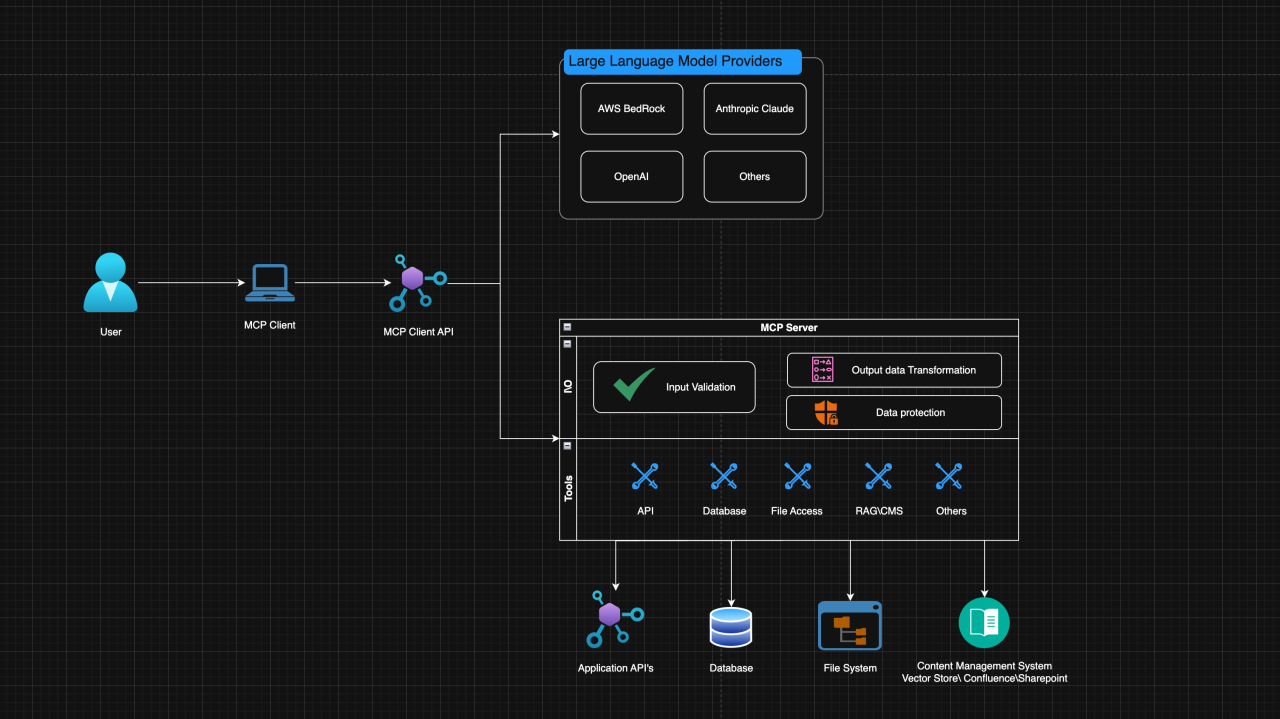
Lens isn't just another blockchain gimmick; it's a composable social graph where your profile lives as an NFT, your posts are portable assets, and everything snaps together like Lego bricks. No more siloed empires like Twitter or Instagram - post once, and it ripples across apps built on Lens. But here's the kicker: while the protocol screams flexibility, frontends cluster around Lens vs Twitter feeds aesthetics. Lenster (rebranded Hey) nails that rapid-fire text scroll, while Orb experiments with visual vibes. So why do devs default to tweets over pics?
The Primitives That Make Lens Tick
At its core, Lens dishes out primitives for follows, profiles, publications, and reactions - all EVM-compatible and Polygon-deployed for cheap, fast action. Want to add social layers to your DeFi app? Boom, plug in. Building a standalone feed? Same stack. This modularity means no reinventing the wheel; grab a profile module, bolt on posts, and you're live. David Silverman, Lens co-founder, hammered this home in chats: it's about primitives that scale, not rigid platforms.
Think Hashnode devs posting cat videos - on Web3, one Lens post serves Twitter and Insta clones alike, no duplicates. GitHub's awesome-lens list overflows with tools, from GraphQL APIs to thirdweb integrations. Jarrod Watts' YouTube guide? Straight fire for spinning up Next. js apps with Tanstack Query. It's tactical gold: low gas, high composability. But this freedom exposes a dev trap - starting simple with text.
Modular Magic Meets Real-World Friction
Dive deeper into the Lens Protocol modular architecture, and you'll see why it's primed for chaos in the best way. Profiles as NFTs? Users own 'em, trade 'em, port 'em. Publications? Modular blasts of text, images, videos - whatever. Follow modules track connections on-chain. Chainstack calls it a "decentralized and composable social graph, " letting you remix social without VC overlords. Outlier Ventures nods to Lens and Farcaster riding Web3 waves for true ownership.
Farcaster: The “Crypto Twitter” Redefining the Social Web Imagine a version of Twitter that you actually own. No hidden algorithms. No corporate gatekeepers. And every post you make lives onchain, fully under your control. That is Farcaster, the fast-growing social protocol that is becoming the new home for crypto-native builders, thinkers, and communities. What Exactly Is Farcaster? People often call it “Crypto Twitter,” but that description does not capture what it really is. Farcaster is not just another social app. It is an open protocol built on the blockchain, designed for anyone to build on top of. It is a truly open and permissionless social network where your identity and data belong to you, not the platform. Its cofounder, Dan Romero (@dwr), continues to push the limits of what social onchain can become. With mini-apps and tools such as Clanker, users can now take onchain actions directly from their social feed. They can create a token wishlist like $WISH or execute a cross-chain swap in seconds. “Cross-chain swaps on Farcaster are super fast,” Romero says. That line captures the spirit of the platform perfectly. Farcaster is not only a place to talk. It is a place to build, transact, and experiment. “Twitter with an Ethereum Soul” Futurist and investor Balaji Srinivasan (@balajis) describes Farcaster as “Twitter with an Ethereum soul.” To him, it represents the rebirth of social media: open infrastructure, user-owned data, and communities that grow organically. In the fragmented world that followed Twitter’s decline, Balaji sees Farcaster as the social layer of Ethereum, a decentralized home for crypto-native interaction and innovation. More Than Just an App From the venture capital side, Chris Dixon (@cdixon) of a16z Crypto believes Farcaster is something much larger. “The community is far better than on Twitter,” he says. For Dixon, Farcaster captures the true spirit of the new internet: read, write, own. It is a space where builders can create freely without being limited by centralized platforms or corporate control. Vitalik’s View: More Structure, Less Noise Ethereum’s founder, Vitalik Buterin (@VitalikButerin), has also praised Farcaster for its design and innovation. He highlights Channels, themed community spaces that make Farcaster more organized, less spam-filled, and deeply community-driven. “Farcaster and Lens will not be deserted,” Vitalik predicts, confident that decentralized social networks are here to stay. He sees this as more than a social experiment. It is the foundation for the next era of online communities. A Playground for Builders, AI, and Crypto Linda Xie (@ljxie), one of Farcaster’s strongest advocates, often emphasizes the freedom the ecosystem provides. There are no rate limits, no restrictions, and no permissions required. Anyone can build. With Frames v2 and new mini-app integrations, Farcaster has become a playground where artificial intelligence, crypto, and social interaction come together. It is a place that encourages experimentation, curiosity, and creativity. Reaching Escape Velocity As DCinvestor put it, “Farcaster has a path to escape velocity.” Farcaster is not trying to be a copy of Twitter. It is creating something entirely new. A social laboratory for the future, where posts can act as smart contracts, conversations can trigger onchain actions, and every user truly owns their voice and their data. The Future of Social Belongs Onchain Farcaster proves that the future of social media does not have to be controlled by big technology companies. It can belong to the communities who use it, build on it, and believe in it. It is not only about sharing ideas. It is about owning them in a world that is open, transparent, and built to last. Farcaster is not here to replace Twitter. It is here to reinvent the internet.
Yet, modularity cuts both ways. Instagram-style apps demand heavy lifting: image grids, stories, algorithms crunching visuals. Twitter feeds? Punch in text posts, mirrors, likes - primitives map 1: 1. Early Lens adopters, per Medium's Web3 Medic, craved creator control, but text-first interactions won out. ETHGlobal builds show full-stack social in hours, text-heavy. It's not a bug; it's momentum. Devs know Twitter UX cold - familiar, quick to prototype, viral-ready.
Text Triumphs: Developer Habits and User Pull
Let's get tactical on the dominance. Factor one: text-centric design. Lens kicked off with short-form posts aligning Twitter vibes. Images? Supported, but parsing media grids scales complexity. Devs eyeball Hey's clean timelines - battle-tested for engagement. Orb pushes Insta boundaries, but it's outlier status quo.
Two: developer familiarity. Crypto crews cut teeth on Discord, Twitter - text rules hacker news. Building Instagram on Lens Protocol? Custom carousels, filters, infinite scroll eating cycles. Twitter clone? Clone proven stacks, ship fast, iterate. Awesome-lens GitHub brims with text-focused libs.
Three: raw user demand. Web3 pioneers skew trader, dev crowds - quippy takes over selfies. Early metrics? Text drives follows, reactions. Lens. xyz pitches primitives for any onchain app; frontends chase retention with what's sticky now.
Four: the raw power of modular flexibility itself. Lens Protocol's toolkit shines brightest when snapping together basics - text posts via publications module, follows for timelines, reactions for juice. Bolt on an image? Sure, but curating grids, optimizing media, handling ephemeral stories? That's custom sorcery atop primitives. Devs grab low-hanging fruit: deploy a Hey clone in days, watch users flock. Instagram on Lens Protocol demands wrestling video embeds, carousel logic, visual search - friction city. No wonder Twitter feeds own the real estate.
Why Twitter Feeds Dominate Lens
- Lightning-Fast Prototyping: Build a Hey-style feed in days using Lens primitives – text posts are a breeze vs media-heavy Orb apps.
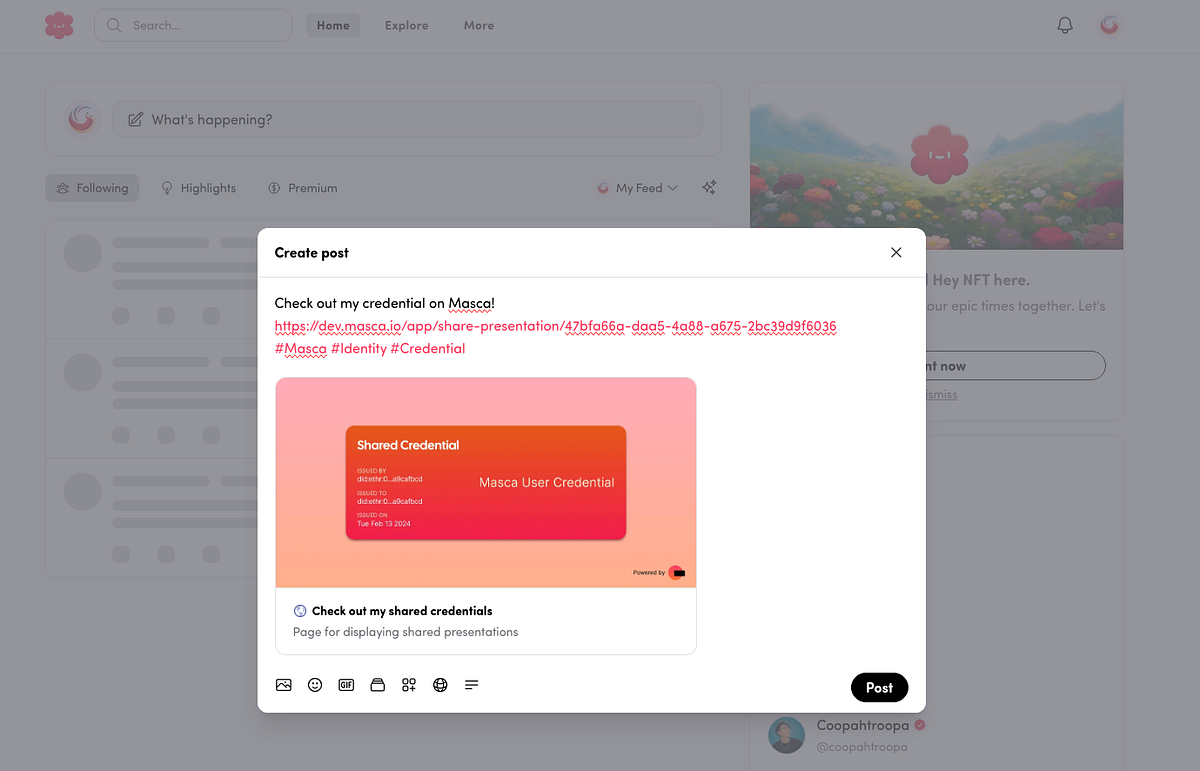
- Dirt-Cheap Gas Costs: Text tweets on Polygon cost pennies, while Instagram-style media uploads rack up fees fast.
- Explosive Text Engagement: Short posts drive viral chats & replies – media UX lags in quick-hit dopamine hits.
- Custom Algo Magic: Tweak feeds easily with Lens modules for hyper-personalized Twitter vibes, tough for visual grids.
- Scaling Without the Pain: Text scales effortlessly on Lens; media apps battle storage, bandwidth & on-chain bloat.
This isn't destiny; it's phase one tactics. Web3 social frontend innovation thrives on iteration. Picture Hey's text firehose racking reactions while Orb tests photo feeds - both valid plays on the same graph. Lens. xyz screams 'use modular primitives to build, earn, scale. ' Early wins cement Twitter mimicry, but primitives evolve: richer media modules, collect modules for NFTs, even mirrors for viral spread. GitHub's awesome-lens repo lists libs accelerating visuals - GraphQL for feeds, thirdweb for wallets. Devs who respect the risk pivot next.
Friction Points: Why Visuals Lag in the Lens Arena
Get gritty: Instagram-style demands more than primitives. Grids? Infinite scroll chews bandwidth on Polygon, spikes gas for mobile users. Algorithms? Web2 trains on pics; Lens devs hack on-chain signals, favoring text velocity. User pull skews alpha-chasers dropping hot takes on DeFi pumps, not sunset selfies. Per Chainstack, Lens is your social graph Lego set - but stacking image towers takes blueprints Twitter skips. ETHGlobal hacks prove it: full-stack text apps in hackathon sprints, visual experiments fizzle post-demo.
Developer habits die hard. Crypto Twitter veterans clone what converts: short bursts, threads, polls. Quora devs? Nah, we're threading narratives on Lens now. Web3 Galaxy Brain pods with David Silverman unpack motivations - primitives for EVM portability, not pixel-perfect UIs. Hashnode contrasts Web2 drudgery: one Lens post, infinite frontends. Tactical edge? Ship text MVP, layer visuals later. Momentum respects risk - overbuild visuals early, burn runway.
Twitter-style Feeds vs. Instagram-style Apps on Lens Protocol
| Criteria | Twitter-style Feeds | Instagram-style Apps |
|---|---|---|
| Development Complexity | Simple GraphQL queries 🚀 | Multi-module visuals & media handling 🔧 |
| Time to MVP | Ship text posts fast ⚡ | Layer media & visuals later ⏳ |
| Runway Risk | Low 💰 | High 📈 |
| Real-world Examples | Lenster (Hey), Farcaster-like | Orb, experimental UIs |
Outlier Ventures charts the rise: Farcaster, Lens shoulder Web3 primitives for ownership revolutions. Medium's Web3 Medic peers into futures where creators monetize graphs directly. But today's battlefield favors text triumphs. Orb's Insta push? Niche gem, proving protocol muscle. Lenster-to-Hey evolution? Twitter 2.0 on steroids, NFT profiles included.
Momentum Shift: Visual Explosion Looms
Flip the script: ecosystem maturity flips the skew. As Lens primitives beef up - video modules, AR filters via plugins - Instagram clones swarm. User bases swell beyond traders; creators crave visual turf. Demand surges for Lens vs Twitter feeds alternatives. Devs eye Orb's playbook: media-optimized queries, lazy-loaded grids, on-chain curation. Gas optimizations on Polygon L2s slash costs. Awesome-lens tools multiply: UI kits for carousels, story protocols.
Tactical play? Ride text waves now, but scout visual alpha. Protocol's composability ensures no dead ends - port your Twitter grind to Insta vibes seamlessly. Early movers like Hey bank engagement; late visual sharks snag creator economies. Web3 social primitives democratize this: no gatekeepers, pure iteration. Lens Protocol modular architecture sets the trap - infinite remixes, Twitter today, TikTok tomorrow.
Bottom line: default Twitter feeds nail short-term velocity, but Lens's graph hungers for diversity. Devs, grab primitives, prototype wild. Users, demand pics. The frontend revolution accelerates - decentralized social media hits escape velocity, one module at a time. Ride the primitives, own the future.




No comments yet. Be the first to share your thoughts!