

Farcaster's Hubs form the backbone of scalable decentralized social apps, handling off-chain storage and peer-to-peer sync without choking under load. Picture a network of vigilant nodes, each mirroring the full state like synchronized trading floors in a global market. Developers tap this for farcaster hubs tutorial power: read casts, fetch user data, submit messages, all while scaling effortlessly as adoption surges.
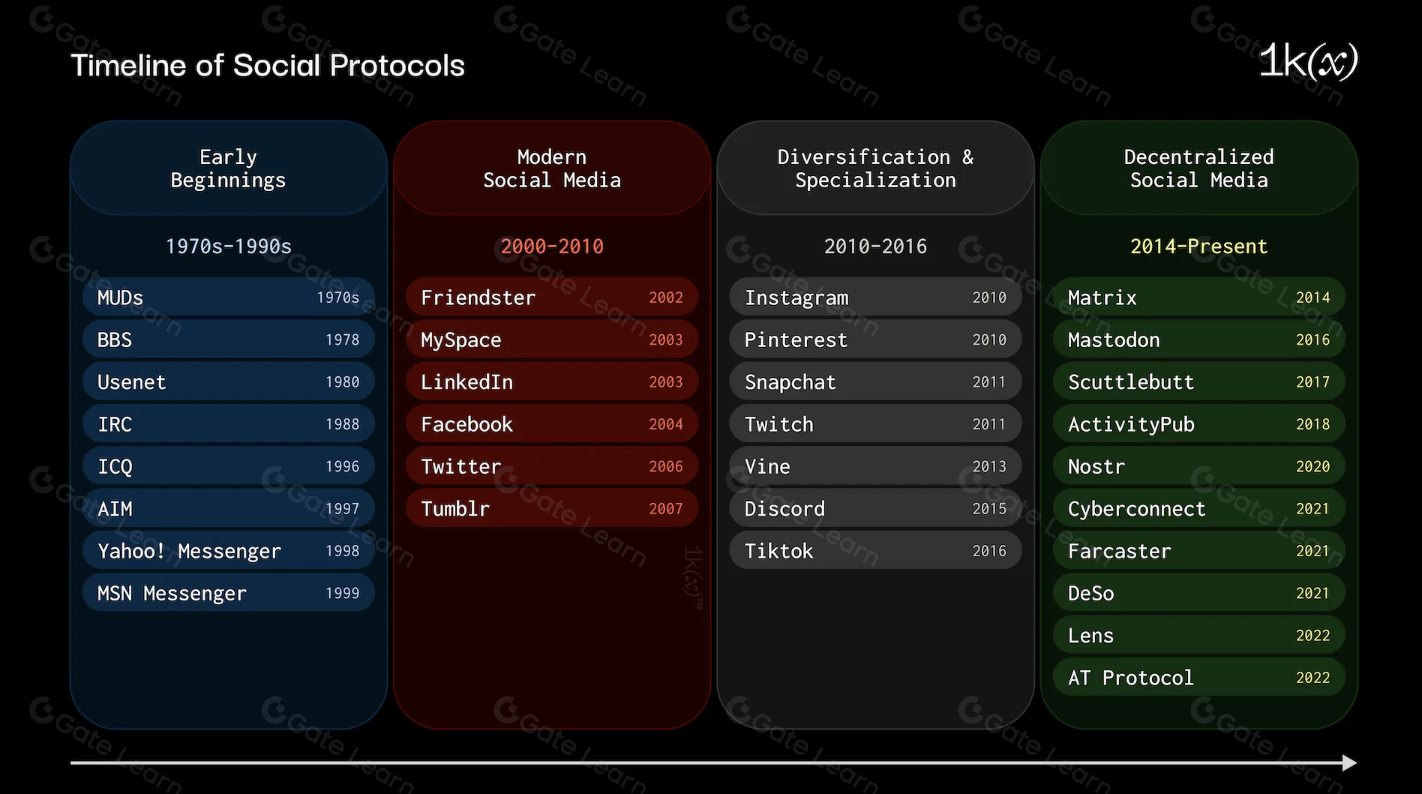
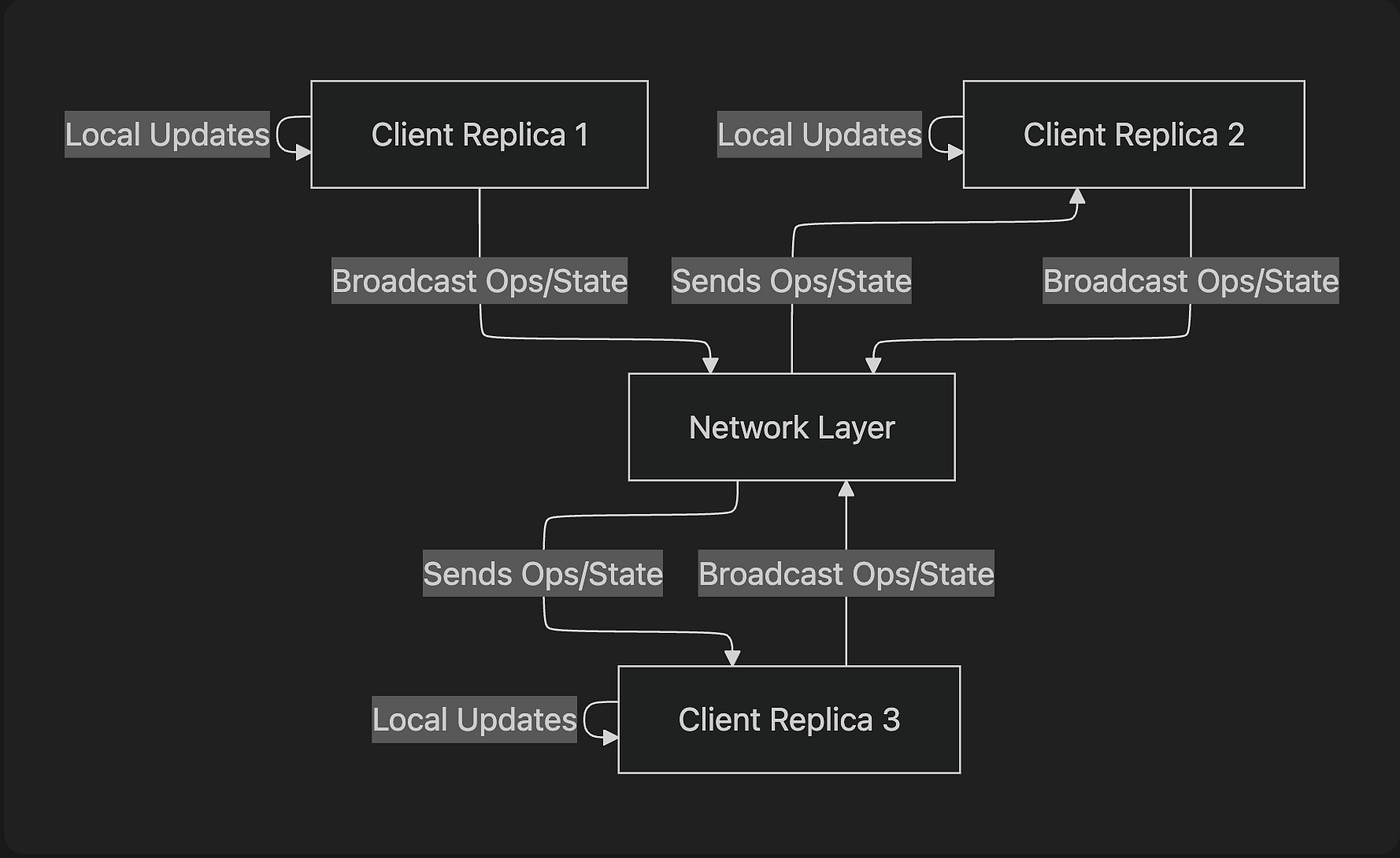
These distributed servers validate and replicate content, dodging central bottlenecks. No sharding means every Hub holds the complete dataset, synced via libp2p gossip and CRDT consensus. It's battle-tested for farcaster scalability, keeping apps responsive even as user activity explodes.
Hub Architecture: Visualizing the Decentralized Backbone
Envision Hubs as interconnected chart patterns in a vast candlestick formation. Each node processes messages, resolves conflicts through conflict-free replicated data types, and gossips updates network-wide. This setup sidesteps blockchain bloat, offloading social feeds to efficient P2P. From the GitHub discussions on scaling Farcaster, hubs store all state sans shards, ensuring developers build on a reliable global canvas.
In practice, Hubs shine for apps needing real-time feeds. A client app queries one Hub, gets fresh data propagated from others. Want viral mini-apps? Hubs handle the sync, letting you focus on UX. Resources like Neynar's APIs layer friendly abstractions over raw Hub RPCs, but direct access unlocks full control.
Farcaster's decentralized global state keeps platforms open and reliable for builders chasing scalability.
This visual reliability draws devs from Web2 traps, where single servers crumble under traffic. Hubs distribute the load, mirroring Ethereum's node model but optimized for social throughput.
Bootstrapping Your Hub Connection: Actionable Setup
Jump in with the @farcaster/hub-nodejs package. It's a lean TypeScript wrapper for Node. js, packing protobuf serialization, signing, and RPC calls. No fluff, just direct Hub dialogue.
Run npm init -y and and npm i @farcaster/hub-nodejs, then spin up a client:
- Import HubClient from the package.
- Point to a public Hub URL, like those listed in Farcaster docs.
- Connect asynchronously, handling errors with try-catch for production grit.
This gets you reading the network in seconds. Test by fetching recent casts; watch data flow like live tickers. For local dev, spin your own Hub via the monorepo on GitHub - clone, build, run. It's opinionated: full node for authenticity, lighter proxies for quick prototypes.
Pro tip: Pair with Neynar for hybrid flows. Their signup yields API keys, blending Hub depth with REST ease. But pure Hub hits hardest for custom scalability.

Core Operations: Reading Feeds and Submitting Messages
Once connected, extract value fast. Query user casts with FID (Farcaster ID), filter by timestamp or type. Hubs return protobufs; deserialize to JSON for your frontend.
Visualize queries as pattern scans: narrow to bullish signals (recent likes) or full histories. Code it direct:
- getCastsByFid(fid: number, pageOpts): Pulls threaded conversations.
- getUserData(fid): Grabs profiles, verifications.
- submitMessage(signedMessage): Pushes casts, reactions.
Signing demands a keypair. Generate via ethers. js, align with Farcaster's EIP-4361 siwe standard. Submit, and watch gossip propagate - under 10s latency in healthy networks.
For build apps on farcaster hubs, start with a feed reader. Fetch top casters, render visually with charts of engagement spikes. Scale by caching locally, querying Hubs delta-only. This off-chain storage keeps costs low, UX snappy, as user bases balloon.
Off-chain storage via Hubs crushes Web2 scaling pains, where databases buckle and APIs throttle. Developers crafting farcaster off-chain storage apps query deltas post-cache, slashing RPC hits by 80% in high-traffic scenarios. Pattern-spot this: engagement charts spike without lag, feeds refresh like tickers chasing breakouts.
Signing and Submitting: Pushing Content to the Network
Submission packs punch. Forge a CastAdd message: embed text, links, embeds. Serialize to protobuf, sign with your keypair's private key. Hub validates on receipt, gossips outward. Latency mirrors tight forex spreads - sub-second in peak hours if your Hub's synced.
Submit a CastAdd Message
Craft, sign, and launch your first cast into the Farcaster network. Copy this snippet, swap in your hub URL, FID, and signer—watch it go live.
import { CastAddBody, Hub, HubMessage, MakeCastAddBody, Signer } from '@farcaster/hub-nodejs';

async function submitCast(hubUrl: string, fid: number, signer: Signer, text: string): Promise {
  // Connect to the hub
  const hub = await Hub.fromUrl(hubUrl);

  // Craft the cast body
  const castAddBody = CastAddBody.create({
    text,
  });

  // Prepare the message to sign
  const makeCastAddBody = MakeCastAddBody.create({
    data: castAddBody,
    fid,
    timestamp: Date.now(),
  });

  // Sign the message
  const signedMessage = await signer.signMessage(makeCastAddBody);

  // Create hub message
  const hubMessage = HubMessage.createFromMessage(makeCastAddBody, signedMessage.signature);

  // Submit to hub
  const result = await hub.submitMessage(hubMessage);

  return result.isOk();
}

// Usage:
// await submitCast('https://hub.example.com', 123n, yourSigner, 'Hello Farcaster!');
Boom—your cast is submitted! Monitor the hub response for confirmation, then query it back to verify propagation across hubs.
Deserialization flips the script: Hub responses unpack into typed objects. Render casts as visual threads, parent-child links forming candlestick wicks of conversation flow. Filter reactions for sentiment scans; likes as green bars, recasts as volume surges.
Troubleshoot direct: Hubs reject invalid sigs or stale data. Wrap submits in retries, monitor sync status via getSyncStatus(). Production apps poll multiple Hubs for redundancy, failover like diversified portfolios.
Why @surgelabs Farcaster has become one of the fastest-moving hubs of opportunity within the Web3 ecosystem. In such an environment, accessing the right data at the right time is crucial. This is precisely where the $SURGE Mini App stands out as a strategic tool. $SURGE delivers real-time market and network signals directly within your Farcaster feed, helping you detect emerging trends instantly and take action without leaving the interface. This provides users with significant speed and a clear competitive advantage. In short, for anyone aiming to stay proactive and capture opportunities on Farcaster, Surge is a powerful and essential companion. I highly recommend incorporating it into your workflow to stay ahead in the ecosystem.

Scaling Deep Dive: From Prototype to Viral Load
Farcaster's no-shard design demands respect. Each Hub mirrors full state - 100GB and and climbing - synced via libp2p gossip. For farcaster scalability, run your fleet: Dockerized Hubs cluster on Kubernetes, gossip across regions. CRDTs auto-merge conflicts, no Byzantine generals drama.
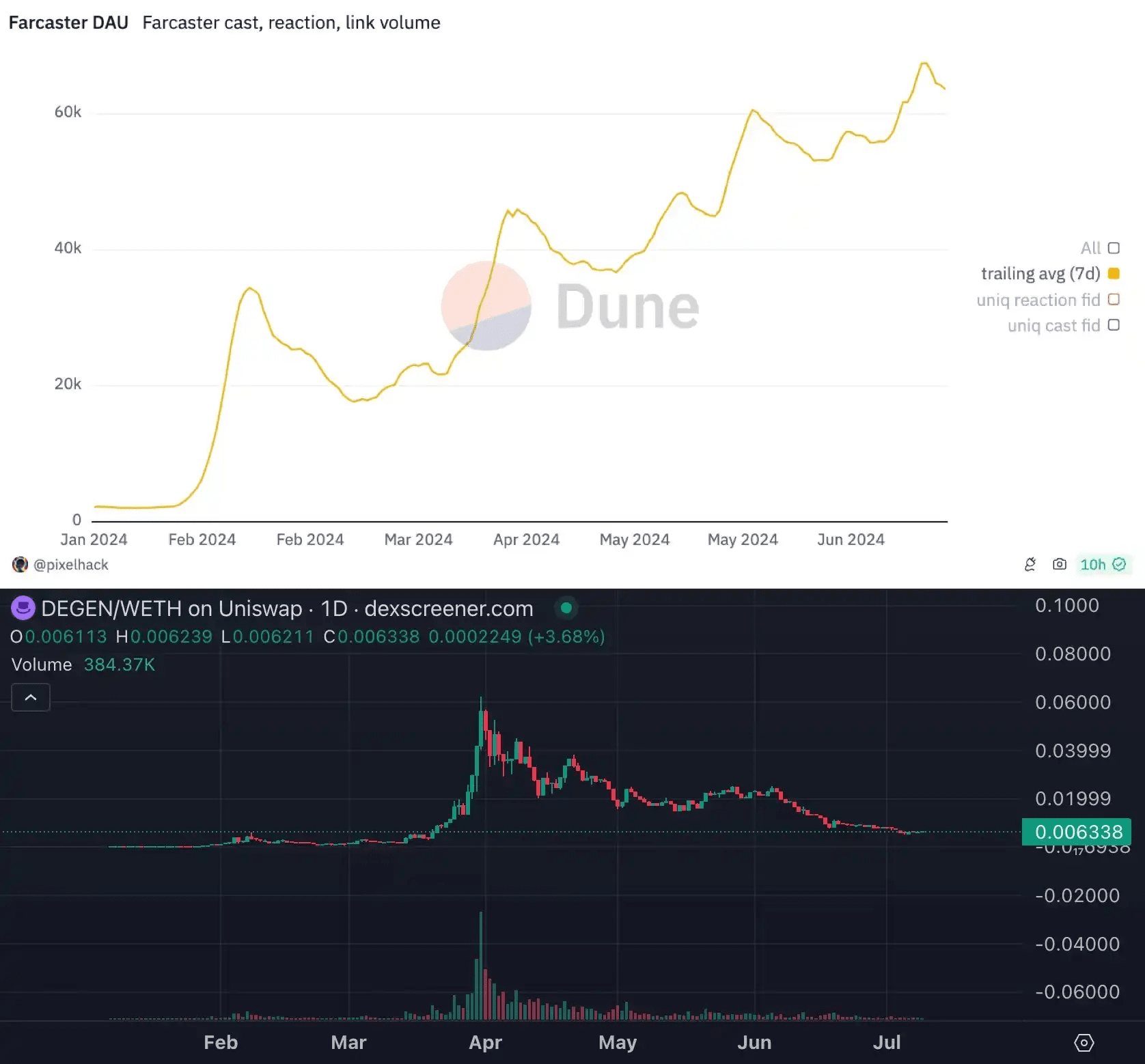
Client-side, paginate ruthlessly. Use cursor-based fetches: pageOpts with limit=25, direction forward/reverse. Cache protobufs in IndexedDB for PWAs; query Hubs only for deltas via timestamps. This setup powered viral Frames apps, handling 10k and DAUs without sweat.
Visualize bottlenecks as resistance levels. Monitor message queue depths, prune old data with retention policies. GitHub's scaling thread nails it: full-state nodes for truth, proxies for speed. Hybrid wins races.
Production Best Practices: Checklist for Bulletproof Apps
8 Best Practices for Scaling Farcaster Hubs
- Connect to Multiple Hubs: Distribute load across Hubs for redundancy and failover using @farcaster/hub-nodejs.
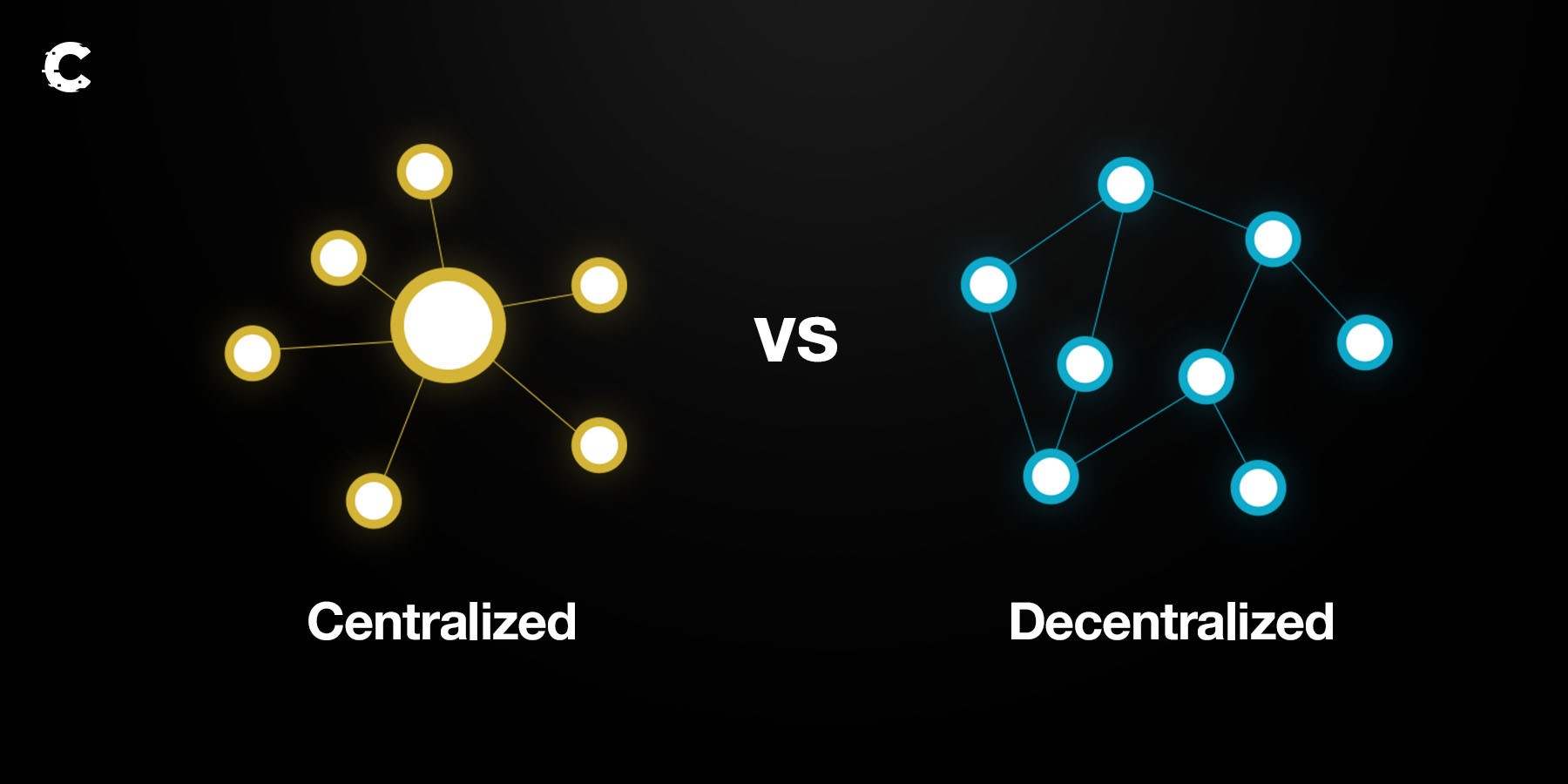
- Implement Read Caching: Cache Hub API responses (e.g., casts, user data) with Redis to cut latency.
- Optimize Signing Workflows: Use hub-nodejs for protobuf serialization and efficient message signing.
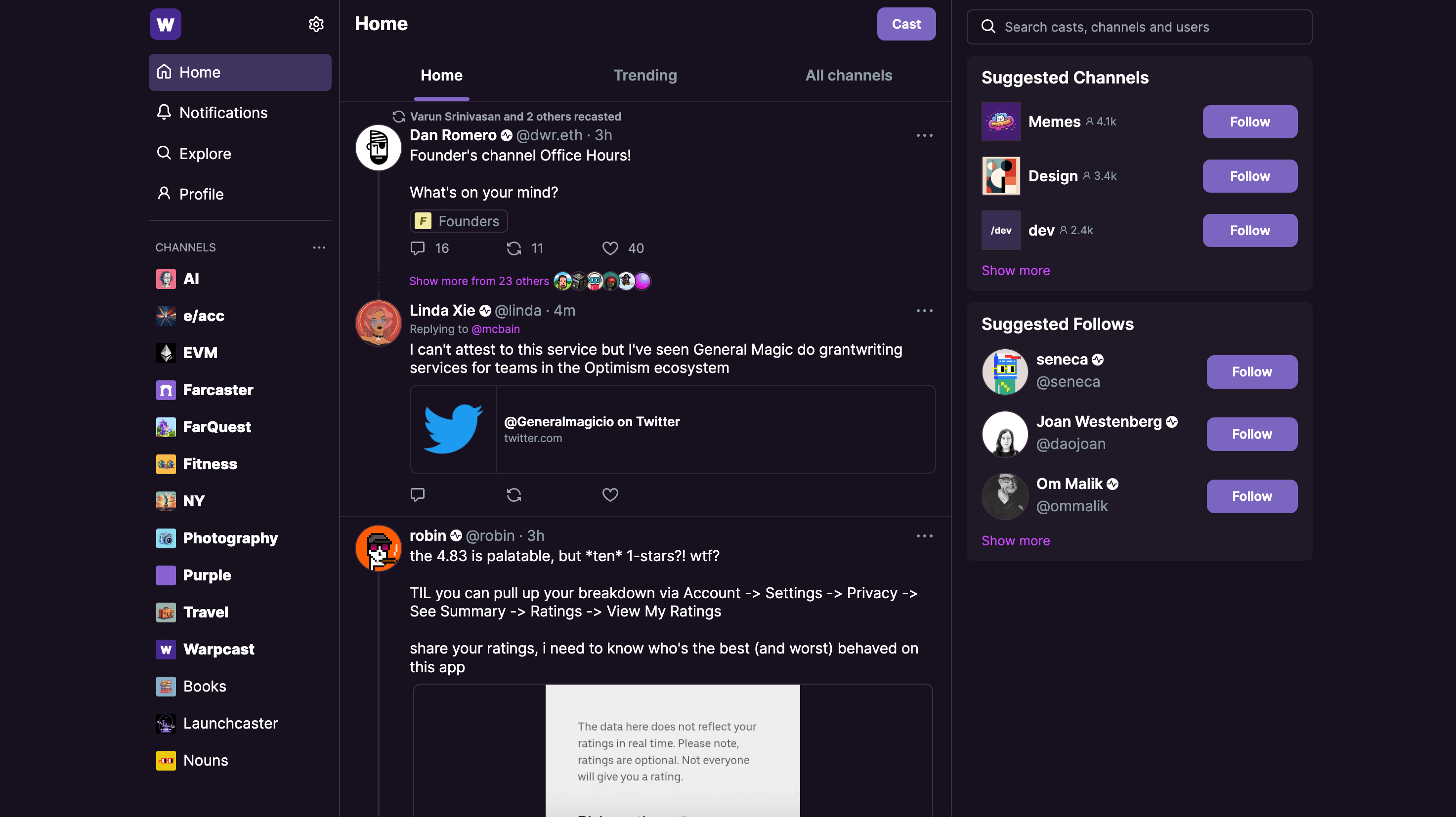
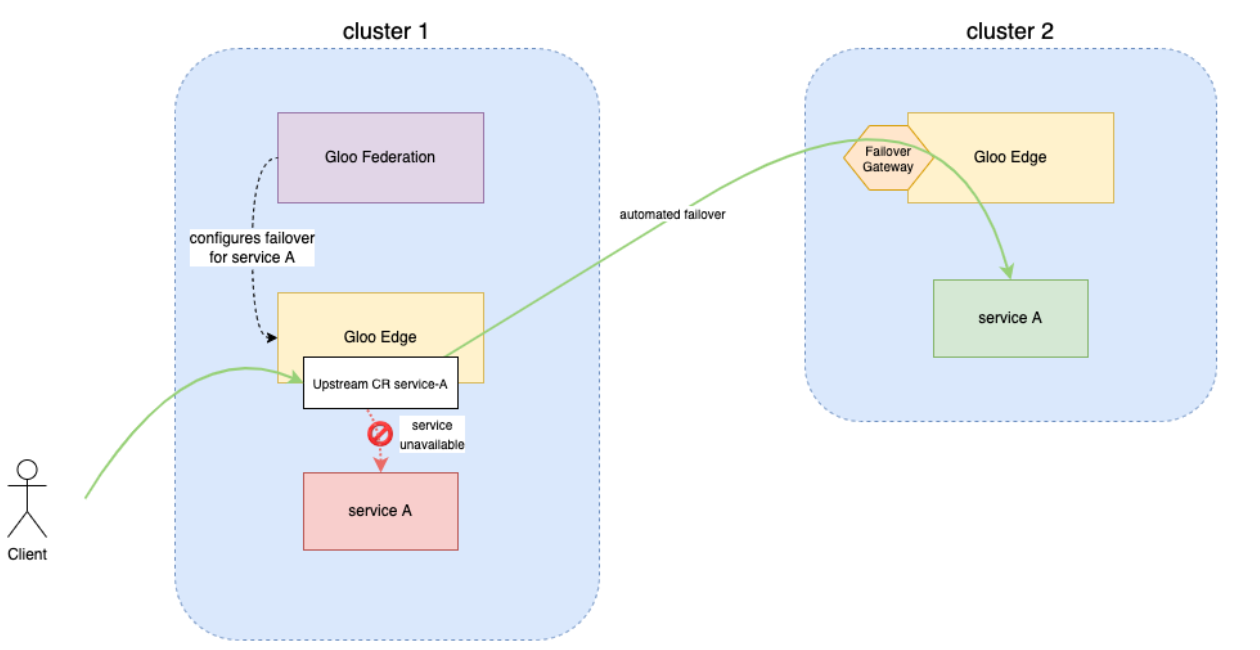
- Enable Multi-Hub Failover: Auto-switch Hubs on health check failures via libp2p status endpoints.
- Batch API Requests: Group submits and queries to minimize network roundtrips.
- Leverage Gossip Sync: Rely on libp2p gossip for efficient data replication across Hubs.
- Monitor Sync Status: Track Hub progress with Neynar APIs and custom metrics.
- Use CRDT Consensus: Ensure conflict-free state merges without sharding, per protocol specs.
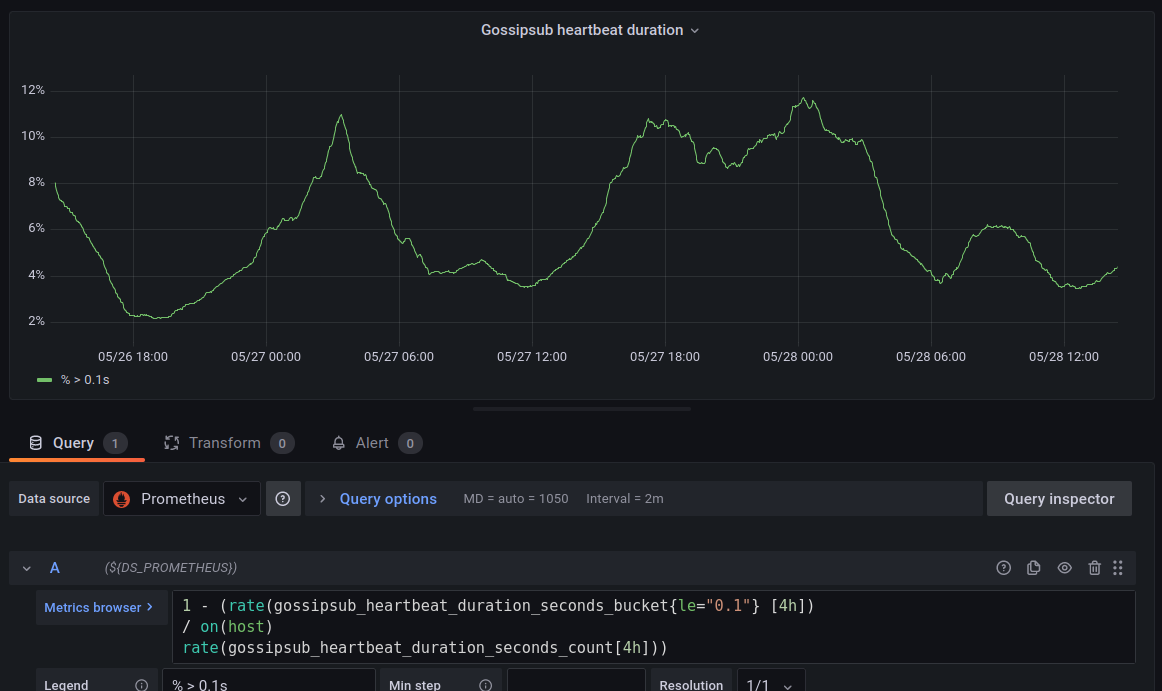
Layer in observability: Prometheus scrapes Hub metrics, Grafana dashboards chart sync lags as red flags. Authenticate via SIWE for user actions; custody keys client-side or delegate to wallets. Neynar hybrids shine here, but raw Hubs flex for custom indexes like follower graphs.
Real builds prove it. Mini-apps viral on Warpcast leverage Hubs for threaded replies, engagement heatmaps. Agents auto-post via scheduled submits, scanning trends like algo traders. Off-chain keeps gas nil, throughput infinite as nodes multiply.
Spin your Hub for sovereignty: Clone the monorepo, yarn install, docker-compose up. Expose RPCs securely, join the network. Costs? VPS at $20/month scales to millions. Podcasts like 'The Hub' unpack operator war stories - tune in for gritty visuals of node fleets conquering load.
Devs ditching central APIs find freedom here. Build threaded clients rivaling Twitter, Frames exploding UX. Hubs evolve: watch for sharding forks, but current CRDT gossip crushes it. Your next app? Connect, query, submit - watch it pattern upward.



No comments yet. Be the first to share your thoughts!