

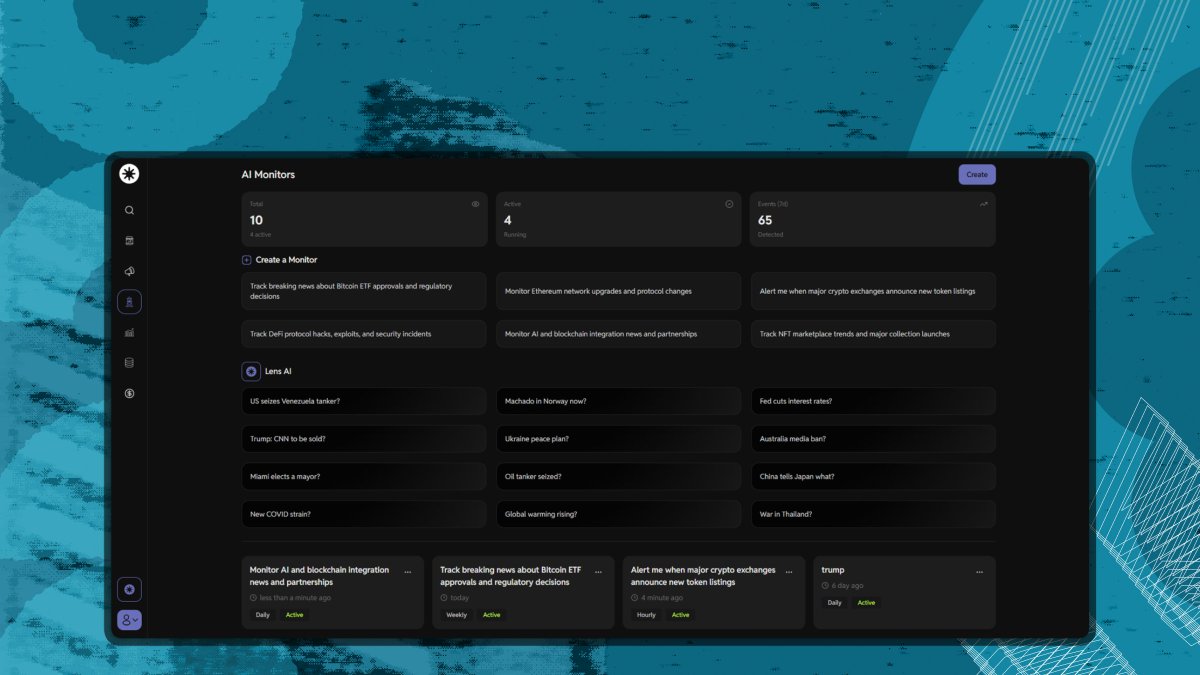
In the dynamic arena of decentralized social networks, where Farcaster and Lens Protocol vie for dominance, Lens OS stands out as a pivotal innovation. This real-time AI tool aggregates context from over 100,000 global sources, delivering tailored insights directly to users on both platforms. Imagine scrolling through Farcaster casts or Lens profiles with instant, contextual depth; Lens OS makes that possible, enhancing decision-making for developers, investors, and everyday enthusiasts in the DeSoc space.
Lens Protocol has solidified its position through strategic upgrades, including its 2025 migration from Polygon to the bespoke Lens Chain on zkSync's ZK Stack. This shift slashed gas fees to near zero and enabled fully on-chain content storage, fostering a truly modular social graph. Farcaster, meanwhile, adopted a wallet-centric model late last year to combat retention woes, integrating seamless trading and financial tools. Yet both platforms crave richer context amid exploding Web3 activity. Enter Lens OS: a bridge providing real-time AI context that amplifies user engagement without compromising decentralization.
Lens OS: Powering Smarter Interactions on Farcaster and Lens
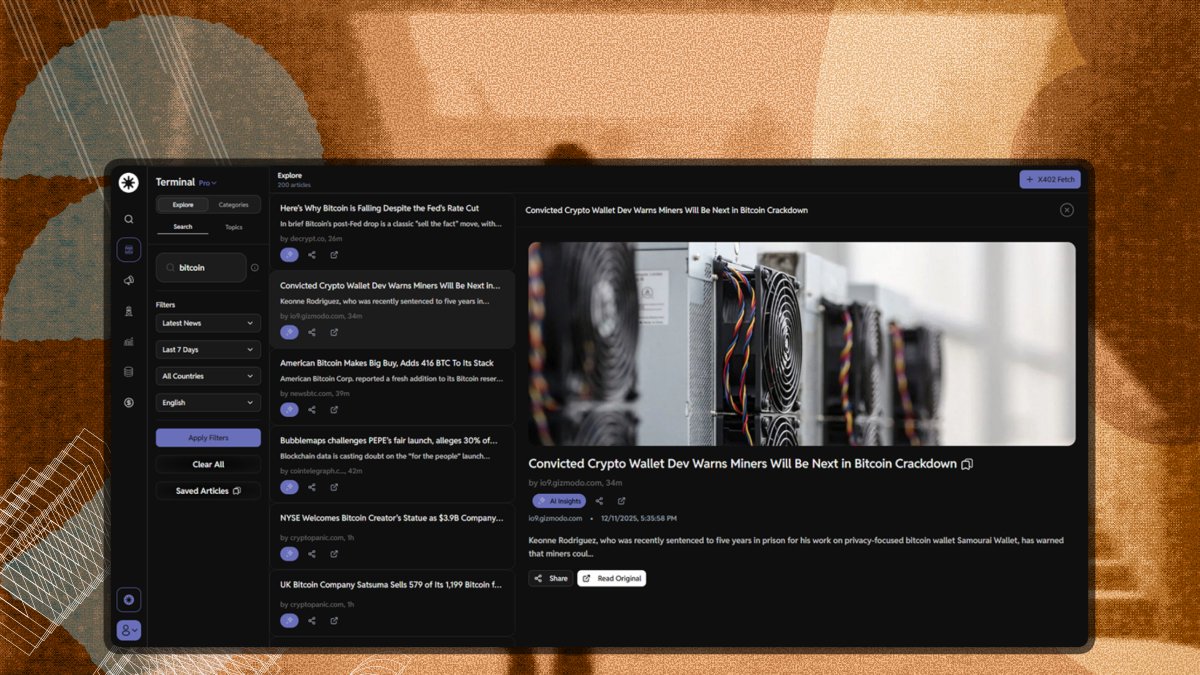
Lens OS leverages advanced AI to scan global feeds, market data, and protocol updates, synthesizing them into actionable nuggets for users. For Farcaster powerframes or Lens NFT profiles, it surfaces relevant news, sentiment analysis, and trend forecasts on the spot. This isn't mere aggregation; it's intelligent curation, drawing from sources like recent comparisons highlighting Lens's monetization edge via NFT royalties and data portability over Farcaster's speculative features.
Consider the current market snapshot: FAR Labs (FAR) trades at $0.000924, up $0.000040 or and 0.0421% in the last 24 hours, with a high of $0.000939 and low of $0.000885. Such granular data, when contextualized by Lens OS, helps users gauge protocol health instantly. Developers building on Lens's API, for instance, gain insights into dApp trends from tools like Momoka for scalability or FollowNFT utilities offering rarity rankings and voting rights.
What sets Lens OS apart is its seamless integration. On Lens, where every post and profile is an NFT, the AI pulls portability-focused intel, alerting users to cross-app opportunities. Farcaster users benefit from enhanced Frames and channels analysis, countering Warpcast's dynamic UX with deeper, AI-driven layers. This positions Lens OS as essential for Lens Protocol AI news and decentralized social AI context, outpacing static tools.
Strategic Shifts Fueling the DeSoc Race
Farcaster's wallet pivot addresses past retention challenges, embedding financial utilities to retain users amid volatile engagement. Lens, however, prioritizes infrastructure; its Lens Chain migration preserved all Polygon data, ensuring unbroken social graphs. Reports underscore this: BuidlerDAO and SevenX analyses spotlight Lens's communication tools, while comparisons favor its modular contracts for future-proofing. Lens OS amplifies these strengths by feeding real-time data from 100,000 sources, including Substack insights on network effects and YouTube guides on Lens APIs.

Critics might argue Farcaster's Frames offer snappier engagement, yet Lens OS levels the field with predictive analytics. It deciphers market sentiments, like FAR's steady hover around $0.000924, signaling resilience in the ecosystem. For investors, this means spotting undervalued assets early; for builders, it's a radar for protocol evolutions.
Unlocking Global Insights for Web3 Builders
At its core, Lens OS targets the builder community, providing real-time Web3 news tools tailored to Farcaster and Lens. Picture querying a Lens profile and instantly receiving AI-summarized dev reports, scalability benchmarks, or monetization case studies. Sources like IQ. wiki detail FollowNFT perks, while Medium pieces debate ownership futures; Lens OS distills them into digestible, platform-native formats.
FAR Labs (FAR) Price Prediction 2027-2032
Projections based on DeSoc adoption trends, Lens Protocol's zkSync L2 migration, Farcaster's wallet pivot, and crypto market cycles. Baseline 2026 price: $0.000924
| Year | Minimum Price | Average Price | Maximum Price | YoY % Change (Avg) |
|---|---|---|---|---|
| 2027 | $0.00070 | $0.00150 | $0.00400 | +62% |
| 2028 | $0.00120 | $0.00300 | $0.00800 | +100% |
| 2029 | $0.00200 | $0.00550 | $0.01500 | +83% |
| 2030 | $0.00350 | $0.00900 | $0.02500 | +64% |
| 2031 | $0.00500 | $0.01400 | $0.04000 | +56% |
| 2032 | $0.00800 | $0.02200 | $0.06500 | +57% |
Price Prediction Summary
FAR Labs (FAR) is positioned for substantial growth amid the DeSoc boom, with Lens Protocol leading through scalable L2 infrastructure and AI integrations like Lens OS. Average prices are forecasted to rise progressively from $0.0015 in 2027 to $0.022 by 2032, reflecting bullish adoption scenarios up to 70x gains, while minimums account for bearish cycles and competition.
Key Factors Affecting FAR Labs Price
- Lens Protocol's zkSync ZK Stack L2 enabling low-cost, scalable on-chain social features
- Farcaster's wallet-centric pivot improving monetization and retention
- Rising DeSoc adoption and user-owned social graphs
- AI-driven tools like Lens OS providing real-time context from global sources
- Crypto bull cycles peaking around 2028-2029 halving
- Regulatory clarity supporting Web3 social platforms
- Intensifying Farcaster-Lens competition and ecosystem partnerships
- Broader SocialFi market cap growth and altcoin rallies
Disclaimer: Cryptocurrency price predictions are speculative and based on current market analysis. Actual prices may vary significantly due to market volatility, regulatory changes, and other factors. Always do your own research before making investment decisions.
This influx of context empowers nuanced strategies. As Chris Dixon notes, users come for tools and stay for networks; Lens OS ensures those networks pulse with intelligence. With Farcaster embracing wallets and Lens scaling via ZK tech, the AI layer becomes indispensable, hinting at a converged DeSoc future where Lens OS Farcaster synergies drive adoption.
Builders on Lens, armed with this AI edge, craft dApps that monetize through FollowNFTs and rarity-driven utilities, turning social interactions into revenue streams. Farcaster developers, meanwhile, layer Lens OS atop Frames for sentiment-boosted channels, creating hybrid experiences that retain users longer than wallet gimmicks alone. This fusion underscores a key truth: in DeSoc, raw infrastructure meets intelligent augmentation for survival.
DeSoc Battleground: Where AI Context Decides Winners
The rivalry intensifies as platforms chase network effects. Farcaster's wallet-centric pivot, while pragmatic, risks commoditizing social into trading floors; Lens's ZK-powered chain, paired with Lens OS, builds enduring graphs where data portability reigns. Recent analyses, from BlockBeats deep dives to Medium futurism, tilt toward Lens's modular edge, especially with tools like Momoka ensuring scalability. Lens OS accelerates this by surfacing Lens OS global sources in real time, from IQ. wiki's FollowNFT breakdowns to YouTube API tutorials, all contextualized for the moment you need them.
Lens OS Key Advantages
- Real-Time AI Insights: Delivers instant context from 100,000 global sources for Farcaster and Lens users, enhancing decision-making.
- Monetization Boosts: Optimizes NFT royalties and subscriptions via AI-driven recommendations on Lens Protocol's infrastructure.
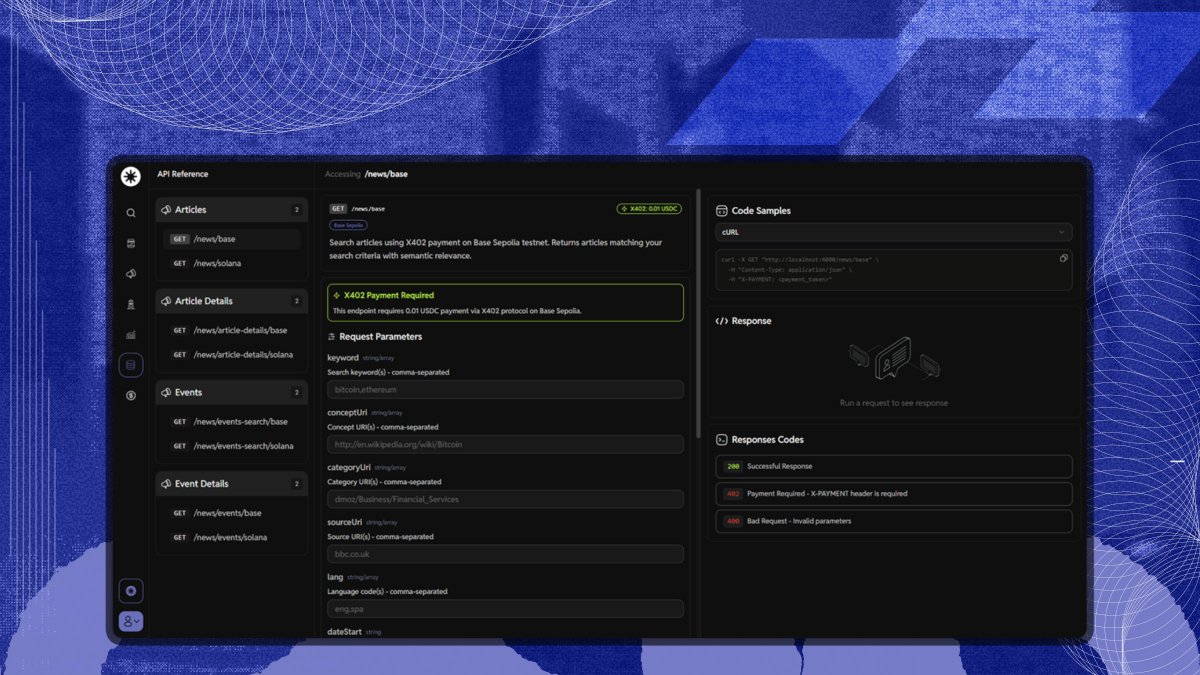
- Developer Tools: Provides APIs and modular kits for building scalable dApps on Lens Chain's zkSync L2.
- Cross-Platform Portability: Seamless data portability between Farcaster and Lens via NFT-based profiles.
- Near-Zero Gas Fees: Leverages Lens Chain migration for cost-effective, fully on-chain social features.
Investors tracking FAR Labs (FAR) at its steady $0.000924 price point, with a 24-hour gain of $0.000040 or and 0.0421%, appreciate this precision. The token's range-bound action between $0.000885 and $0.000939 mirrors ecosystem maturity, not hype. Lens OS flags such signals alongside protocol shifts, like the flawless Polygon-to-Lens Chain migration that preserved every NFT profile and post. This reliability draws capital, positioning Lens ahead in the decentralized social AI context sweepstakes.
For everyday users, the value crystallizes in daily scrolls. A Farcaster cast on DeSoc trends? Lens OS appends AI-summarized comparisons, highlighting Warpcast's UX flair against Lens's avatar tools. Lens profile dives reveal community governance via FollowNFT voting, all without leaving the feed. This real-time Web3 news tool eliminates tab-switching fatigue, fostering deeper immersion than siloed platforms ever could.
NEW: Farcaster Ecosystem for Agents One URL for your AI agents to become valuable contributors to the Farcaster ecosystem and economy with tools and knowledge that help them keep up-to-date with the latest metas, engage thoughtfully, market, and monetize. Just give this url to your AI: github.com/ZeniLabs/FarcasterForAgents I'd love for this to be a community-run project. PRs, collaborations, and opinions are all very welcome!
Builders' Arsenal: From APIs to On-Chain Mastery
Lens Protocol's developer ecosystem thrives under Lens OS's gaze. GitHub repos for Lens APIs become living resources, with AI overlays explaining modular contracts or Momoka integrations. BuidlerDAO reports gain instant relevance, sectioned by communication tools or scalability hacks. Farcaster builders experiment with wallet Frames, but Lens OS reveals gaps, like missing native monetization compared to Lens's royalty infrastructure. The result? Smarter forks, faster iterations, and protocols that adapt before trends crest.
Opinion: Farcaster's speculative bets feel dated against Lens's calculated infrastructure plays. Yet Lens OS bridges them, enabling cross-protocol experiments that could spawn the next killer app. As FAR holds $0.000924 amid micro-gains, it signals quiet confidence; volatility lovers might chase Farcaster pumps, but patient allocators bet on AI-augmented graphs. DisruptDigi's DeSoc race breakdowns reinforce this: Lens owns portability, Farcaster chases engagement, Lens OS claims context supremacy.
Enthusiasts dipping into Lens Protocol AI news via Lens OS witness evolution firsthand. Substack's network effect wisdom, Bitium's UX battles, SourceForge's tool contrasts, all converge into personalized feeds. No longer passive observers, users shape narratives, minting NFTs that carry utility across chains. Farcaster's channels pulse with enriched debates; Lens profiles evolve into dynamic hubs.
The trajectory points to symbiosis. Farcaster users adopting Lens OS wallets, Lens dApps embedding Farcaster Frames, all fueled by 100,000-source intelligence. In this Web3 social renaissance, Lens OS doesn't just inform; it ignites participation, turning protocols into thriving economies where every interaction yields insight and opportunity.



No comments yet. Be the first to share your thoughts!